photo: getty images
Russian reconnaissance satellites collected intelligence on targets in Saudi Arabia that were later attacked by Iran-backed armed groups.
The Geneva-based company AURORAH Geosignal Intelligence examined 40 missile and drone attacks carried out by Yemen’s Houthi movement and Iraqi armed groups against Saudi Arabia between July 1 and October 19, The Associated Press (AP) reports.
According to the company, Russian military and government satellites were positioned over the areas targeted in all 40 cases in the days before and after the attacks.
“We found a 100% correlation,” AURORAH founder Nawaf Obaid said.
Obaid said that, beginning in July, 11 Russian satellites from the Kosmos-2600 series concentrated on three sections of Saudi Arabia’s East-West oil pipeline.
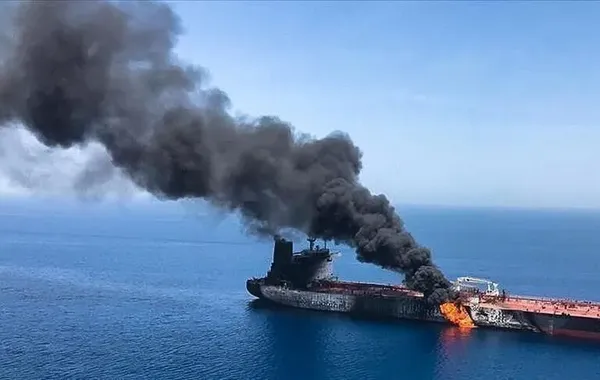
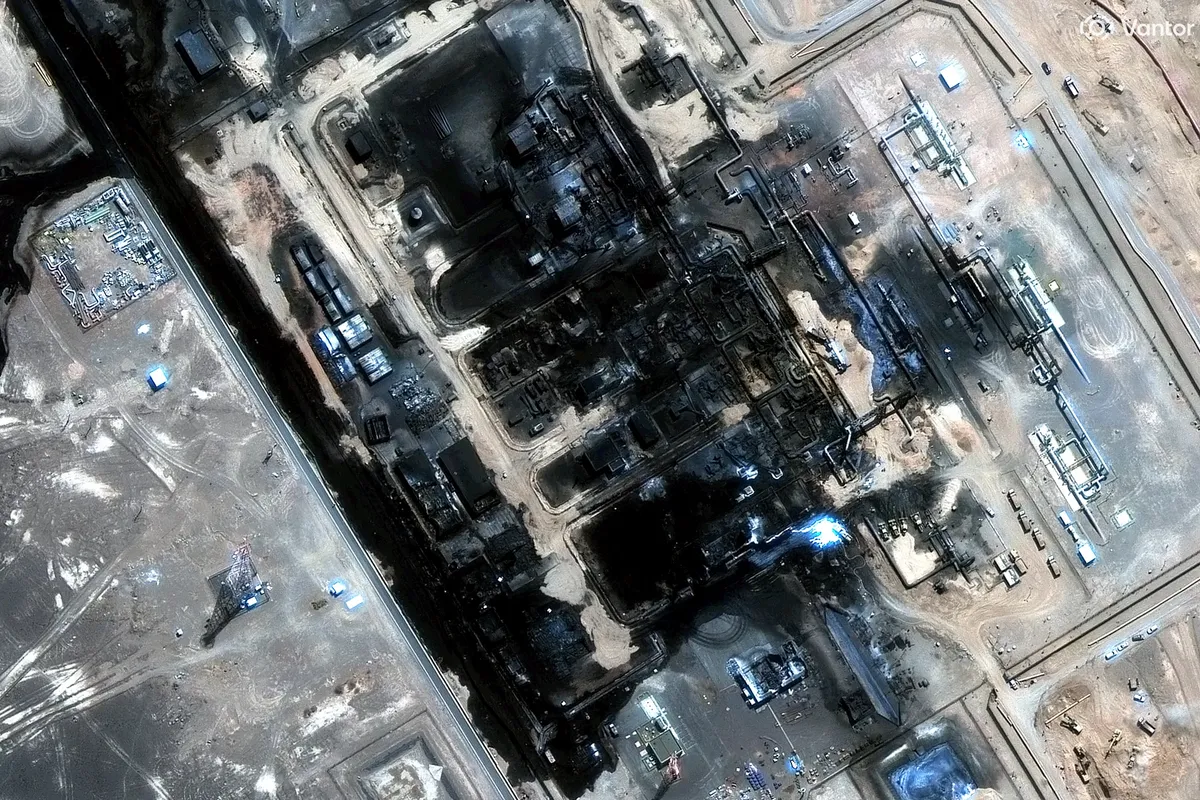
On the morning of September 10, drones launched from Iraq struck three pumping stations along the pipeline, immediately disrupting oil transportation.
The 1,200-kilometer pipeline allows Saudi Arabia to transport oil to the Red Sea while bypassing the Strait of Hormuz, a critical route for global energy supplies.
A week later, the Houthis attacked an airbase in Taif, damaging an Italian fighter jet. AURORAH reported that the number of Russian satellites positioned over the targeted areas increased by 50% before both attacks.
A source familiar with Saudi investigations said that Russian satellites had assisted the strikes on the pipeline’s pumping stations.
A senior Houthi leader also said that Iranian advisers in Yemen provided fighters with targeting information based on Russian satellite intelligence.
AURORAH acknowledged that it had not intercepted any direct transmission of satellite intelligence to the armed groups. Its conclusions are based on satellite movements and their presence over the locations subsequently attacked.
The reported findings therefore suggest a possible link between Russian satellite activity and the strikes, but do not independently establish that Russia directly supplied targeting data to the groups.
Obaid served as an adviser to Saudi authorities from 2004 to 2016.
Share on social media