Photo credit: thetimes.com
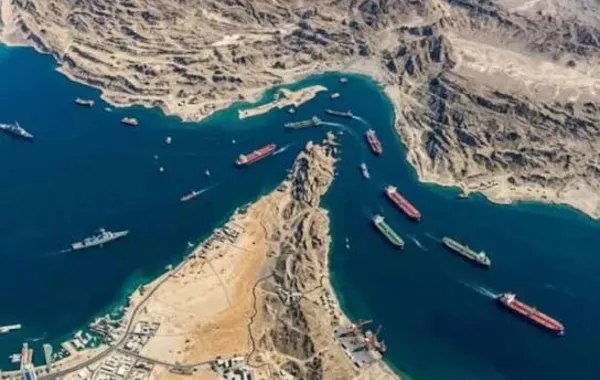
"Exports through the Strait of Hormuz have almost come to a halt and there is evidence of significant damage to energy production and refining infrastructure," Panetta said as he presented the central bank's accounts for 2025, The Caspian Post reports, citing foreign media.
"Even in the event of a rapid ceasefire, a return to orderly conditions in the energy market would take some time" The governor said the conflict in the Middle East has "abruptly changed the outlook" for growth and inflation for Italy and the eurozone as a whole.
"Financial markets have reacted with higher yields and risk premia, falling equity prices and a weaker euro," he said.
"Short-term inflation and policy rate expectations have been revised upwards.
"Uncertainty and tighter financial conditions have rekindled fears of a deterioration in credit standards.
"Monetary policy is again facing a negative supply shock amid high uncertainty, as was the case in 2022, in the aftermath of Russia's invasion of Ukraine.
"According to the ECB's recent projections, inflation will be above target in 2026, before easing gradually next year, and economic growth will be lower than previously estimated.
"If the energy shock were to be stronger and more persistent than in the baseline scenario, inflation would rise further, while growth would be weaker".
Share on social media