Hormuz Crisis Deepens as Iran Sets Conditions for Strait’s Reopening
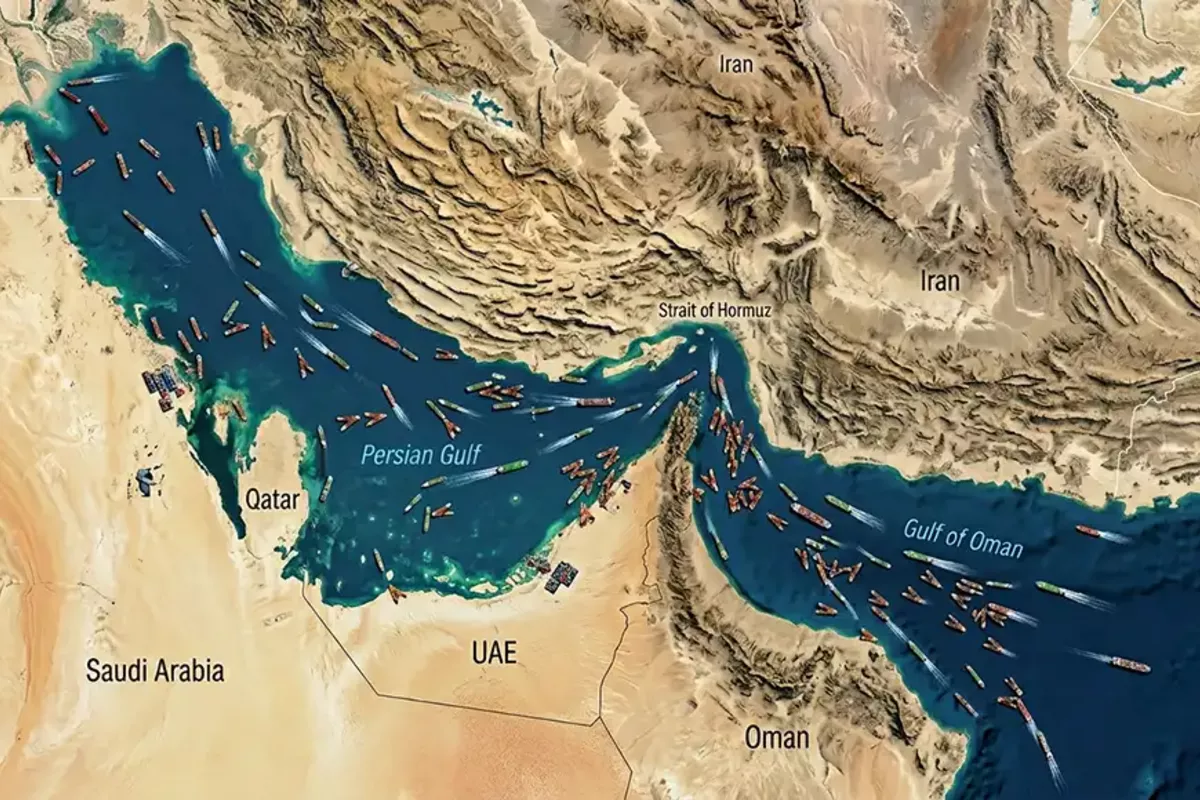
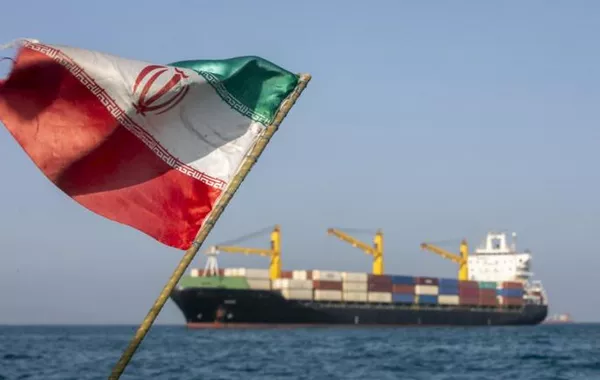
Iran says the Strait of Hormuz will remain closed until the United States takes action to meet Tehran’s demands.
Iranian Foreign Ministry spokesman Esmail Baghaei said on Monday that Washington must halt what Tehran describes as its “illegal and destructive actions” before the strait can be fully reopened, Times Kuwait reported.
“It is up to the US side to stop and make amends for its illegal and destructive actions,” Baghaei said.
Iranian officials have outlined several conditions for restoring normal shipping through the Strait of Hormuz.
They include demands that the United States:
Never threaten Iran again.
- - Pay compensation for damage caused during months of war.
- - Permanently end military action against Iran and its regional allies, including Hezbollah in Lebanon, the Houthis in Yemen and Hamas in Gaza.
- - End restrictions on Iranian ports and shipping in the Strait of Hormuz and withdraw US military forces from the area.
- - Lift sanctions against Iran and release frozen Iranian assets.
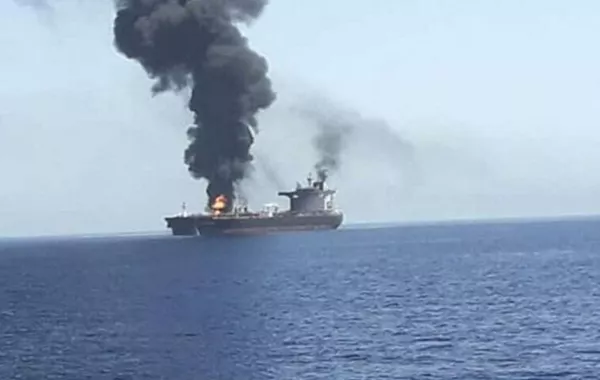
The standoff has disrupted shipping through one of the world’s most important energy routes and contributed to a sharp rise in global fuel prices.
Iran is also holding discussions with Oman over arrangements for shipping through the strait, including the possibility of a temporary maritime corridor. Tehran, however, has stressed that any full reopening remains dependent on negotiations with Washington.
Trump: US not engaged in major talks
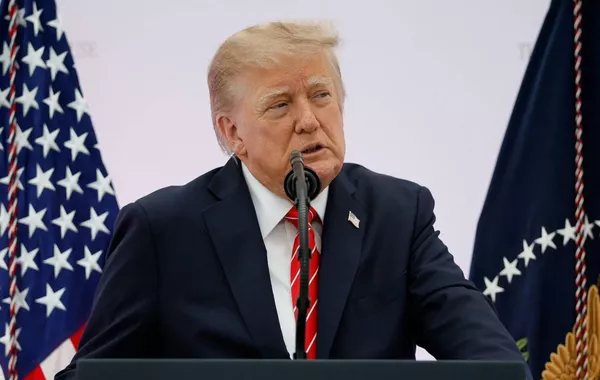
US President Donald Trump said on Sunday that Washington was not engaged in major negotiations with Iran.
“We are low-keying it,” Trump said, according to US media reports. “We are only semi-negotiating with them.”
Trump nevertheless expressed optimism that the dispute could eventually be resolved.
“It will work out. It always works out. It’s like a chess game,” he said.
Iran plans fees for ships
Iran has also said commercial vessels could be charged for services while transiting the Strait of Hormuz.
Baghaei said Tehran was working with Oman on mechanisms covering maritime security, environmental protection and efforts to combat crime at sea. Any fees, he said, would be linked to services provided to ships rather than a simple transit toll.
Before the conflict, commercial shipping through the waterway did not incur transit fees.
Iran and Oman both claim territorial waters extending up to 12 nautical miles under the UN Convention on the Law of the Sea, leaving no international waters in the narrowest section of the strait.
The convention provides for transit passage by ships, while Iran does not accept the application of that legal position to the current dispute, dw.com reports.
The United States has said its objective is to restore oil and gas shipments through the strait to pre-war levels.
Trump counters Iran’s compensation demand
Trump on Monday responded to Iran’s demand for compensation by saying the United States would also seek compensation from Tehran.
Iran has said it wants compensation for damage caused by US and Israeli attacks. Trump said such a demand had not been raised in negotiations with Washington.
“If Iran is demanding compensation, then I am likewise demanding compensation from Iran,” Trump said in a post on Truth Social, referring to Americans killed or seriously wounded in past attacks and conflicts.
He specifically cited the 2000 bombing of the USS Cole and alleged that thousands of others had been killed in combat.
Trump’s latest comments came a day after he said Washington was taking a low-profile approach to contacts with Tehran.
The two sides have repeatedly issued conflicting accounts of the state of negotiations, the issues under discussion and the conditions being considered for any agreement.
With Iran tying the reopening of the Strait of Hormuz to concessions from Washington, and the Trump administration now raising its own compensation demands, prospects for an immediate breakthrough remain uncertain.