Iran Warns of Prolonged Oil and Gas Disruption if U.S. Strikes
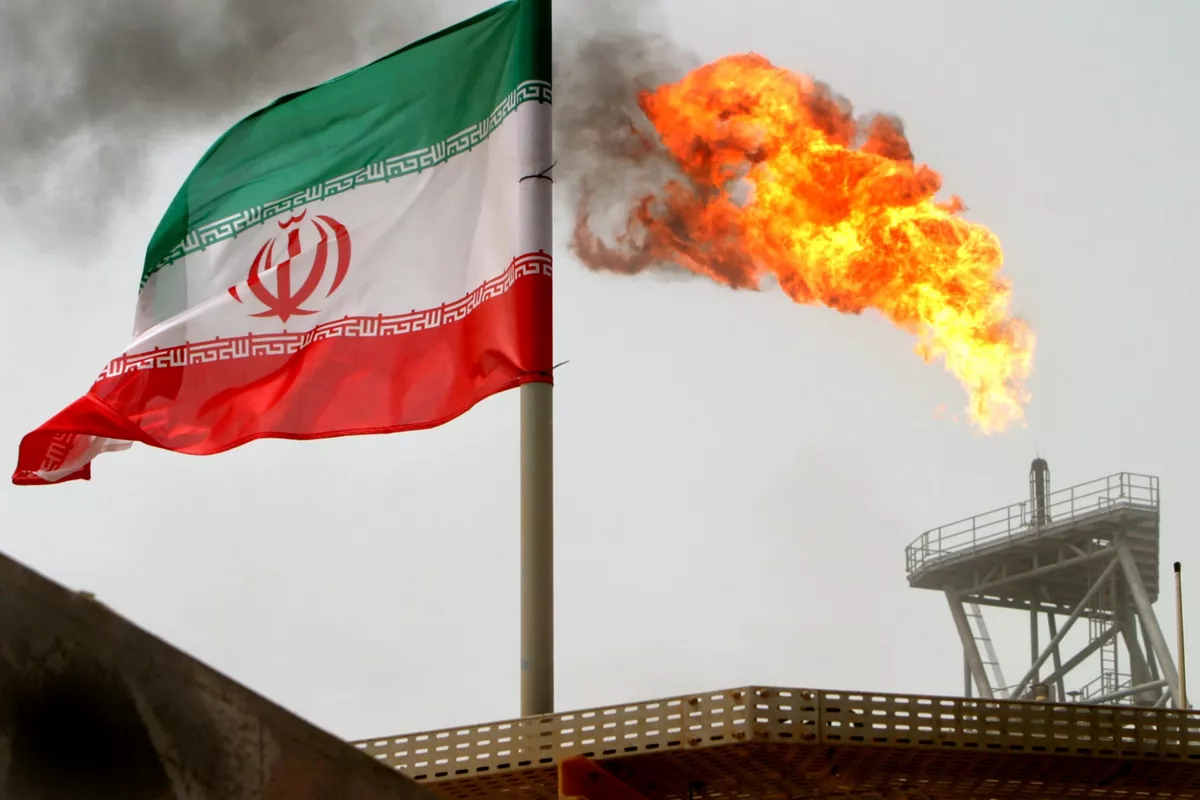
Iran's IRGC has issued a warning that any U.S. attack on Iranian civilian infrastructure would lead to retaliation, including cutting off regional oil and gas supplies "for years."
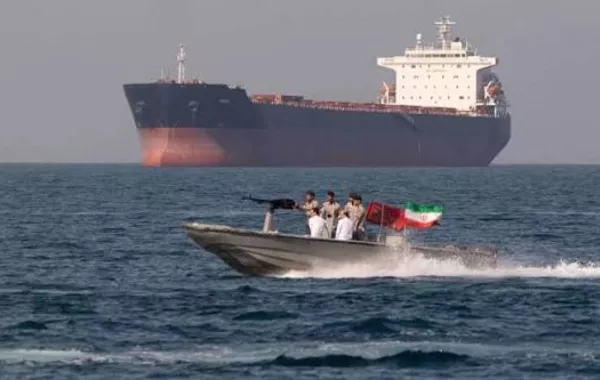
The threat follows President Trump’s ultimatum to reopen the Strait of Hormuz by Tuesday night or face bombing. Türkiye, a major energy importer and neighbor to Iran, is deeply concerned about the potential economic fallout, The Caspian Post reports, citing Turkish media.
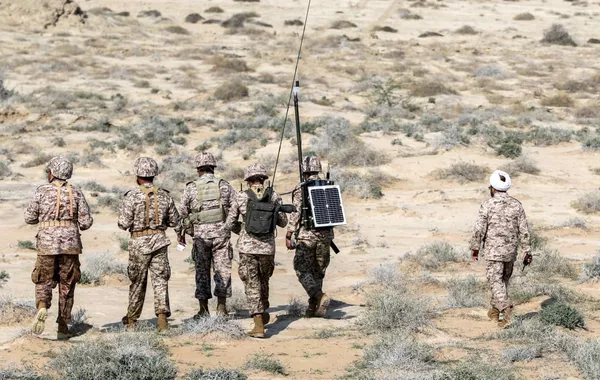
Tehran issued a stark warning on Tuesday: if Washington strikes Iranian non-military facilities, the Islamic Republic will retaliate by crippling energy flows across the Gulf region for a prolonged period. The Islamic Revolutionary Guard Corps (IRGC), speaking through state news agency IRNA, declared that it would target energy infrastructure belonging to the United States and its allies. “We will damage the infrastructure of America and its partners, which will deprive the United States and its allies of oil and gas in the region for years,” the IRGC stated. The force added that while it had previously shown restraint out of neighborly considerations, those limits may now be abandoned.
Trump’s Ultimatum and Iranian Red Lines The Iranian threat came hours before a deadline set by US President Donald Trump, who demanded that Tehran reopen the Strait of Hormuz and reach an agreement by 8:00 pm EDT Tuesday (0000GMT Wednesday). Trump had threatened to bomb power stations and bridges across Iran if the deadline was missed. The IRGC stressed that Iran has not initiated any strikes on civilian targets but would respond forcefully to any attack on its own civilian infrastructure. The exchange marks a dangerous escalation in rhetoric between the two capitals.
Türkiye’s Energy Security at Stake For Türkiye, which imports a significant portion of its crude oil and natural gas from Gulf producers via the Strait of Hormuz, any prolonged disruption would send shockwaves through the Turkish economy. Ankara has maintained diplomatic channels with both Tehran and Washington, urging restraint and a return to negotiations. Turkish officials fear that a full-blown conflict could block the strait for months, driving up energy prices and threatening industrial production. Türkiye’s President Recep Tayyip Erdoğan has previously offered to mediate between the parties, an offer that remains on the table.
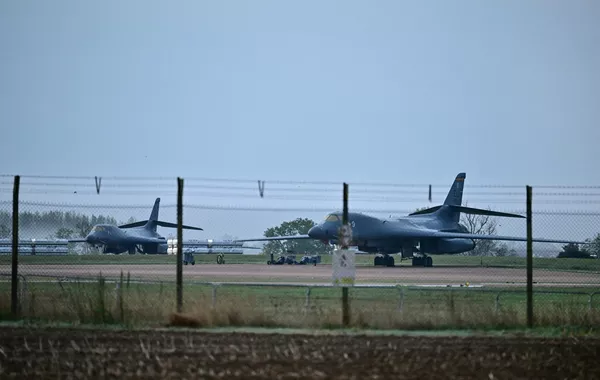
Broader Regional Conflict The latest warnings come amid a US-Israeli joint military offensive against Iran that began on February 28. The campaign has reportedly killed more than 1,340 people, including the late Supreme Leader Ayatollah Ali Khamenei. Iran has retaliated with drone and missile strikes targeting Israel, Jordan, Iraq, and Gulf states hosting American military assets, causing casualties and infrastructure damage while disrupting global markets and aviation. As tensions rise, Türkiye continues to monitor the situation closely, advocating for de-escalation to prevent a wider war that would directly affect its own borders and energy lifelines.