photo: getty images
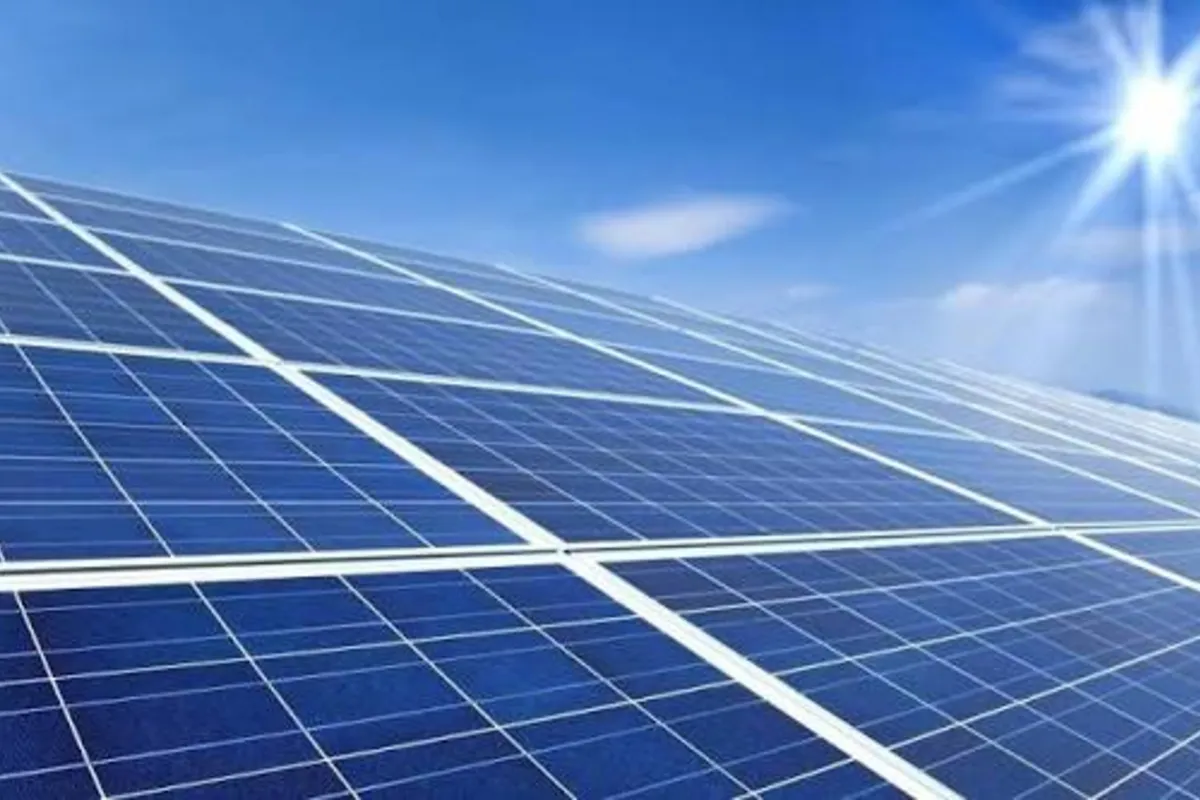
Kazakhstan plans to commission five solar power plants with a combined capacity of more than 92 MW in 2026, as the country continues expanding its renewable energy sector.
Three solar plants are already operational, while two more are expected to begin generating electricity by the end of the year, according to the Kazakh Ministry of Energy.
President Kassym-Jomart Tokayev has stressed the need to accelerate renewable energy development, particularly solar power, as part of Kazakhstan's efforts to strengthen its electricity supply and transition to cleaner energy sources.
Kazakhstan's total installed renewable energy capacity currently stands at 3.7 GW, including 1.3 GW of solar power.
Renewable energy facilities generated 7.8 billion kWh of electricity in the first nine months of 2026, of which 1.9 billion kWh came from solar plants.
Kazakhstan plans to bring 10 renewable energy facilities with a combined capacity of 245 MW online this year. Seven projects have already been commissioned, including three solar power plants with a total capacity of 62.6 MW:
Stellar Energy LLP - a 20 MW solar plant in the Mangistau region.
Altyn Solar Energy LLP - a 22.6 MW solar plant in the Kostanay region.
Jetisu Terra Power LLP - a 20 MW solar plant in the Zhetysu region.
Two additional solar power plants developed by Alkhena LLP, with a combined capacity of 30 MW, are expected to come online in the Kyzylorda region before the end of 2026.
Kazakhstan is also developing a pipeline of solar projects with a combined capacity of approximately 900 MW.
Among the major projects under consideration are a 300 MW solar power plant planned by China Energy and projects by Tumar Commerce, with a combined capacity of up to 1 GW.
By the end of 2035, Kazakhstan aims to commission at least 8.4 GW of new renewable energy capacity, including approximately 1.8 GW of solar power generation.
The expansion is part of the country's long-term strategy to diversify its energy mix, increase electricity generation and strengthen the role of renewable sources in meeting growing demand.
Share on social media