The conflict in the Middle East and disruptions affecting the Strait of Hormuz have prompted leading economists to downgrade their forecasts for the global economy. What could this mean for Kazakhstan, its key trading partners, and domestic prices? Could a conventional conflict evolve into a global trade and economic shock?
In its May edition of the Chief Economists Outlook, the World Economic Forum highlighted growing risks to global trade, rising inflationary pressures, and increasing economic uncertainty, The Caspian Post reports via Zakon.kz.
According to the forum’s survey, nine out of ten economists expect the global economy to weaken over the next year, reflecting mounting concerns over geopolitical tensions, trade disruptions, and slowing growth in major markets.
As stated in the report:
“Eighty-nine percent of surveyed economists expect global economic growth to weaken over the next 12 months.”
The downgrade in economic expectations is driven not only by the conflict involving Iran itself, but also by its potential impact on global trade.
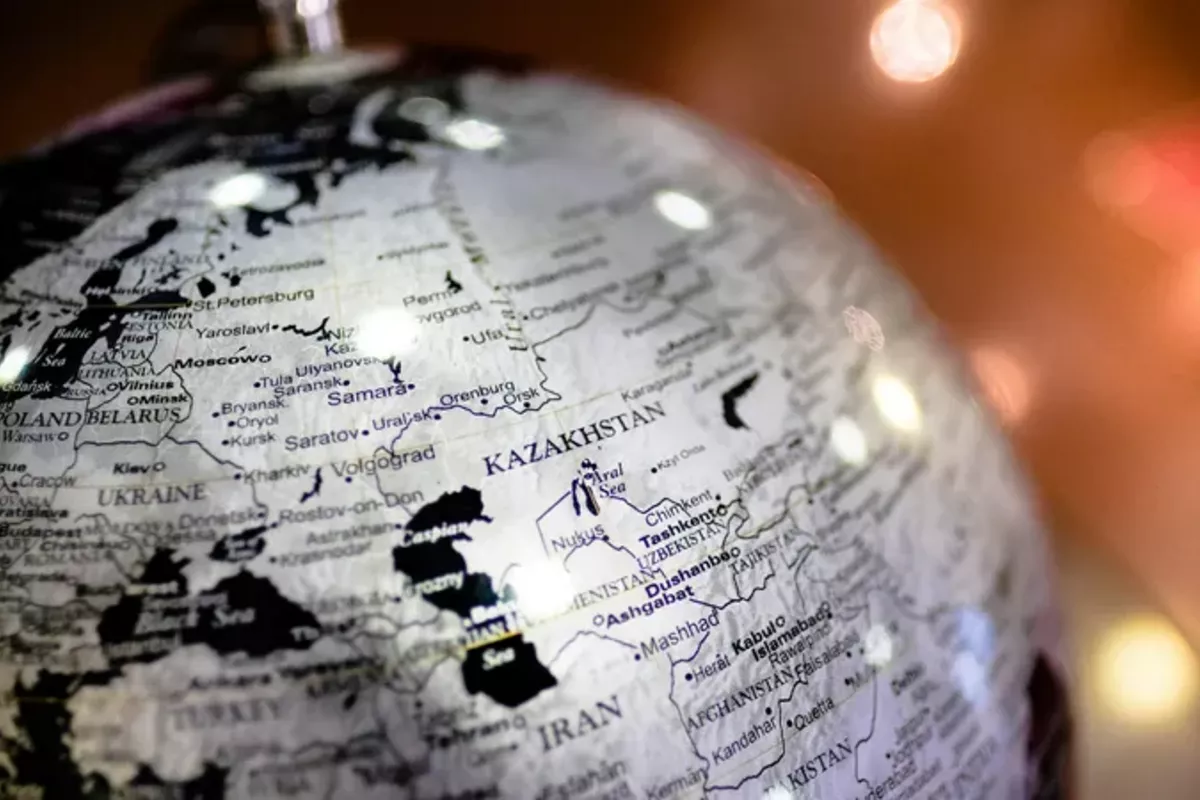
A significant share of the world's oil, natural gas, and petrochemical exports passes through the Strait of Hormuz, making the waterway one of the most strategically important trade routes on the planet. Any disruption to shipping traffic can quickly drive up transportation costs, increase commodity prices, and ultimately raise the cost of finished goods worldwide.
Despite these concerns, economists are not yet forecasting a global recession. Instead, many are increasingly worried about a different scenario: a prolonged period of weak economic growth combined with persistently high inflation.
This combination-often referred to as stagflation-like conditions-is emerging as one of the most significant economic risks facing countries around the world, threatening household purchasing power, business investment, and overall economic stability.
For Kazakhstan, the Key Concern Is Not Oil-It's China
At first glance, it may seem that oil prices remain the most important factor for Kazakhstan’s economy. However, the report points to a different conclusion: the health of China’s economy may be far more significant.
Unlike Europe and several other regions, China's economic outlook has improved in recent months. Most economists expect the country to maintain moderate growth, while its manufacturing sector continues to demonstrate resilience despite global uncertainties.
For Kazakhstan, this is particularly important. China remains one of the largest buyers of Kazakh exports, ranging from energy resources and metals to agricultural products.
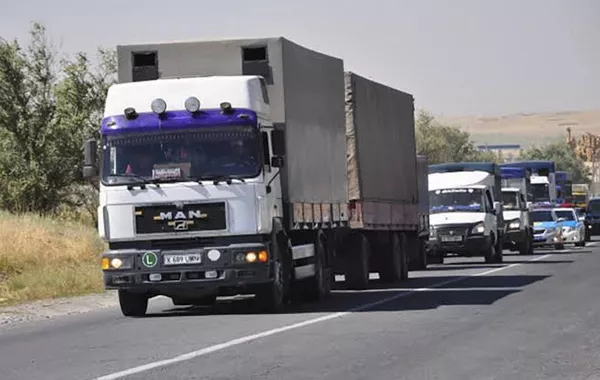
In addition, Kazakhstan serves as a key transit corridor for trade between China and Europe, making the country's economy increasingly linked to the strength of regional supply chains and cross-border commerce.
If China maintains its current pace of growth, demand for Kazakh exports is likely to remain relatively resilient, even as the broader global economic environment deteriorates.
Europe Faces Growing Stagnation Risks
The picture in Europe is far less encouraging.
The authors of the report warn that the continent is becoming increasingly vulnerable to a combination of slowing growth and persistent inflation.
As the Chief Economists Outlook notes:
"Europe may now face a more pronounced risk of stagflation than it did at the beginning of the year."
The concern is that Europe could face a period in which economic growth remains weak-or stalls altogether-while prices continue to rise. Such a scenario would create multiple challenges at once.
High energy costs increase operating expenses for businesses, eroding industrial competitiveness, while consumer spending remains subdued due to persistent inflation and economic uncertainty.
For Kazakhstan, however, the consequences could be mixed.
On the one hand, a slowdown in the European economy could reduce demand for commodities and dampen investment activity from European companies.
On the other hand, Europe is continuing to diversify its sources of energy and raw materials while seeking alternative trade and transport corridors. As a result, the strategic importance of Central Asia-and Kazakhstan in particular-as a transit and logistics hub is already growing.
Central Asia Emerges as a Growth Region
The outlook for Central Asia remains relatively strong despite mounting global economic and geopolitical challenges.
According to the latest survey, 73% of chief economists expect the region to achieve moderate or stronger economic growth over the next 12 months, underscoring confidence in Central Asia's resilience amid an increasingly uncertain global environment.
At the same time, the International Monetary Fund projects that regional growth will slow to 4.8% in 2026 as earlier growth drivers gradually fade and new geopolitical and trade disruptions increase costs and weigh on economic activity.
While the overall growth outlook remains positive, the labor market picture is less encouraging. Fifty-seven percent of surveyed economists expect employment growth in the region to be weak or very weak, suggesting that economic expansion may not immediately translate into significant job creation.
For Kazakhstan, however, recent labor market data offers a more optimistic signal. In late March, the country reported that its unemployment rate had fallen to 4.6% in 2025, indicating continued stability in the domestic job market despite growing external pressures.
Monetary policy across Central Asia has remained largely unchanged in recent months, with central banks opting for caution amid growing global uncertainty.
Following their latest policy meetings, the central banks of Kyrgyzstan, Uzbekistan, Azerbaijan, and Kazakhstan all left interest rates unchanged, signaling a wait-and-see approach as policymakers assess the impact of global economic developments.
What Could Happen to Prices in Kazakhstan?
For Kazakhstan-and Central Asia more broadly-inflation appears to be the most likely economic consequence of the current wave of global disruptions.
Rising geopolitical tensions, higher transportation costs, supply chain pressures, and potential increases in energy and commodity prices could all contribute to renewed inflationary pressures across the region.
Economists remain divided on the scale of the challenge. According to the survey, 52% expect inflation in Central Asia to remain at moderate levels, while 41% anticipate high or very high inflation over the coming year.
The report repeatedly highlights rising energy prices as the primary driver of global inflationary pressures. Food prices could be the next area to come under strain.
Beyond oil and natural gas, the Strait of Hormuz is a critical route for a significant share of the world's fertilizer shipments and the raw materials used in fertilizer production. If disruptions to traffic through the waterway persist, agricultural sectors across multiple countries could face higher costs, eventually pushing up food prices worldwide.
For Kazakhstan, this could translate into more expensive imported goods, adding further pressure to domestic inflation and household budgets.
Who Stands to Benefit from the Global Economic Realignment?
Interestingly, the report identifies the United States, India, and Southeast Asia as the most attractive regions for international business and investment.
India, in particular, is emerging as one of the biggest beneficiaries of ongoing shifts in the global economy. Its rapid economic expansion, vast domestic market, and growing role in international trade are making it an increasingly important destination for global capital and business activity.
For Kazakhstan, this trend carries an important message. The global economy is gradually becoming less dependent on a single center of growth. Alongside China, new major markets are emerging that can generate demand for commodities, industrial products, and transportation services.
Against this backdrop, economists believe Kazakhstan has an opportunity to strengthen its position as a strategic bridge linking China, India, Europe, and the Middle East.