photo: ADB
The Asian Development Bank (ADB) has approved a $20 million financing package to support the construction of the Kyrgyz Republic’s first utility-scale floating solar power plant, a project expected to strengthen energy security, reduce electricity imports and diversify the country's renewable energy sources.
The financing package comprises a $19.55 million concessional loan from ADB’s ordinary capital resources and a $450,000 grant from the Asian Development Fund. The Kyrgyz government will contribute an additional $2.02 million, according to ADB.
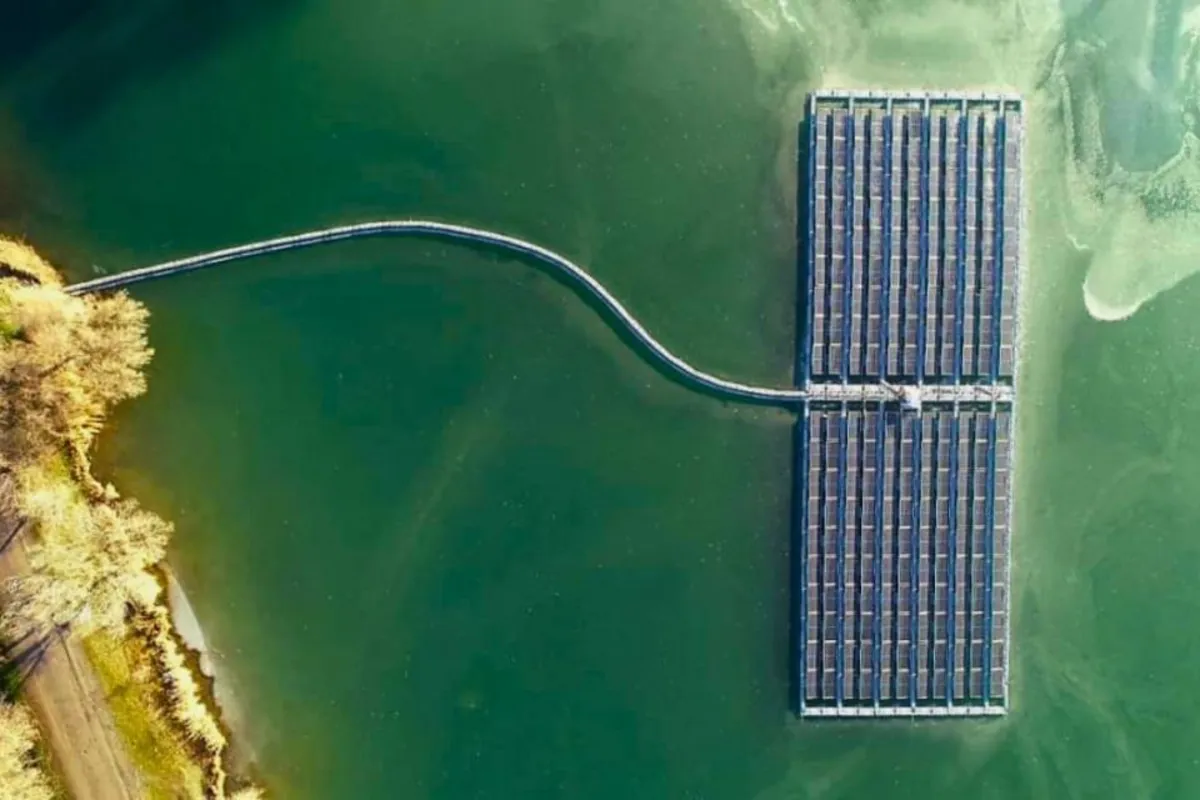
The planned 15-megawatt floating solar photovoltaic (PV) facility will be built on the existing reservoir of Chakan Hydropower Plant 5 near Bishkek. By utilizing existing water resources and connecting to the current electricity grid, the plant is expected to generate approximately 20 gigawatt-hours of clean electricity annually.
"As the Kyrgyz Republic's economy grows, so does the need for reliable and sustainable energy," ADB Country Director for the Kyrgyz Republic Zheng Wu said.
He noted that the project would diversify domestic electricity supplies, improve the use of existing infrastructure and establish a model for future renewable energy investments.
The initiative comes as Kyrgyzstan faces growing pressure on its electricity system. Hydropower accounts for nearly 90% of the country's electricity generation, making it the backbone of its energy sector.
However, rising consumption and climate-related pressures on water resources have made it increasingly challenging to meet domestic electricity demand throughout the year. Since 2012, electricity consumption has increased by more than 45%, contributing to greater reliance on imports, particularly during winter.
The floating solar facility is expected to complement hydropower generation and provide an additional source of domestic renewable electricity.
In addition to constructing the plant, the project will finance upgrades to grid infrastructure and provide technical assistance to Open Joint Stock Company Chakan HPP, strengthening its capacity to develop and operate floating solar facilities.
ADB also plans to share technical expertise and lessons learned with other developing member countries across Central and West Asia, potentially encouraging further investment in floating solar technology and greater private sector participation.
The project is expected to cut greenhouse gas emissions by approximately 4,628 tons of carbon dioxide equivalent annually. It will also include technical training and workforce development programs designed to expand employment opportunities for women in the renewable energy sector.
Share on social media