Could Telegram Be Blocked in Russia? What to Know
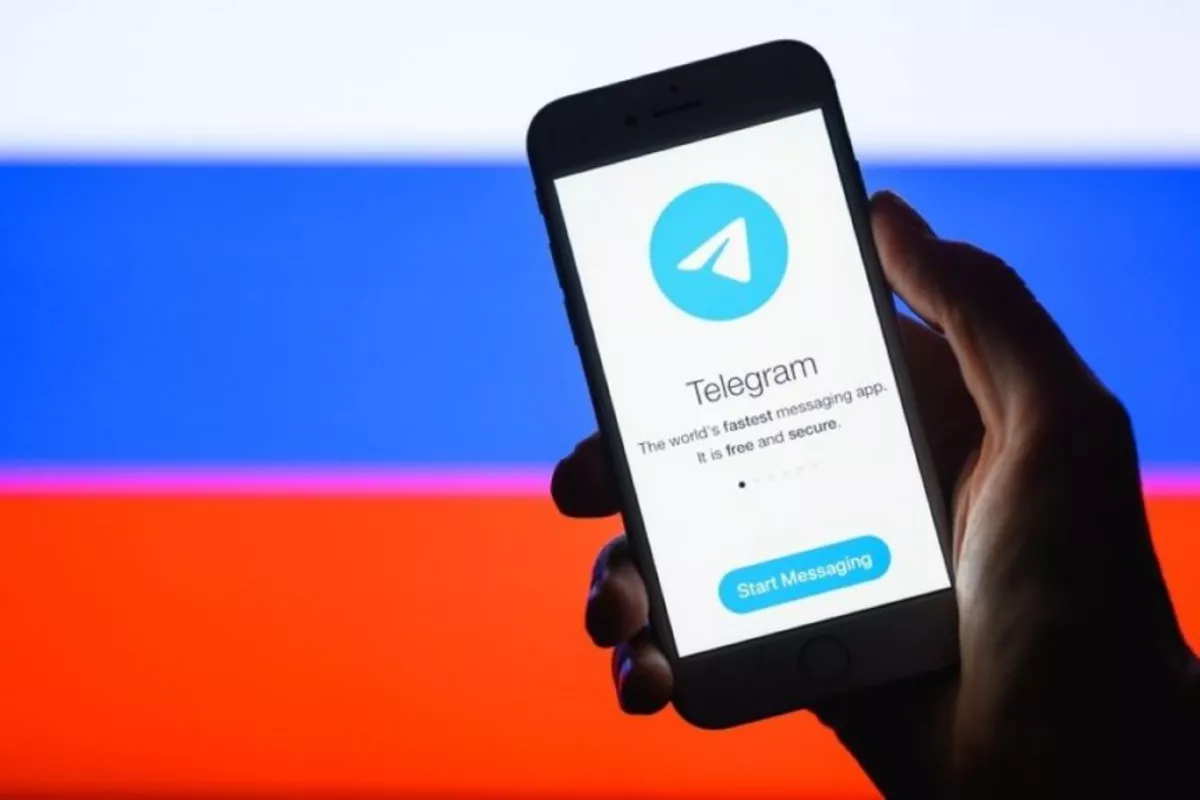
A senior Russian lawmaker’s warning that Telegram could be fully blocked if it fails to comply with domestic legislation has once again highlighted the tense relationship between global technology platforms and Moscow’s regulatory framework.
While no final decision has been announced, the statement underscores a broader trend: Russia’s increasingly strict approach toward digital sovereignty, data control, and foreign communication tools.
Below is a closer look at what is happening, why Telegram is under pressure, and what it could mean for users.
Why Telegram Is Under Scrutiny
The latest warning came from Andrey Klishas, chairman of the Federation Council Committee on Constitutional Legislation and State Building. While acknowledging Telegram’s quality and popularity, Klishas stressed that all digital platforms operating in Russia must comply with national laws.
Responsibility for any enforcement action lies with Roskomnadzor, the federal agency that regulates media, telecommunications, and internet activity in Russia. The regulator has increasingly focused on issues such as:
-
Data localization requirements, which mandate that companies store Russian users’ data on servers located within the country
-
Compliance with anti-terrorism laws, including providing access to certain information upon request
-
Content moderation standards aligned with Russian legal norms
Telegram has previously faced friction with Russian authorities over encryption and data access, though it remains operational and widely used across the country.
A Broader Crackdown on Foreign Platforms
The warning regarding Telegram comes in the context of a wider regulatory tightening affecting foreign technology companies.
Russian authorities recently restricted WhatsApp, owned by Meta Platforms, citing alleged non-compliance with Russian law. Officials argued that foreign messaging services must operate within the country’s legal framework or risk limitations.
Following the WhatsApp restrictions, Kremlin spokesman Dmitry Peskov encouraged citizens to transition to “Max,” a state-developed messaging application that has reportedly been mandatory on newly sold devices in Russia since 2025.
These developments reflect a broader state policy aimed at strengthening control over digital infrastructure and reducing dependence on foreign technology platforms.
Telegram’s Unique Position in Russia
Despite regulatory pressure, Telegram occupies a distinctive place in Russia’s digital ecosystem. It is widely used not only for personal messaging but also for news distribution, business communications, and even military-related information channels.
Telegram channels serve as major sources of real-time updates, commentary, and official announcements. Government agencies, independent journalists, bloggers, and public figures all rely heavily on the platform.
The app’s encryption features and decentralized channel structure have made it particularly influential. However, those same characteristics have also drawn scrutiny from regulators concerned about oversight and compliance.
Telegram’s founder, Pavel Durov, has previously argued that regulatory actions in various countries are attempts to pressure platforms into compromising user privacy or steering users toward state-monitored alternatives.
What Could Happen Next?
At this stage, no official blocking order has been issued. Any decision would rest with Roskomnadzor, which has the authority to impose restrictions ranging from fines to partial slowdowns or full access bans.
If Telegram were blocked:
-
Millions of users could lose access to one of their primary communication tools
-
Businesses and media outlets reliant on Telegram channels would face disruption
-
Users might turn to VPN services or alternative platforms
-
The government’s domestic messaging platforms could see increased adoption
However, enforcement decisions are often influenced by political, economic, and technological considerations. Telegram’s extensive usage across various sectors may factor into any regulatory calculation.
Russia’s Digital Sovereignty Strategy
The situation surrounding Telegram is part of Russia’s broader push for what officials describe as “digital sovereignty.” This strategy emphasizes:
-
Domestic alternatives to foreign technology services
-
Greater control over data flows within national borders
-
Legal mechanisms to regulate global tech firms
-
Infrastructure resilience in the face of geopolitical tensions
Supporters argue that such measures enhance national security and technological independence. Critics contend that they risk reducing access to global platforms and limiting information exchange.
The Bigger Picture
Russia has experienced significant political and economic shifts in recent years, and digital regulation has become a central policy arena. Messaging apps, in particular, sit at the crossroads of national security, free expression, commerce, and public communication.
Telegram’s future in Russia will likely depend on its ability to navigate regulatory demands while maintaining its operational model. The debate reflects a broader global tension between governments seeking regulatory oversight and technology platforms built around cross-border connectivity and encrypted communication.
For now, Telegram remains accessible in Russia. But the latest warning signals that its status could change if authorities determine it is not fully aligned with domestic legal requirements.