Regional Turmoil Puts Turkish Exporters at a Crossroads
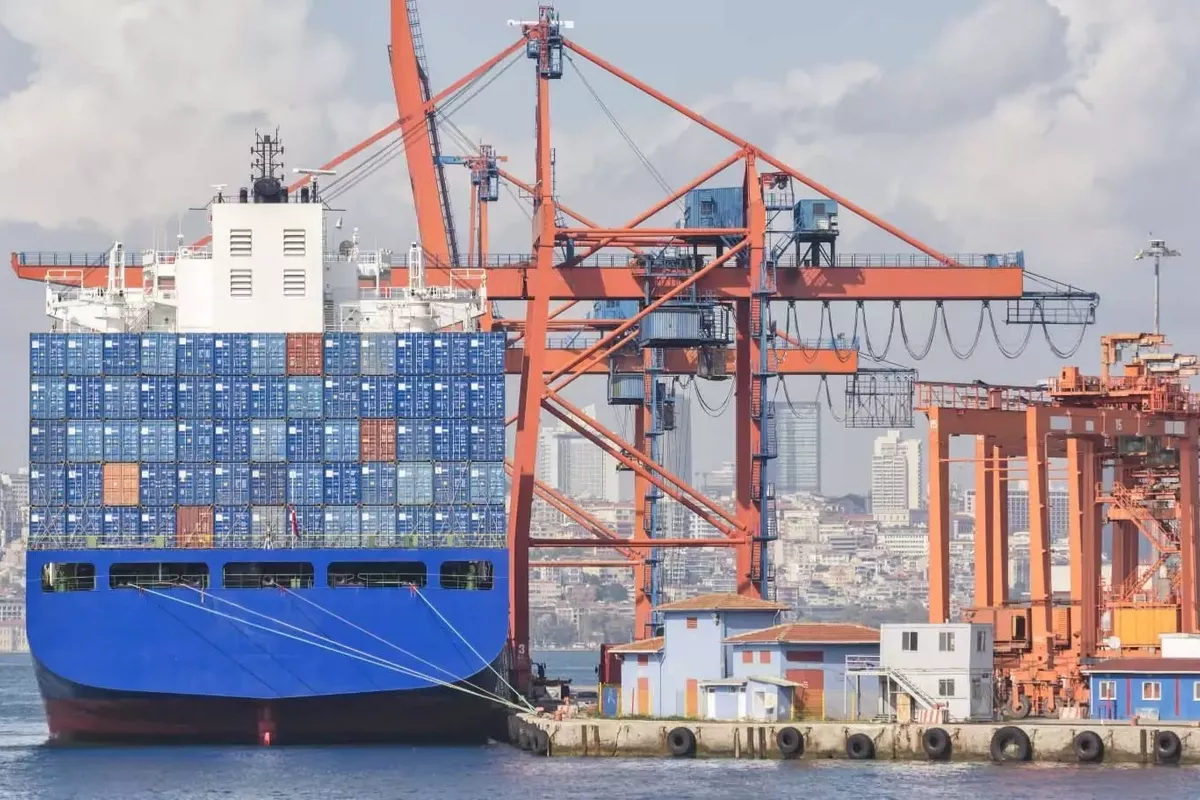
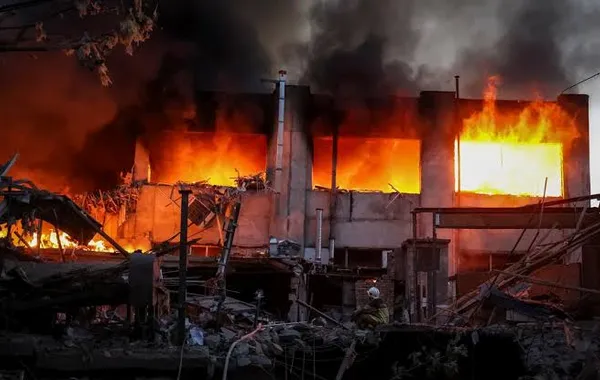
With the ongoing Middle East conflict and the crisis in the Strait of Hormuz affecting global trade, Turkish exporters are taking a cautious approach, expecting short-term fluctuations in orders.
Many believe rising costs in Europe could create new supply opportunities for Türkiye, but for now, the prevailing mood is one of restraint, The Caspian Post reports, citing Turkish media.
Ahmet Fikret Kileci, vice president of the Turkish Exporters Assembly (TİM), compared the current situation to the pandemic era. “This war has created a picture similar to the pandemic,” he said.
He emphasized that such periods can turn into opportunities if Türkiye acts prudently. “At first, we may see a decline in orders from Europe,” he noted. “But Türkiye’s logistical and geopolitical advantages put it ahead of competitors. Over time, more orders may come, and they could be of higher added value.”
Kileci highlighted that energy-driven sectors such as petrochemicals and packaging are among those most affected. Exporters, he explained, are largely following a “wait-and-see” policy at this stage.
Melisa Tokgöz Mutlu, chair of TİM’s Fruit and Vegetable Products Sector Board, pointed to Türkiye’s geographic position as a potential advantage. “In fresh produce, opportunities may arise during this period,” she said. She stressed that freight costs have risen, but demand for food will not disappear. “We expect increased demand from the European Union,” she said.
Mutlu explained that Türkiye’s land and rail connections to Europe give it a unique edge. “Products that would otherwise be sourced from Egypt or the Far East can be obtained from us more easily thanks to freight advantages,” she stated.
“We don’t necessarily need ships or containers to deliver goods to the EU. We can use land and rail routes, while other suppliers are forced to rely on sea or air transport,” she added.
Not all sectors see opportunity in the turmoil. Mustafa Paşahan, vice president of the Istanbul Apparel Exporters’ Association (İHKİB), argued that ready-to-wear is unlikely to benefit. “The impact has not yet been felt across the entire sector,” he said.
“Companies working with the Middle East have seen partial declines in orders due to the war. But this environment will not create opportunities for apparel. Even if it does, they would be temporary,” he added.
Adil Pelister, chairman of the Istanbul Chemicals and Chemical Products Exporters’ Association (İKMİB), also urged caution. “It is too early to assess order movements,” he said.
Pelister warned that rising energy costs are directly affecting production expenses and competitive conditions. “Sales prices cannot increase as quickly as energy costs,” he explained.
“This narrows profit margins and could lead to supply shortages in the sector,” he added.