Source: Anadolu Agency
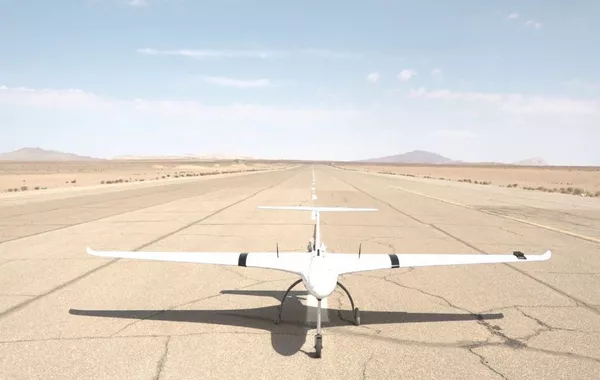
Turkish defense company Aselsan demonstrated its latest electronic warfare and radar systems integrated with Baykar’s Bayraktar TB2 unmanned aerial vehicles (UAVs) during a live exercise attended by international delegations in central Türkiye.
Two Bayraktar TB2 drones were equipped with Aselsan’s Antidot 2ES 100 electronic support pod and Antidot 2EA 200 electronic warfare pod. The second drone also carried a Fulmar 200 synthetic aperture radar (SAR) pod, The Caspian Post reports, citing Anadolu Agency.
During the first phase of the exercise, the Antidot systems detected a live radar target while the drone was in flight, determined its location and carried out an autonomous electronic attack. This enabled the UAV to approach the target covertly.
The second phase demonstrated interoperability between the systems. The Antidot suite detected and located a separate target before transmitting its coordinates to the Fulmar 200 pod. The radar then captured high-resolution images of the area with high precision.
The demonstration marked the first time the Antidot family had been tested against live radar systems aboard the Bayraktar TB2 platform. The exercise combined radar detection, electronic attack and high-resolution imaging within a single operational cycle.
The Antidot 2ES 100 pod intercepts and records incoming signals to help identify enemy air-defense systems and determine their direction. It then transmits critical intelligence to ground control stations through the UAV’s communications link.
The compact and lightweight Antidot 2EA 200 analyzes signal characteristics, identifies threats and can autonomously engage enemy search and tracking radars using preprogrammed electronic attack techniques. It is designed to complement the Antidot electronic support pod.
The lightweight, low-power Fulmar 200 is an active electronically scanned array radar capable of Spotlight and Stripmap imaging in various weather and lighting conditions. It can be mounted beneath a wing or directly on an aircraft and is designed to operate alongside existing electro-optical and infrared camera systems.
Share on social media