photo: getty images
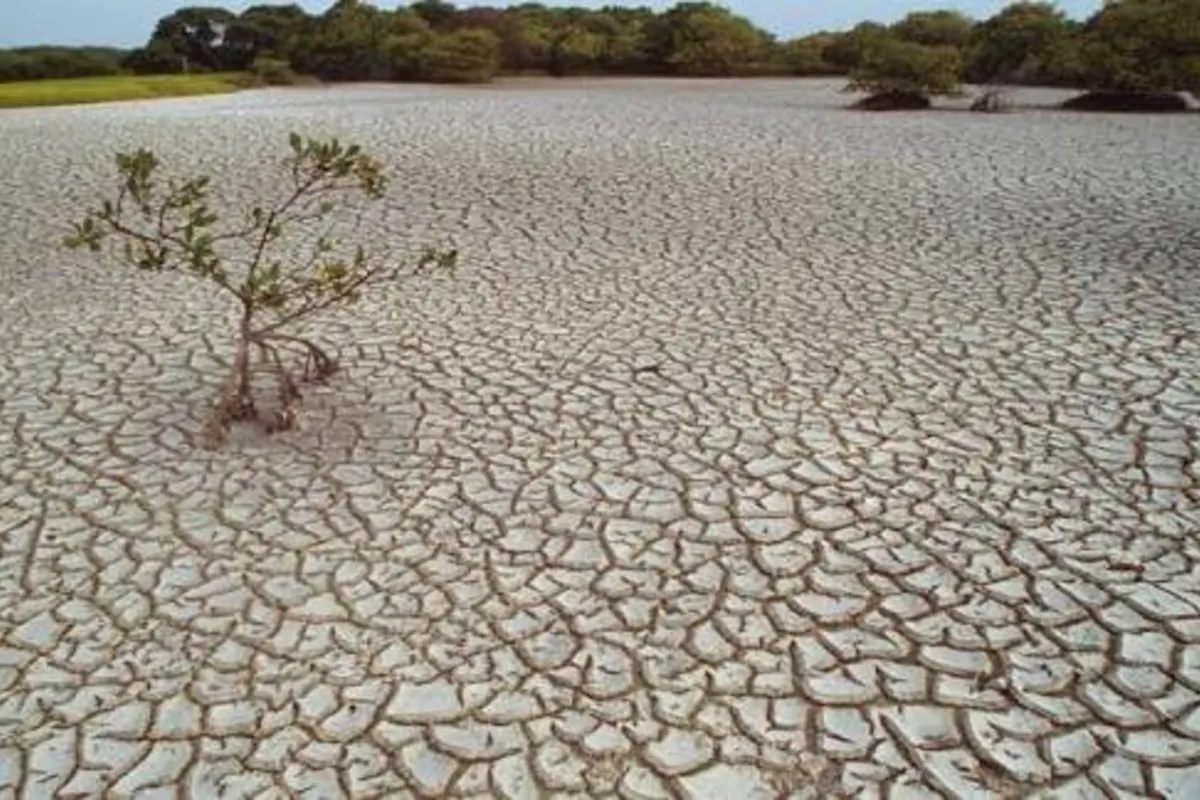
Uzbekistan could face an annual water shortage of up to 15 billion cubic meters by 2030 as declining water resources, climate change and growing demand put increasing pressure on the country’s water supply, Minister of Water Resources Shavkat Khamraev has warned.
Speaking at a press conference in Tashkent, Khamraev said Uzbekistan was negotiating with Afghanistan over the Qosh Tepa Canal project and with Tajikistan regarding the operation of the Rogun Hydropower Plant.
The minister said that Uzbekistan received an average of approximately 64 billion cubic meters of water annually before gaining independence. That figure has since fallen to between 51 billion and 52 billion cubic meters.
At the same time, the country's population has doubled over recent decades, while demand for water from industry and agriculture has continued to increase.
Climate change is adding to the pressure on water resources, with shrinking glaciers and increasingly frequent droughts further reducing water availability.
The government is also focusing on reducing water losses in the irrigation system as part of efforts to address the growing shortage.
The negotiations with Afghanistan and Tajikistan are particularly important as major water infrastructure projects in neighboring countries could affect regional water management and the availability of water resources across Central Asia.
Share on social media