Alexander Leonov: Vardanyan’s Havel Prize Nomination Could Discredit Europe’s Human Rights Standards
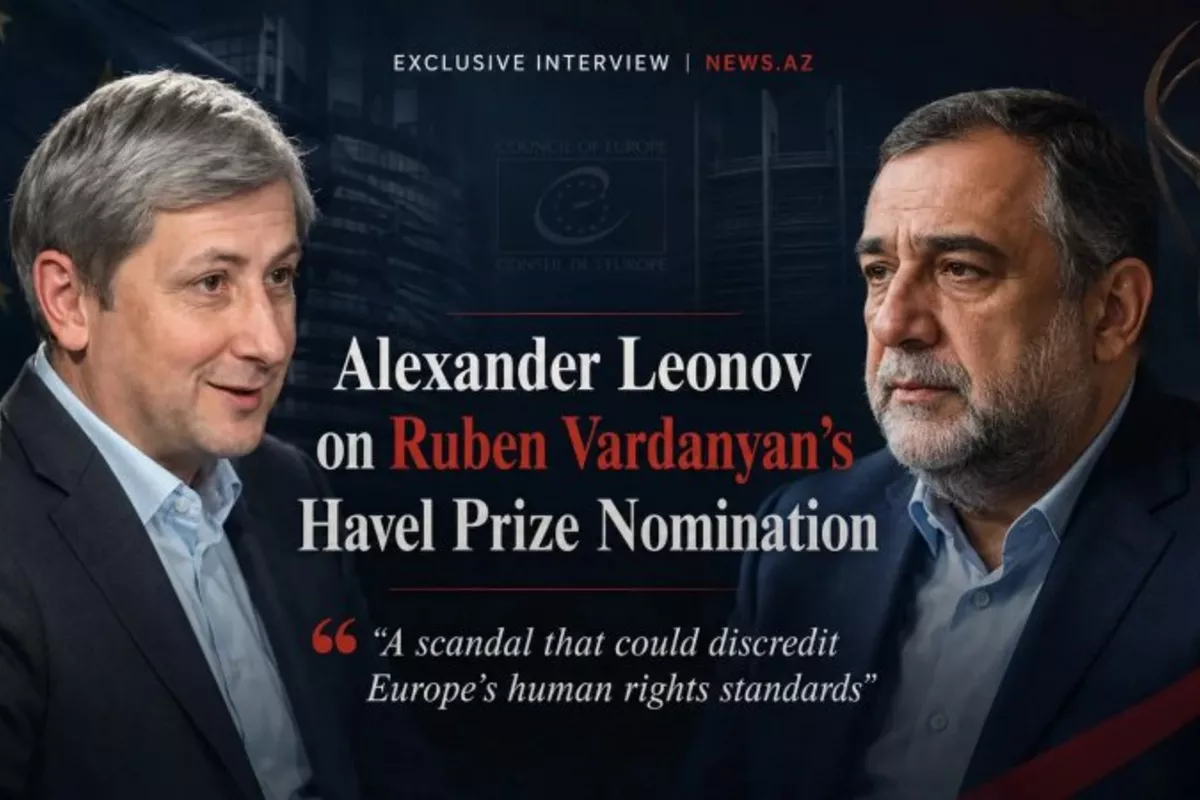
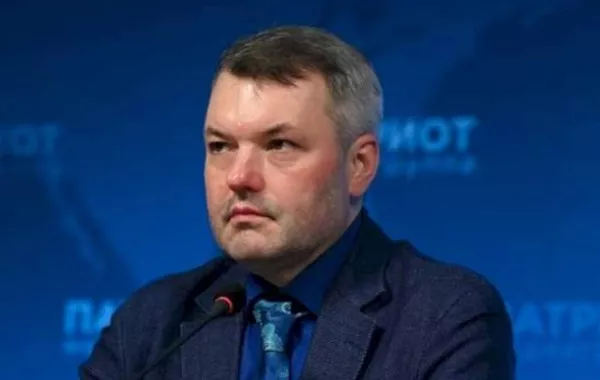
In an exclusive interview with News.Az, Alexander Leonov, Executive Director of the Center of Applied Political Studies Penta and a Ukrainian political analyst, commented on attempts to portray Ruben Vardanyan in Europe as a human rights defender and a potential candidate for the Václav Havel Human Rights Prize.
- How do you view the fact that Ruben Vardanyan, who was included in Ukraine’s Myrotvorets database and has been associated with Russian elites and financial structures, is now being portrayed in Europe as a human rights defender and a possible candidate for the Václav Havel Prize?
- It should be noted that in Ukraine, Vardanyan’s nomination for the Václav Havel Prize was noticed and received extremely negatively. In this context, people recalled both Vardanyan’s inclusion in the Myrotvorets database as an accomplice to Russian aggression against Ukraine and Alexei Navalny’s investigations into Vardanyan as a person alleged to have laundered billions of dollars for Putin’s criminal regime.
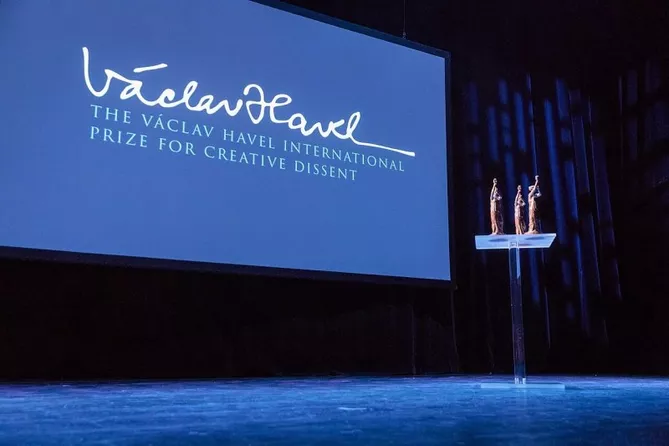
Source: PACE
Moreover, an OCCRP investigation exposed a large-scale offshore system involving Vardanyan’s Troika Dialog, through which billions of dollars passed and which was allegedly used to transfer funds to influential figures in Russia. Among those mentioned was Sergei Roldugin, a close associate of Putin.
Against this backdrop, Vardanyan’s nomination for a Council of Europe award does not appear to be a humanitarian gesture. Rather, it looks like an attempt to bring the Kremlin’s influence onto a legitimate European platform.
In effect, we are talking about a person who was involved in building a totalitarian regime in Russia - a regime responsible for numerous crimes both against its own people and against neighbouring countries.
Obviously, attitudes toward such initiatives cannot be positive.
- Can the attempt to promote Vardanyan for a European human rights prize be seen as a blow to Europe’s own reputation, given his ties to Russia, his role in Karabakh and accusations of involvement in processes that contradict the principles of international law?
- The saddest aspect of this story is that the Parliamentary Assembly of the Council of Europe was among the first institutions to impose sanctions on Russia following the occupation and illegal annexation of Crimea.
After Russia’s full-scale invasion, PACE also called for sanctions against influential individuals linked to the Russian Federation, including Vardanyan himself.
Unfortunately, Vardanyan’s nomination for the Václav Havel Prize can only be described as a scandal. One can only hope that PACE delegations will demonstrate a principled political position and prevent the discrediting of this human rights award.
- From the perspective of Ukrainian society, which has faced Russian aggression for many years, how dangerous is it for Europe to ignore the past of figures such as Vardanyan and turn people with a Russian financial and political background into “victims” and “human rights defenders”?
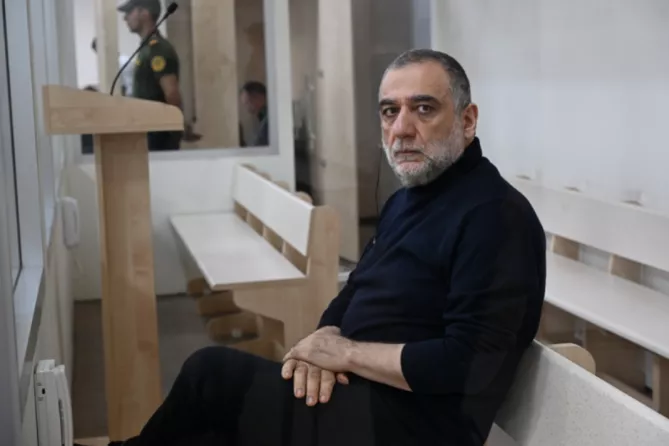
Source: APA
- Unfortunately, we have repeatedly witnessed Russia’s attempts to influence the easing of sanctions and weaken the principled position of international institutions, including in sports.
This often happens through people who, for years, received financial support from Moscow. And this may well become the subject of journalistic investigations into the initiators of such nominations.
Moreover, steps of this kind could open a Pandora’s box and become a mechanism for whitewashing representatives of Russia who are under international sanctions.