Promoting Vardanyan as Rights Defender Harms Europe’s Credibility, Ukrainian Expert Says
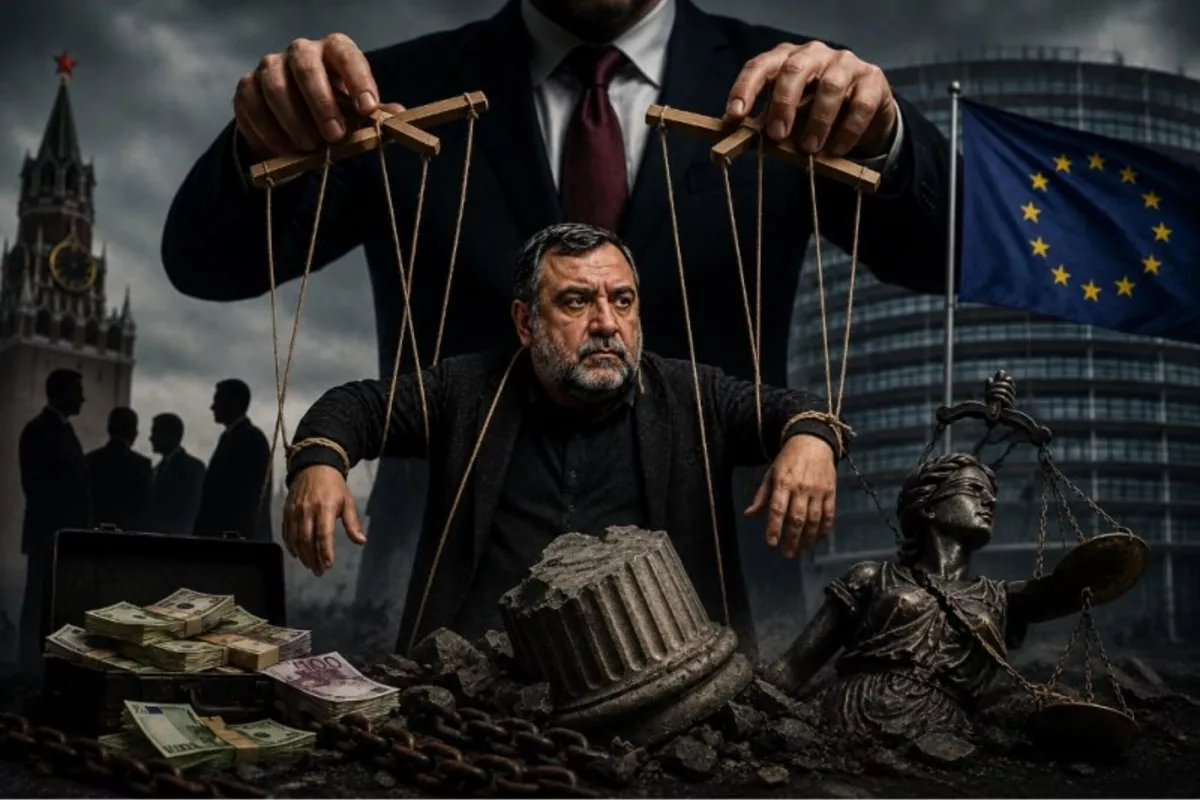
The nomination of Ruben Vardanyan for a European human rights award has drawn criticism from Ukrainian political observers, who argue that attempts to portray him as a defender of human rights are at odds with allegations and controversies linked to his past activities.
Critics say that promoting such a figure for a prestigious rights-related distinction risks undermining the credibility of institutions dedicated to democratic values, accountability and the protection of fundamental freedoms. They also warn that insufficient scrutiny of candidates’ backgrounds could create misleading public perceptions and weaken trust in international human rights awards and the principles they are intended to uphold.
In an interview with News.Az, Ukrainian political scientist Alexander Kovalenko described the nomination as a striking example of how political lobbying and financial influence can sometimes overshadow moral considerations in international affairs.
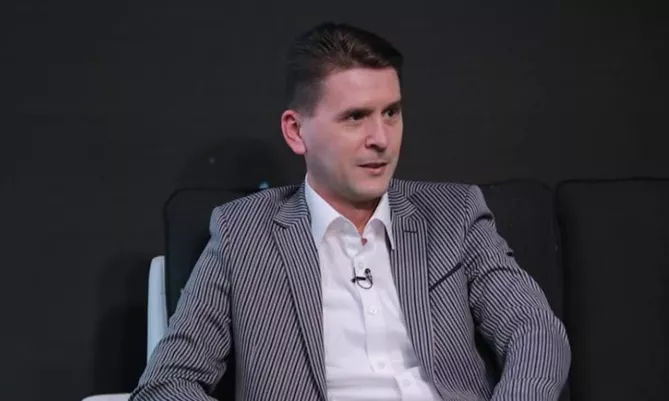
Ukrainian political scientist Alexander Kovalenko
“Of course, this is an outrageous case when a person who is essentially accused of war crimes, not only by Azerbaijan but also by Ukraine, is nominated for an award associated with human rights and their protection,” Kovalenko said.
According to him, the nomination raises serious questions because Vardanyan is viewed by many critics in both Azerbaijan and Ukraine as a controversial political figure rather than a defender of fundamental rights and freedoms.
Kovalenko argued that the initiative appears intended to improve Vardanyan’s public image on the international stage.
“I cannot explain this nomination in any other way. Apparently, substantial financial support played a significant role in this matter and ultimately led to the nomination being put forward,” he said.
The political analyst claimed that efforts are being made to reshape perceptions of Vardanyan and portray him as a victim of political circumstances rather than as an individual whose activities have attracted significant criticism and scrutiny.
According to Kovalenko, the situation is particularly paradoxical because sanctions have previously targeted networks and structures allegedly connected to activities associated with Vardanyan and his business interests.
“The paradox of the situation lies in the fact that sanctions were imposed against people like Vardanyan and his business activities, including by European entities,” he noted.
The expert also drew attention to the list of individuals supporting the nomination, suggesting that lobbying efforts may have played an important role in building support for the initiative.
Among those involved, Kovalenko specifically mentioned Armenian-American writer and economist Van Zananian, whom he described as a long-time advocate of Vardanyan’s interests.
“He has long acted as a lobbyist for Ruben Vardanyan’s interests and as a promoter of his public image,” Kovalenko said, adding that he would not rule out the possibility that lobbying networks contributed significantly to the nomination campaign.
At the same time, the Ukrainian political scientist stressed that a nomination should not be interpreted as an endorsement or a guarantee of eventual recognition.
“I would also like to note that a nomination does not mean selection, and it certainly does not mean that the person will receive the award,” he stated.
Kovalenko expressed confidence that objections raised by Azerbaijan and Ukraine would be heard by relevant European institutions and decision-makers.
“I am more than confident that, given the reaction currently coming from both Azerbaijan and Ukraine, he has virtually no chance of receiving this prize,” he said.
According to the analyst, the controversy surrounding the nomination may ultimately serve primarily as a public relations tool for Vardanyan’s supporters rather than leading to any tangible outcome.
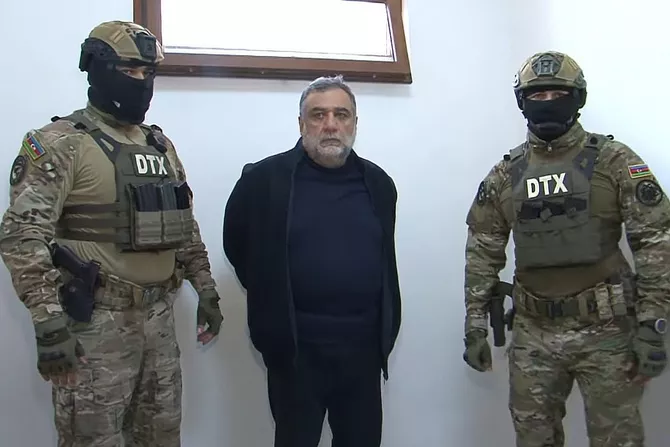
Source: State Security Service of Azerbaijan
He argued that attempts to portray controversial political figures as victims or human rights defenders risk damaging public confidence in institutions responsible for protecting democratic values and human rights.
Kovalenko further warned that overlooking the backgrounds of individuals associated with Russian political and financial networks could create misleading narratives and weaken the credibility of international human rights mechanisms.
“Candidates for prestigious human rights awards should be evaluated with maximum scrutiny and in accordance with the principles those awards represent,” he said.
The Ukrainian expert also suggested that lobbying efforts surrounding Vardanyan are unlikely to disappear and may continue within various international organisations and institutions.
At the same time, he maintained that public attention and criticism from civil society, experts and governments would make it difficult for such initiatives to achieve their intended objectives.
“Such awards will remain out of reach for him, regardless of how hard a pro-Vardanyan lobbying network within various organisations and institutions may try,” Kovalenko concluded.
The nomination has continued to generate debate among political analysts and observers, with critics arguing that international awards and human rights recognitions must remain grounded in transparency, accountability and adherence to the values they are intended to promote.