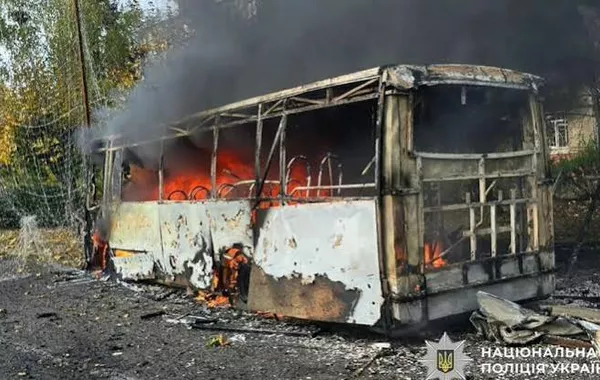
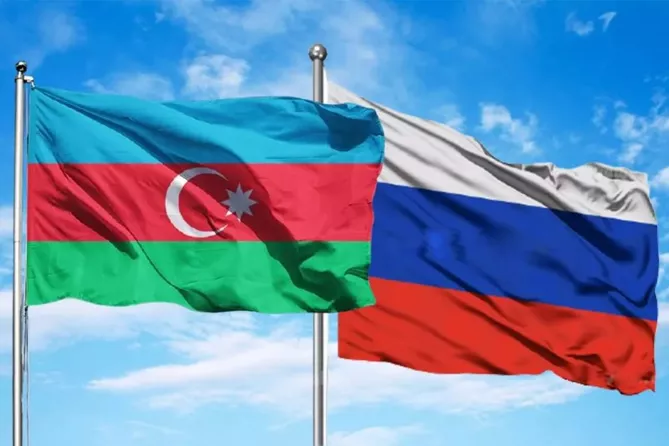
The Russia-Azerbaijan relations are entering a new stage after a period of certain cooling and tension, including over issues related to the crash of an AZAL aircraft. The recently signed joint statement by the Ministries of Foreign Affairs of Azerbaijan and Russia on settling all issues connected with this tragedy became an important signal of both sides’ readiness to move toward the normalization of dialogue.
Against this backdrop, the question of how political, economic and humanitarian contacts between Baku and Moscow will develop in the second half of 2026 is gaining particular importance. Despite the difficulties, economic cooperation between the two countries was not interrupted, while key regional projects, including the International North-South Transport Corridor, continue to be of strategic importance for both sides.
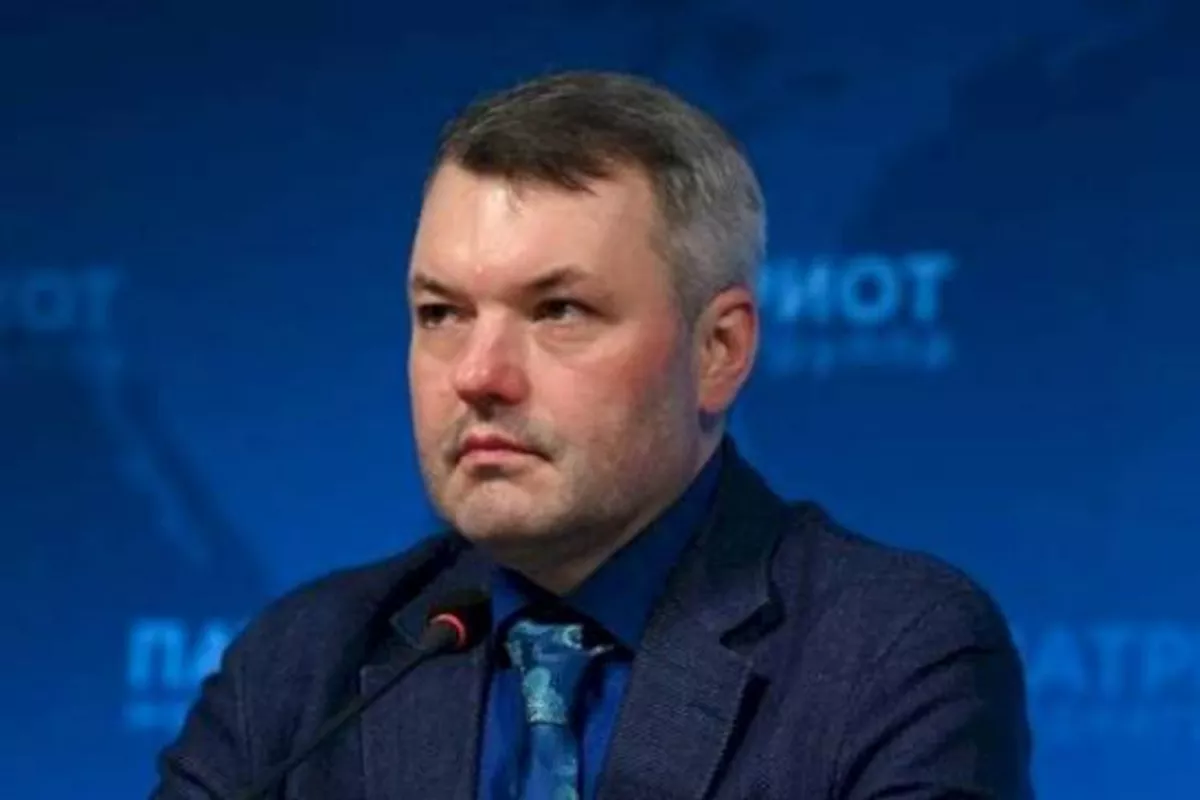
Russian political analyst and Director of the Institute of Contemporary State Development Dmitry Solonnikov spoke to The Caspian Post about the prospects for restoring Russia-Azerbaijan relations, possible meetings between the leaders of the two countries, the role of the Caspian region and the importance of the North-South corridor.
Credit: The Caspian Post
According to him, there are grounds today to expect that the process of restoring Russia-Azerbaijan relations will develop constructively and at a fairly rapid pace, taking into account the interests of both sides.
“Speaking about Russia-Azerbaijan relations, especially in light of the recently signed joint statement by the Ministries of Foreign Affairs of Azerbaijan and Russia on settling all issues related to the crash of an AZAL aircraft, one can say that we all expect relations to be restored. We hope that this process will be fast, constructive and aimed at serving the interests of both sides,” Solonnikov said.
The political analyst noted that even amid certain difficulties that arose last year, economic ties between Azerbaijan and Russia were not only maintained but continued to develop.
“It is important to note that even against the backdrop of certain difficulties last year, 2025 still showed growth in economic relations between the two countries. Economic relations were not interrupted in any way. Now we hope that they will expand further,” he emphasized.
According to Solonnikov, the intergovernmental commission continued its work, meetings were held at the level of deputy prime ministers, and such contacts are expected to continue.
“The intergovernmental commission was working, meetings at the level of deputy prime ministers were held and, obviously, will continue to be held. Contacts also took place within the framework of sports forums and in specific areas, including cooperation between security structures. In other words, working relations were preserved,” the expert said.
He noted that an important task now is to expand contacts not only at the official level but also between public organizations, the media and representatives of the cultural sphere.
“Now we expect contacts at the level of non-governmental organizations, civil society, the media - which is very important - as well as cultural exchanges to intensify. We hope that from the second half of 2026, these areas will enter a phase of intensive growth,” Solonnikov said.
According to him, meetings between the leaders of Azerbaijan and Russia will be a key element in the activation of bilateral relations.
“Of course, in order for all this to develop actively, meetings between the leaders will be an important element. Such a meeting may certainly take place this year. Different options are possible, but the most understandable and logical format would be a meeting during the CIS Heads of State Summit,” the political analyst noted.
He recalled that the CIS Heads of State Summit is scheduled for October 9 in Turkmenistan - in Avaza, Turkmenbashi, on the shore of the Caspian Sea.
“The summit is scheduled for October 9 in Turkmenistan, in Avaza, Turkmenbashi, on the shore of the Caspian Sea, practically opposite Azerbaijan. Last year, the leaders met during the CIS Heads of State Summit. If nothing absolutely extraordinary happens in the world, then we can expect such a meeting to take place this year as well. Therefore, we expect serious negotiations on October 9,” Solonnikov said.
He also pointed to the importance of the traditional informal CIS Heads of State Summit, which is held in St. Petersburg in December.
“There is also the traditional informal CIS Heads of State Summit in St. Petersburg in December. We hope that this year President of Azerbaijan Ilham Aliyev will attend it as well, and that the negotiations will continue there,” the expert said.
According to Solonnikov, in addition to multilateral platforms, separate bilateral visits may also be organized.
“In addition, visits may be organized directly within the framework of contacts between the two leaders - both from Moscow to Baku and from Baku to Moscow. This has not been officially announced yet, but such an option is quite possible. Our leaders met frequently in previous years, and we can expect this to happen during the current political season as well,” he noted.
The political analyst stressed that a meeting between the leaders could become a real driver for the restoration and development of a wide range of bilateral ties.
“If a meeting between the two leaders takes place, it will become a real step and a genuine driver for the further development of relations. It could give impetus to cultural exchanges, contacts between civil society and cooperation between the media. We expect serious changes in this area,” Solonnikov said.
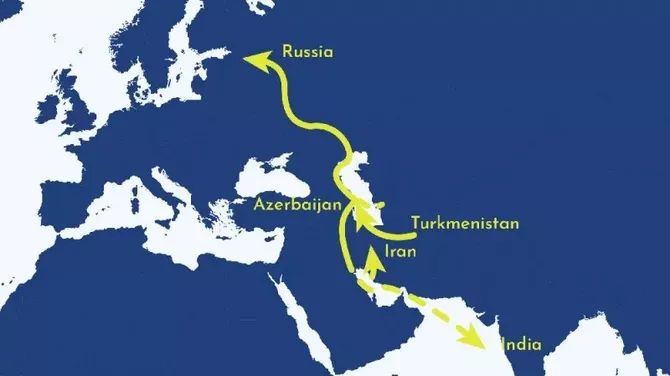
The expert separately pointed to the importance of the International North-South Transport Corridor, calling it one of the flagship projects of the region.
“The flagship project of our entire region is the North-South transport corridor. We expect it to return to the current agenda as well,” he said.
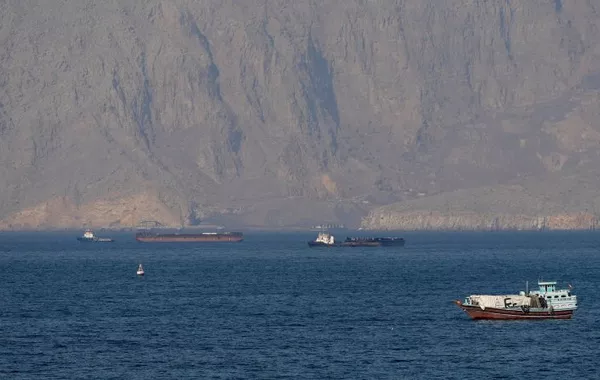
According to Solonnikov, if the situation around Iran has indeed stabilized, this could open up new opportunities for the development of infrastructure projects in which both Russia and Azerbaijan are interested.
“If the conflict around Iran has ended, the country’s reconstruction may now begin. We are talking about large amounts of funds, part of which may possibly be directed toward creating infrastructure. And this is exactly the kind of infrastructure in which both Russia and Azerbaijan are interested,” the political analyst noted.
He stressed that Iran’s active involvement in the development of infrastructure for the North-South corridor could become an additional incentive for joint work between Moscow and Baku.
Credit: Trend
“If Iran joins the agenda of creating infrastructure for the North-South corridor, then, of course, for both Russia and Azerbaijan this will be a reason for joint events and joint projects,” Solonnikov said.
According to him, recent developments have already demonstrated the growing importance of the Caspian region for international trade.
“We have seen how, against the backdrop of the recent conflict, trade across the Caspian Sea intensified, and the Caspian region became important for international trade. We hope that all this will continue,” the expert noted.
Solonnikov concluded that Russia and Azerbaijan have every reason to engage in active joint work, and that it is now important to implement this potential in practice.
“There are grounds for active joint work. All that remains is to realize this potential. Once again, we hope that all of this will be implemented in the second half of 2026,” Dmitry Solonnikov concluded.