In the mid-2020s, the strategic map of Eurasia is being quietly redrawn-not by tanks or treaties, but by capital flows, energy infrastructure, and logistics assets. While much attention remains focused on great-power competition between Russia, China, the European Union, and the United States, another set of actors has been steadily embedding itself into the political economy of the Caucasus and Central Asia: the Gulf states. By 2025, the United Arab Emirates, Saudi Arabia, and Qatar-supported in more selective ways by Kuwait, Oman, and Bahrain-have moved beyond episodic engagement to become durable economic and strategic partners across the region.
This shift is not about dominance or replacement. The Gulf states are not seeking to displace Russia’s security role, China’s trade weight, or Europe’s regulatory presence. Instead, they are inserting themselves as a fourth strategic vector, one defined by deployable capital, operational capacity, and a form of diplomacy that is intentionally post-ideological. Their appeal lies precisely in what they do not bring: no territorial claims, no civilizational projects, no democratization agenda, and no overt geopolitical alignment demands. What they do bring is liquidity with patience, energy transition expertise, and an ability to execute complex infrastructure projects at speed.
For the Gulf states themselves, Eurasia has become a proving ground for a broader strategy: translating post-oil ambitions into geopolitical relevance through infrastructure, energy systems, and connectivity.
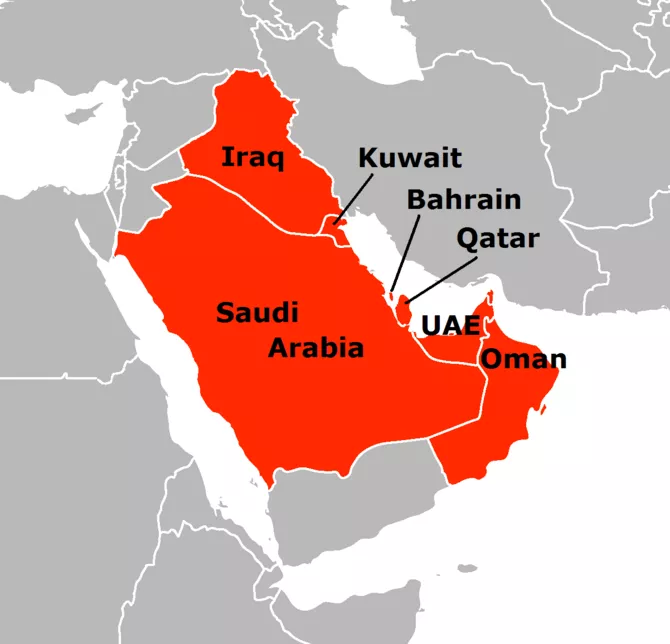
Photo: Wikimedia Commons
Capital with a Long Horizon: Why Gulf Money Is Different
The most important export of the Gulf states to the Caucasus and Central Asia is not culture or security-it is capital structured for endurance. Gulf sovereign wealth funds, state-backed energy firms, and logistics champions operate with balance sheets that allow them to absorb long payback periods and political risk. This makes them particularly well-suited to a region where infrastructure needs are vast, domestic capital markets are shallow, and external financing is often constrained.
In Kazakhstan, this model is now clearly visible. In May 2025, Astana and Abu Dhabi signed more than 20 commercial agreements reportedly exceeding $5 billion in value. These deals spanned energy, logistics, digital infrastructure, and industrial development. More importantly, Kazakh officials publicly framed the UAE relationship as a long-term economic pillar, setting a bilateral trade target of $1 billion. That framing matters: it signals that Gulf engagement is no longer treated as opportunistic or symbolic, but as programmatic and strategic.
Equally important is the Gulf’s corporate ecosystem. Investment is rarely standalone. It is bundled with execution capacity: renewable developers like Masdar and ACWA Power; logistics platforms such as AD Ports Group; and energy investment vehicles backed by state guarantees. This “invest-and-operate” model is often more attractive than “lend-and-leave,” particularly in environments where institutional capacity is still evolving.
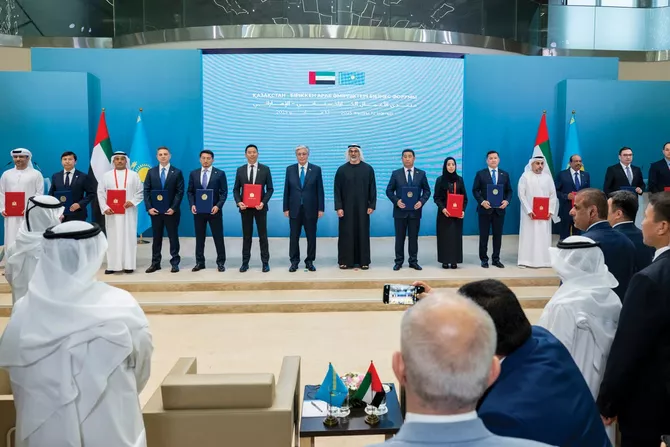
Photo: Akorda
Energy as Infrastructure Power: Building the Systems That Matter
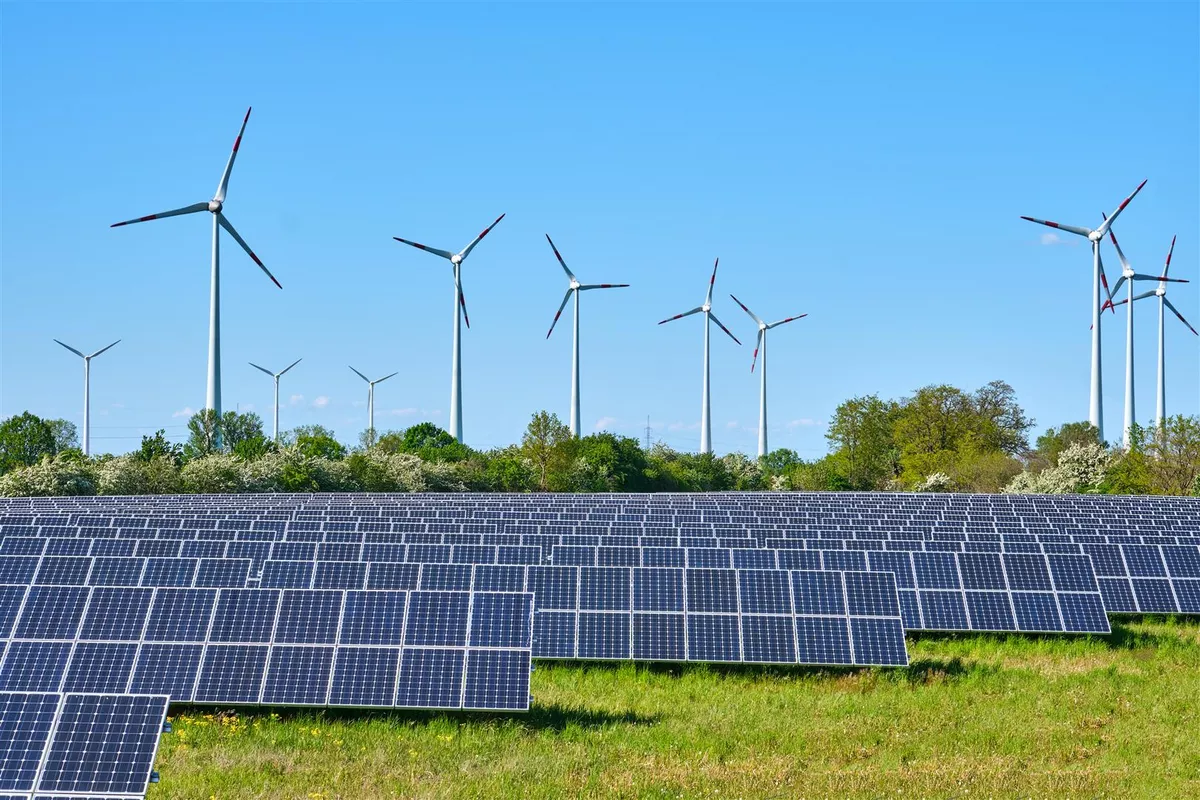
Energy has always been a strategic pillar in Eurasia, but what gives influence today is no longer limited to control over oil and gas flows. The focus is shifting toward the underlying systems that keep economies running: power generation mix, grid resilience, storage capacity, and the ability to balance supply reliably across seasons and borders. In this evolving landscape, influence belongs less to raw resource holders and more to those who can design, finance, and operate complex energy infrastructure.
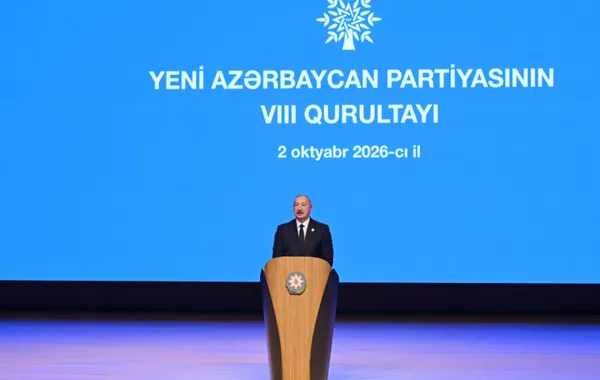
Azerbaijan illustrates this transition clearly. Historically defined by hydrocarbons, the country is now positioning itself as a regional energy hub that combines gas exports with renewable generation. Gulf involvement has been pivotal in turning that ambition into physical assets. The UAE-backed 230-megawatt Garadagh solar plant, constructed with approximately $262 million in foreign investment, produces around 500 million kilowatt-hours annually. According to official data, it saves roughly 110 million cubic meters of gas each year and cuts carbon emissions by about 200,000 tons.
By 2025, the cumulative impact of such projects had become measurable at the system level. Azerbaijani reporting attributed more than 2.3 billion kilowatt-hours of renewable output in 2025 to new facilities, with associated emissions reductions of roughly 860,000 tons of CO₂. While official figures should always be treated with caution, the broader point is clear: Gulf-backed renewables are now embedded in national energy statistics, not merely showcased as pilot projects.
Saudi Arabia’s role is also expanding. ACWA Power has emerged as a flagship partner in Azerbaijan’s wind energy ambitions, including agreements around a 240-megawatt wind project. More than the capacity itself, what matters is the institutional infrastructure being built alongside it: power-purchase agreements, grid-integration planning, and financing models that make renewables bankable at scale.
In Uzbekistan, Gulf involvement goes even further-toward redesigning the power system itself. In November 2025, Masdar signed an agreement for what it described as the country’s largest standalone battery energy storage project: 300 megawatts with 600 megawatt-hours of capacity in Navoiy. Storage is not politically glamorous, but it is strategically decisive. Without it, renewable expansion hits a ceiling. With it, grids become more resilient, gas can be freed for export, and energy sovereignty increases. By moving into storage, Gulf actors are positioning themselves at the core of Eurasia’s future energy architecture.
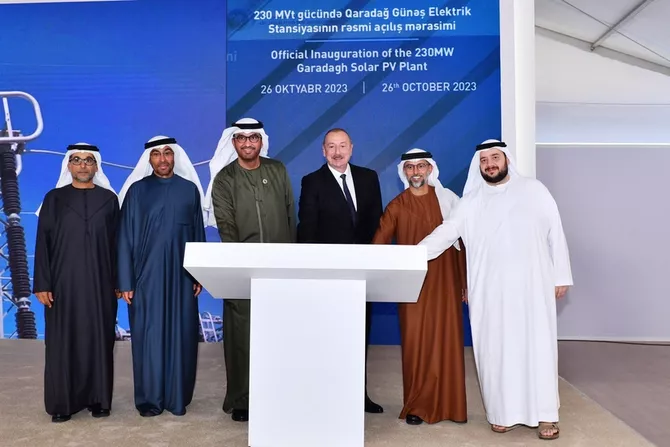
Photo: AZERTAC
Logistics and the Middle Corridor: Turning Geography into Throughput
Energy is only one pillar of Gulf engagement. The second is logistics-specifically, the development of the Trans-Caspian “Middle Corridor” linking China and Central Asia to the South Caucasus and onward to Europe. As geopolitical shocks disrupt traditional routes, this corridor has gained strategic relevance. The Gulf states see in it an opportunity that aligns neatly with their own ambitions as global trade hubs.
Here again, operational capacity matters as much as financing. Port operators and maritime logistics firms from the Gulf bring not only capital, but systems: terminal management, scheduling, fleet deployment, and integration into global shipping networks. In 2025, AD Ports Group significantly expanded its footprint in Kazakhstan, with reported investments reaching $775 million across multiple projects.
Crucially, these initiatives went beyond brick-and-mortar assets. Cooperation included plans for two container vessels designed specifically for Caspian Sea operations, each with a capacity exceeding 500 TEUs. In corridor politics, ships matter as much as rail lines. Without maritime capacity, the Middle Corridor risks remaining aspirational rather than operational.
The Gulf’s interest in the corridor reflects three overlapping priorities. First, diversification: logistics and trade infrastructure offer post-oil revenue streams. Second, integration: embedding Gulf ports and airlines into Eurasian supply chains reinforces their role as global hubs. Third, hedging: investing in multiple routes reduces exposure to chokepoints and geopolitical disruptions.
For the Caucasus and Central Asia, the appeal is straightforward. Gulf logistics investment is not just about financing terminals; it is about embedding those terminals into global networks. A port connected to a major operator’s client base can change trade patterns in ways that domestic investment alone cannot.
Why the Region Is Receptive
Three structural factors explain why Gulf engagement has gained traction.
First, hedging and optionality. Governments in the region are determined to avoid over-dependence on any single partner. Gulf capital provides leverage in negotiations with all others and offers flexibility when sanctions, politics, or market conditions constrain alternatives.
Second, modernization pressure. The region’s development agenda for the next decade centers on grid upgrades, storage, digital infrastructure, and diversified export corridors. These are capital-intensive, execution-heavy tasks-areas where Gulf firms have scale and speed.
Third, deal structure. Gulf projects often arrive as bundled packages: investment, operator expertise, and political backing. This compresses timelines and reduces coordination failures in bureaucratically complex environments.
The Energy-Transition Paradox
There is an apparent irony in hydrocarbon-rich Gulf states becoming leading exporters of renewable infrastructure. In reality, this reflects strategic foresight. The Gulf is preparing for a world in which influence is measured not only in barrels, but in electrons, infrastructure, and finance.
For Central Asia and the Caucasus, this creates a pragmatic alignment. Renewables and storage free gas for export, reduce domestic shortages, and support climate commitments. For the Gulf, Eurasia offers scale-a place where transition-era champions can build track records and geopolitical relevance.
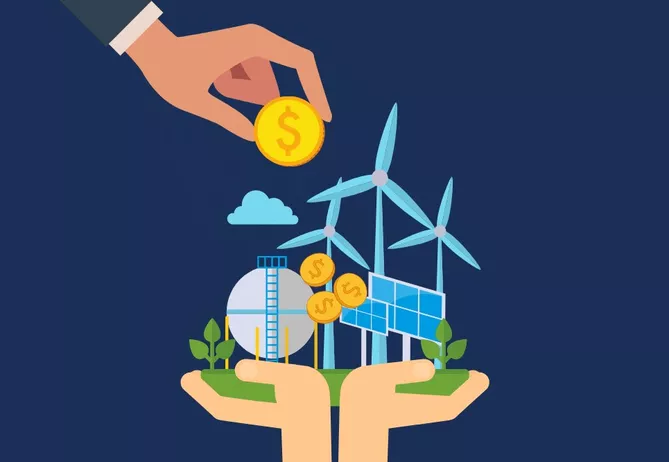
Photo: iStock
The Next Phase of Gulf Involvement
If the Gulf states are truly becoming structural players, several trends will confirm it:
Expansion of storage and grid-stability projects, not just wind and solar.
Further Caspian maritime capacity build-out, including vessels and terminals.
Hybrid “24-hour power” packages combining renewables and storage.
Equity stakes across energy value chains, including gas and power trading.
Continued diplomatic framing around connectivity and peace dividends.
Conclusion: A Fourth Vector Built on Capital and Pragmatism
The rise of the Gulf states in the Caucasus and Central Asia is not a geopolitical surprise; it is the logical convergence of regional need and Gulf capability. Eurasia requires fast, scalable investment in energy systems and connectivity. The Gulf requires durable influence beyond oil. The meeting point is infrastructure-quiet, technical, and profoundly strategic.
This is post-oil diplomacy in practice. Not a declaration of the end of hydrocarbons, but a strategy to ensure relevance regardless of their future. For the Caucasus and Central Asia, the payoff is not just money, but diversification. In a contested neighborhood, that may be the most valuable asset of all.