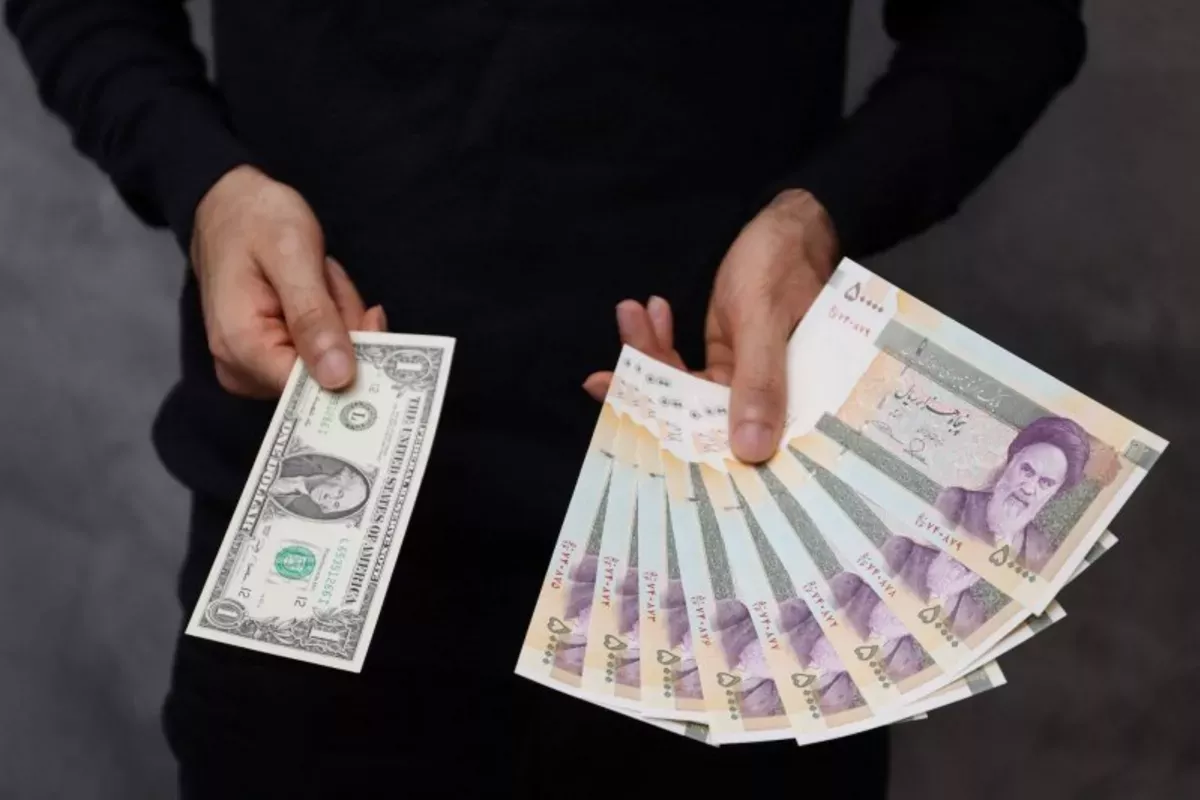
On January 27, 2026, Iran’s national currency fell to an unprecedented level on the unofficial exchange market, with the US dollar trading above 1.5 million rials. A figure that would have seemed implausible only a decade earlier, the new low was not triggered by a single event or sudden shock. Rather, it reflected the accumulated weight of prolonged sanctions, deep-rooted macroeconomic imbalances, persistent political uncertainty, and a long erosion of public confidence in the currency. While the headline rate drew immediate attention, the forces pushing the rial to this level have been at work for years and are unlikely to fade quickly in 2026 or beyond.
This article examines the underlying reasons behind the rial’s depreciation, the immediate factors that pushed it beyond the symbolic 1.5-million threshold, and the structural limitations shaping Iran’s currency outlook, using an evergreen and forward-looking perspective.
A milestone rooted in a longer decline
The January 27 drop did not occur in isolation. Over recent years, the rial has repeatedly broken through successive record lows, interrupted only by short-lived periods of relative stability. Each pause has eventually given way to renewed pressure as households and businesses seek protection by shifting into foreign currency, gold, or tangible assets.
Measured in nominal terms, the speed of depreciation has intensified. Adjusted for inflation, the damage to purchasing power has been even more pronounced. Wages paid in rials have struggled to keep pace with rising prices, while savings held in local currency have steadily eroded. This environment has entrenched a de facto dollarized mindset across large parts of the economy, despite official restrictions on holding foreign currency.
Photo: Shutterstock
Sanctions as the central constraint
Iran’s limited access to global markets remains the core weakness underpinning the rial. US-led sanctions continue to restrict oil exports, complicate financial transactions, and isolate Iranian banks from the international financial system. Even when oil finds buyers through discounted sales and intermediaries, revenues are often difficult to repatriate or are tied to import payments rather than freely usable foreign exchange reserves.
Sanctions also increase transaction costs throughout the economy. Importers pay more to secure goods via informal routes, exporters earn less than global market prices, and the state collects fewer hard-currency revenues than it otherwise would. The result is a persistent shortage of dollars and euros in domestic markets-precisely the environment in which currencies weaken, particularly in import-dependent economies.
Inflation and monetary pressures
Chronic inflation has been another major driver of depreciation. For years, Iran has struggled with elevated and volatile inflation, fueled by budget deficits, quasi-fiscal operations, and sustained monetary expansion. When public spending exceeds revenues-especially under sanctions that constrain oil income-the shortfall is frequently covered indirectly through the banking system.
Growth in the money supply, combined with weak productive investment, exerts steady downward pressure on the rial. Anticipating higher prices, households rush to convert rials into goods, foreign currency, or hard assets. This behavior becomes self-reinforcing: expectations of depreciation accelerate the very decline people seek to hedge against.
By early 2026, inflation expectations remained firmly elevated. Even when official data suggested temporary moderation, markets largely discounted those signals, focusing instead on deeper structural imbalances and future risks.
Exchange-rate fragmentation and credibility erosion
Iran’s exchange-rate regime has long been fragmented. Alongside the unofficial or “free” market rate-where the dollar crossed 1.5 million rials-multiple official and semi-official rates are used for specific imports, government transactions, and accounting purposes.
This multi-tiered system distorts incentives and creates arbitrage opportunities, undermining confidence in currency management. Businesses frequently price goods based on the highest expected replacement cost, typically the free-market rate, regardless of the rate they officially access. Over time, the widening gap between official and market rates signals policy inconsistency, encouraging speculation rather than anchoring expectations.
Repeated efforts to narrow or unify exchange rates have failed, largely because the fundamental shortage of foreign currency has remained unresolved.
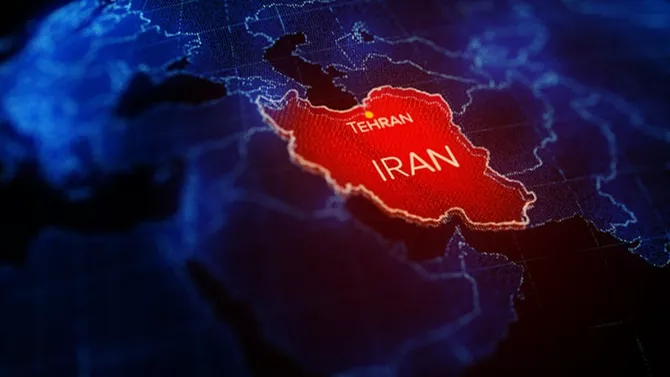
Photo: Adobe Stock
Political uncertainty and added risk premiums
Foreign-exchange markets react quickly to political signals, and the rial is particularly sensitive. Regional tensions, uncertainty surrounding nuclear diplomacy, and shifts in US and European policy directly influence exchange-rate expectations.
In late 2025 and early 2026, renewed ambiguity over diplomatic prospects added a clear risk premium to the rial. Market participants priced in the possibility of stricter sanctions enforcement or prolonged delays in relief, driving demand for dollars even without immediate policy changes.
In such an environment, even rumors or ambiguous statements can move the market-especially when trust in official reassurances is already fragile.
Central bank responses-and their limits
The Central Bank of Iran has relied on familiar measures: periodic market intervention, tighter controls on currency trading, and efforts to channel foreign exchange into official systems. At times, these steps have slowed the rial’s decline or produced brief rebounds.
Yet structural limits constrain their impact. Foreign reserves are finite, and sustained intervention without new inflows risks depletion. Administrative restrictions can suppress visible trading but often drive activity further underground rather than addressing underlying imbalances.
As a result, policy actions tend to buy time rather than change direction. Market participants have learned to wait out interventions, contributing to the recurring pattern of stabilization followed by renewed depreciation.
The unofficial market as a signal
That the 1.5-million milestone emerged on the unofficial market is significant. Although technically illegal, this market serves as the primary price-discovery mechanism for the rial. It reflects real-time assessments of supply, demand, and risk far more accurately than official rates.
For ordinary Iranians, the unofficial rate has immediate relevance. It influences prices of imported goods, electronics, medicines, and even domestically produced items that rely on foreign inputs. When the free-market rate moves, inflation expectations adjust almost instantly.
Crossing major round-number thresholds-first one million, then 1.2 million, and now 1.5 million-has also had a strong psychological effect, reinforcing perceptions of persistent decline.
Social and economic fallout
Depreciation carries clear social consequences. As the rial weakens, purchasing power declines, hitting fixed-income households and public-sector workers hardest. Essential imports grow more expensive, while businesses face rising costs for inputs, equipment, and spare parts.
These pressures widen inequality. Those with access to foreign currency, overseas income, or inflation-hedging assets are better insulated. Those without such buffers absorb the bulk of the adjustment.
Over time, this imbalance can fuel social discontent, which in turn adds another layer of political risk-feeding back into currency markets.
Broader comparisons
While Iran’s situation is extreme in scale, it is not unique in type. Other economies under sanctions or prolonged crisis have experienced similar currency spirals when external constraints intersect with domestic imbalances. The distinguishing feature in Iran’s case is duration: the rial has been under pressure for so long that depreciation has become normalized.
International institutions have consistently emphasized the need for fiscal discipline, credible monetary policy, and exchange-rate reform to restore stability. In Iran, progress in these areas has been uneven, constrained by both internal politics and external geopolitics.
Conclusion
The rial’s fall beyond 1.5 million per dollar on January 27, 2026, was a striking headline-but not a turning point. It reflected years of accumulated strain rather than a sudden rupture. Sanctions, inflation, fragmented policy frameworks, and political risk have steadily eroded confidence in the currency, and none can be resolved in isolation.
Viewed this way, the January record is less an endpoint than a snapshot of an ongoing process. Until structural constraints ease and credibility is restored, the rial’s future will continue to be shaped not by short-term interventions, but by the broader economic and geopolitical environment surrounding Iran and its capital, Tehran.