Towards NATO 3.0: Path and the Future of the Alliance
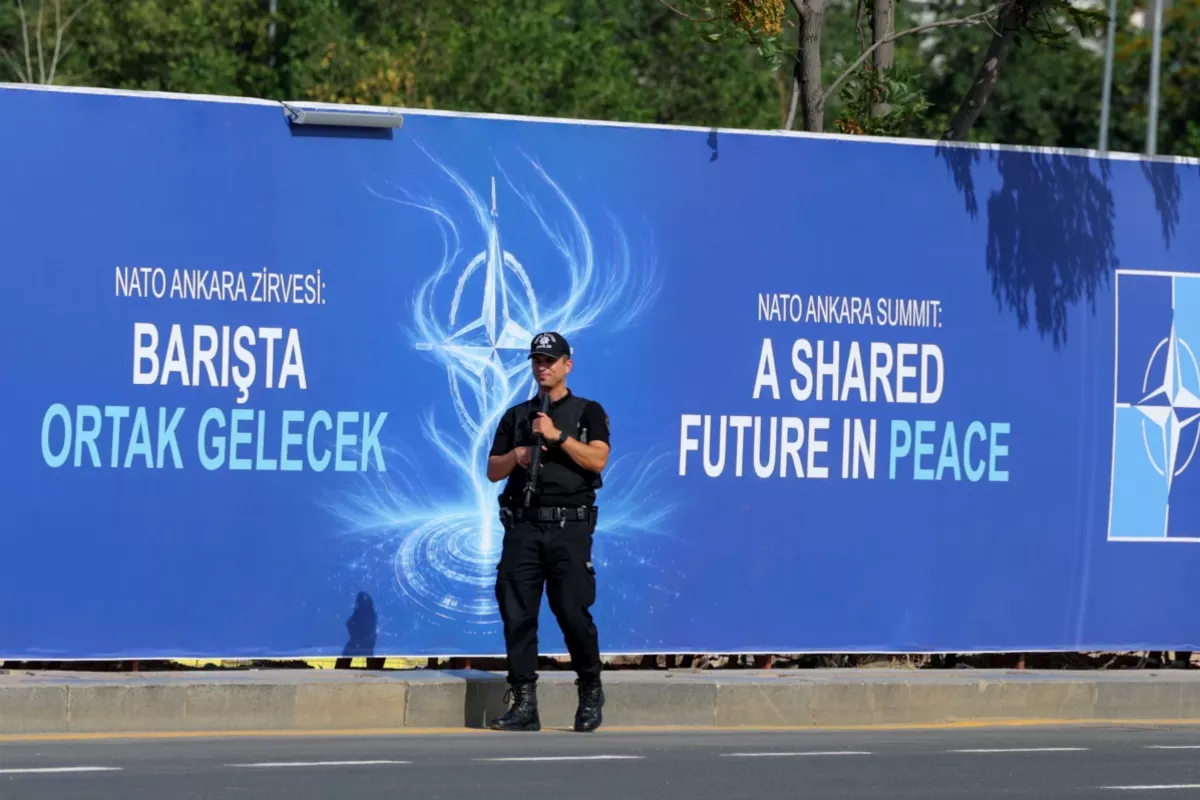
As the global security architecture faces its most severe test in decades, the upcoming NATO summit in Ankara arrives at a critical juncture. Looking back, NATO has undergone a lot of profoundly transformative moments throughout history. During the Cold War, the core of NATO successfully protected Europe for decades, operating securely under the American umbrella. Then came the historic fall of the Berlin Wall and the subsequent implosion of the Soviet Union, which forced the alliance to adapt to an entirely new world order.
Following that monumental shift, NATO developed into what can be qualified as an expeditionary NATO. Afghanistan provides a useful example. While it began as an initial US-led intervention under the name of Operation Enduring Freedom, it soon evolved into a NATO-commanded mission conducted under a United Nations Security Council resolution. Today, another profound evolution is underway. NATO is now operating in an increasingly complex artificial intelligence environment, facing the realities of hybrid wars, and therefore must actively prepare for them. In essence, the alliance is currently on the road to what might be termed NATO 3.0.
Agenda in Ankara: Burden-sharing and border defense
As the alliance steps into this 3.0 era, the upcoming summit in Ankara should -and will, one assumes- produce much-needed consensus on a number of critically important issues. One major priority is ensuring that the member allies truly live up to their financial obligations. Allies promised in The Hague last year that they would increase their defense spending to 3.5% plus 1.5%, 5% in total. Ankara will be actively taking stock of that obligation to ensure the alliance remains well-resourced.
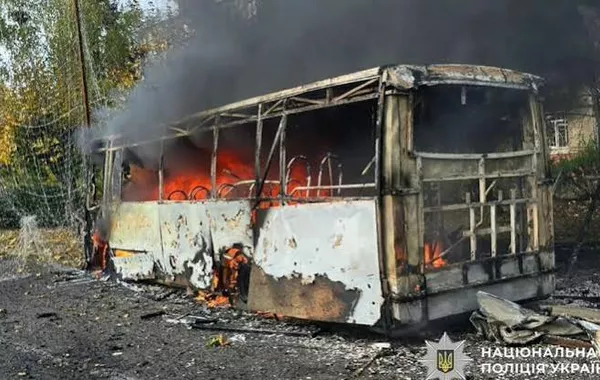
Beyond the realm of finances, the alliance must navigate through the ongoing war in Ukraine, as well as a very complicated, volatile situation in the Middle East. While it is not for NATO to act directly in the Middle East, the reality is that global security is indivisible. On the other hand, the Russia-Ukraine war will go on, killing thousands. That ongoing tragedy is highly relevant for the alliance, simply because the robust defense of NATO's eastern flank has been, and absolutely should remain, a very prominent priority.
Resilience and global reach: Proving the skeptics wrong
Despite persistent rumors and occasional pessimistic forecasts regarding its demise amidst these crises, NATO will not fracture. The alliance has been declared terminally ill or even dead many times throughout its history, yet it has continuously adapted and survived.
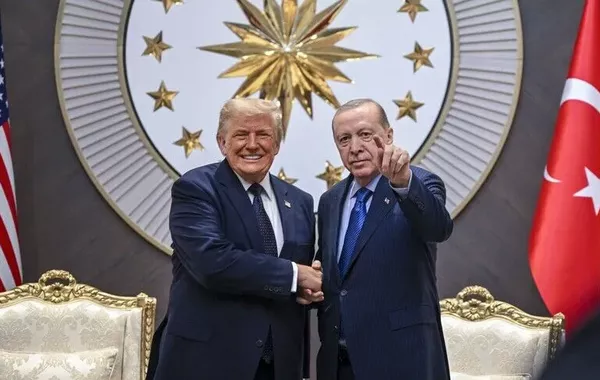
As part of that ongoing adaptation, NATO is politically interested in and deeply invested in what is happening globally, including developments in China and the broader Indo-Pacific region. Not that NATO is planning to act there directly in a military capacity, but again, global security is indivisible. As far as its traditional role goes, the alliance is and will be robust and highly effective on one strict condition that European allies step up to take a much larger share of the overall responsibility, particularly regarding defense spending. In that specific regard, President Trump, whatever way you choose to look at it, is right.
Balancing regional priorities
While internal debates over burden-sharing continue, looking closely at regional priorities in the coming years reveals that the primary focus is definitely on the eastern flank of NATO. However, from the vantage point of Türkiye, it is clear that NATO should not and cannot neglect the southern flank either. This region is highly relevant for Türkiye and, by definition, inherently relevant for the security of NATO as a whole. But at this precise moment, the most pressing, existential threat is coming directly from the Russian Federation as it continues to wage a war of aggression against Ukraine.
Türkiye’s strategic gravitas
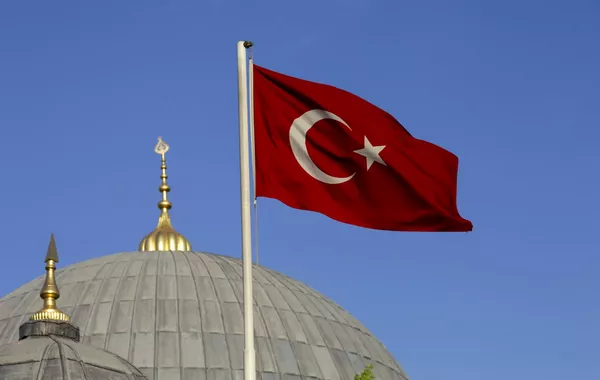
Given these immense regional pressures, the decision to hold the summit in Türkiye this year is a significant and timely recognition of the country's status as a formidable middle power. With a dynamic population of over 80 million people and a huge, highly capable standing army, the country brings a big added value to the NATO alliance. After the year 2004, when the summit was previously held in Istanbul, it is certainly time that Türkiye once again acts as the host. It is a clear recognition of the gravitas, both the political and military weight, that Türkiye is carrying with itself on the global stage. That is exactly why the alliance has to step up its ambition to defend its flanks effectively, and within that strategy, Türkiye plays a vitally important role.
The future scenario: "Europeanization" of security
With key players like Türkiye anchoring the flanks, the future trajectory of the broader alliance should be based on a strongly consensual scenario, specifically, a scenario where the European NATO allies finally take considerably more responsibility for their own security. The growing sentiment, especially of Trump, that Europe should do much more as an allied partner is completely valid.
Therefore, we will very likely see a gradual "Europeanization" of NATO within its central command structure. Ultimately, Europe must and should be increasingly capable of defending itself without relying entirely on direct US military support. This shift, however, operates on the foundational presumption that the ultimate nuclear guarantee provided by the alliance will stay firmly in place. And looking at the strength of the partnership, I fully trust that that crucial guarantee will remain intact.
Find the original article here