photo: Twitter
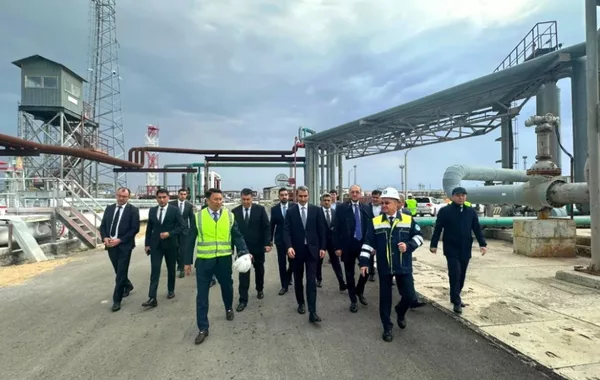
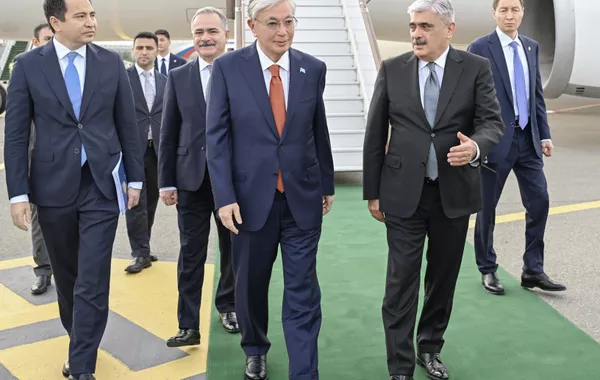
Japan is considering diversifying its energy imports by turning to Azerbaijan, as tensions in the Middle East disrupt key oil shipping routes and raise concerns over supply stability.
Chief Cabinet Secretary Minoru Kihara dismissed claims that the country could face a shortage of naphtha-a crucial oil-derived feedstock used in plastics production-as early as June, The Caspian Post reports via Japanese media.
Kihara noted that Japan currently holds about four months of reserves, including two months of imported naphtha and two months of intermediate chemical products.
“There are no supply-demand imbalances; the country has secured sufficient volumes,” he stated.
Earlier, Prime Minister Sanae Takaichi noted that reserves could be extended to more than six months by diversifying imports beyond the Middle East.
The shift comes after tensions involving Iran, United States, and Israel led to disruptions in the Strait of Hormuz-a critical artery for global oil transport-causing supply bottlenecks and price volatility.
Tokyo is now exploring alternative supply routes via the Red Sea and weighing increased oil purchases not only from Azerbaijan but also from Kazakhstan.
Shunichi Suzuki, Secretary-General of the Liberal Democratic Party, warned that if the situation worsens, citizens may be urged to conserve energy, while strategic reserves could be tapped if necessary.
The disruptions are already rippling through Japan’s industrial sector. Mazda has paused vehicle production for the Middle East until May, while maintaining output for Europe and the US Meanwhile, Toyota and Nissan are scaling back production.
Share on social media