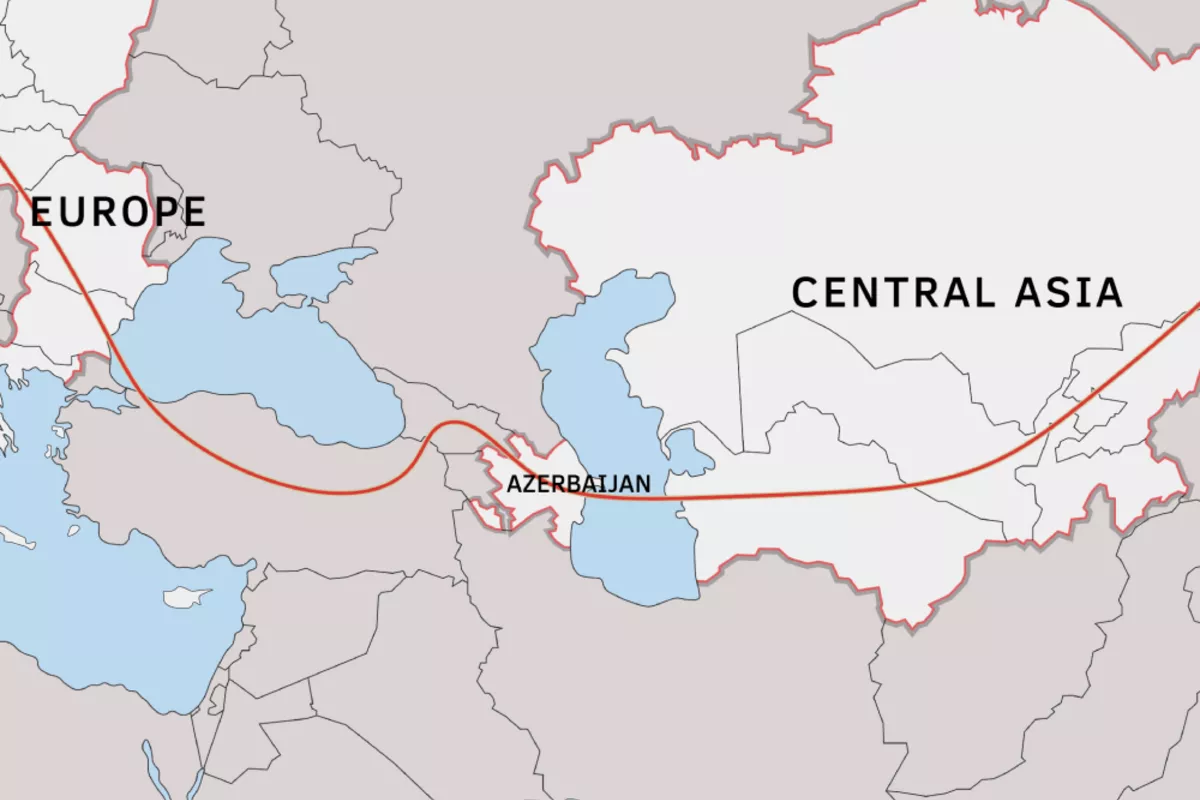
For many decades, Central Asia has been seen mainly through the lens of geography. Cooperation with neighboring states, such as Azerbaijan, was generally perceived as external or sector-specific, while the five post-Soviet republics defined the region. Today, that understanding is rapidly becoming outdated.
The Greater Caspian Region is currently experiencing a profound yet understated geopolitical transformation. Rather than merely expanding bilateral cooperation, Azerbaijan and the Central Asian states are jointly shaping a new regional architecture that reflects their increasingly converging political, economic, and strategic priorities.
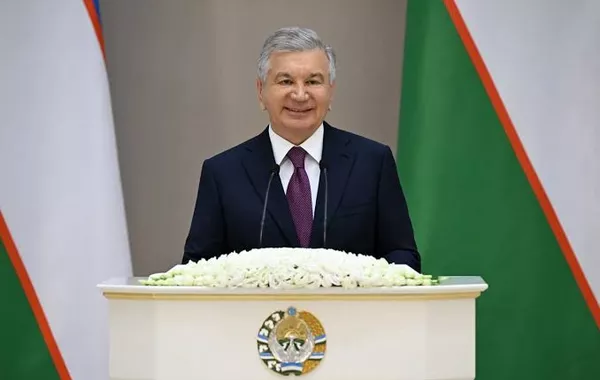
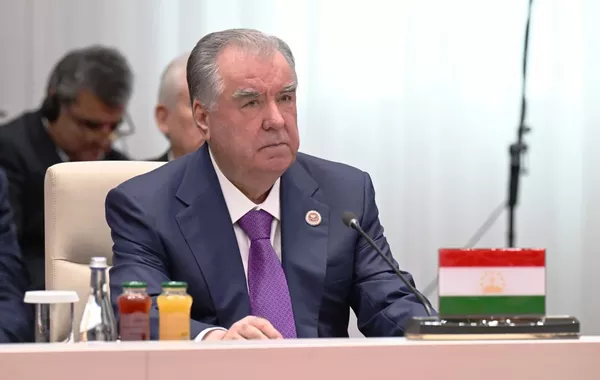
On July 31, the informal meeting of the Heads of State of Azerbaijan and Central Asia in Cholpon-Ata exemplified this transformation with unprecedented clarity. Cholpon-Ata’s language was also noteworthy in that it directly complemented the political vision that had been expressed at the previous Consultative Meeting in Tashkent in November 2025. On that occasion, President Ilham Aliyev observed that “Central Asia and Azerbaijan today form a single geopolitical and geo-economic region,” underscoring the growing strategic convergence between the sides. At the informal summit in Cholpon-Ata in July 2026, President Kassym-Jomart Tokayev described Azerbaijan’s participation as a new stage in the evolution of the Consultative Meetings, emphasizing that it would deepen political dialogue, expand cooperation in investment, energy, and industry, and contribute to the development of an integrated regional transport and logistics system. Uzbek President Shavkat Mirziyoyev elaborated on this concept by stating that Azerbaijan’s participation in the Consultative Meetings had elevated cooperation to a “qualitatively new macro-regional level”. Kyrgyz President Sadyr Japarov highlighted the shared history and cultural affinity of the participating countries, while emphasizing the potential for closer tourism cooperation and proposing a common tourist visa for Central Asia and Azerbaijan.
aken together, these statements suggest a shared understanding among regional leaders that cooperation is moving beyond conventional interstate relations toward a broader regional architecture. Strategic partnerships, new institutional mechanisms, and an expanding common regional agenda are increasingly shaping what began as a political vision less than a year after the Tashkent meeting.
Bilateral partnerships have laid the foundation for regional cooperation
This transformation is the result of a decade of steadily expanding bilateral relations that are now beginning to reinforce one another. Uzbekistan has emerged as one of Azerbaijan’s closest regional partners. The Treaty on Allied Relations, signed on August 23, 2024, institutionalized a relationship that had already been expanding rapidly across investment, industrial cooperation, transport, renewable energy, and digital connectivity. More importantly, it demonstrated that Tashkent is increasingly considering Azerbaijan as a component of a shared regional future, rather than merely a partner across the Caspian.
A comparable trajectory has been pursued by Kazakhstan. Political dialogue between Azerbaijan and Kazakhstan has developed into strategic cooperation across trade, investment, energy, maritime transport, logistics, and digital connectivity, supported by joint investment mechanisms, port cooperation, energy projects, and the trans-Caspian fiber-optic cable currently being laid between Azerbaijan and Kazakhstan.
Relations with Kyrgyzstan have also undergone a rapid transformation. The Treaty on Allied Relations was signed by Presidents Ilham Aliyev and Sadyr Japarov on July 31, 2026, following the establishment of a Strategic Partnership in April 2024. The treaty elevated bilateral relations to their highest political level. The speed of this progression reflects the growing political trust between the two countries and the broader trend toward deeper regional cooperation.
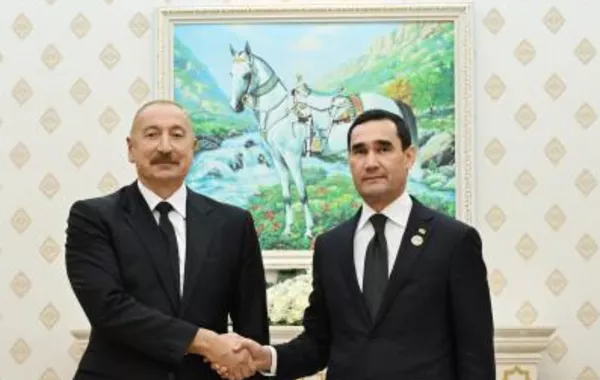
The relationship with Turkmenistan has also entered a new phase of strategic collaboration. During his state visit to Azerbaijan on June 22-23, 2026, President Serdar Berdimuhamedov reaffirmed both countries’ commitment to expanding cooperation. The comprehensive package of agreements signed during the visit reflected the expanding scope of the bilateral agenda.
Tajikistan has consistently enhanced its political dialogue with Azerbaijan, despite its more modest economic engagement. This reflects a broader recognition that regional cooperation is expanding beyond traditional bilateral engagement.
Taken together, these bilateral partnerships reveal a broader strategic trend. Rather than developing in isolation, they increasingly reinforce one another, creating the political foundations for a wider regional framework.
The Rise of Flexible Regionalism
Minilateral cooperation has also become an increasingly important feature of this evolving regional architecture. Azerbaijan and the Central Asian states have increasingly resorted to flexible trilateral formats to expedite practical cooperation and implement shared priorities as bilateral relations have intensified.
The Azerbaijan-Turkmenistan-Uzbekistan trilateral format is perhaps the clearest example, providing a platform for advancing cooperation in transport and logistics, trade, investment, energy, and connectivity across the Caspian. A parallel trilateral format has emerged among Azerbaijan, Kazakhstan, and Uzbekistan in the field of green energy. In November 2024, the three countries signed an agreement on strategic partnership in the development and transmission of renewable energy, followed by the establishment of the Green Corridor Alliance to advance the project.
These smaller formats should not be viewed as alternatives to regional institutions. Instead, they complement the C6 framework by translating broader political commitments into tangible projects. Mutually reinforcing layers of an increasingly integrated regional architecture are formed by bilateral strategic partnerships, minilateral cooperation, and the Consultative Meetings together.
The C6 and the Future of Regional Cooperation
This expansion of regional cooperation is not the only significant aspect of these developments. Azerbaijan’s participation has broadened the strategic horizon of the Consultative Meetings by adding a trans-Caspian dimension to a format previously limited to the five Central Asian states. This has created new opportunities to coordinate policies on transport, energy, trade, investment, and digital connectivity, as well as the reinforcement of connections between Central Asia, the South Caucasus, Türkiye, and European markets.
Additionally, the C6 format has improved the region’s capacity to communicate shared priorities. The C6 provides Azerbaijan and the Central Asian states with a stronger platform for coordinating regional initiatives, reducing external vulnerabilities, and engaging international partners with greater coherence and strategic confidence.
This process will be more reliant on the establishment of deeper institutionalization than on new political declarations in the subsequent stage. Harmonized investment frameworks, permanent coordination mechanisms, coordinated digital initiatives, closer parliamentary and think tank cooperation, and regular ministerial consultations could transform the political momentum of today into a durable regional architecture.
Ultimately, the significance of the C6 is indicative of the gradual emergence of a new model of regional cooperation, which is influenced by the priorities of the countries and is bolstered by complementary bilateral, trilateral, and multilateral partnerships.
If sustained, this process could become one of the most consequential geopolitical developments in contemporary Eurasia. The Caspian is no longer merely a bridge between two neighboring regions; it is increasingly becoming the political and strategic center of a more cohesive macro-regional space.
See the original article here