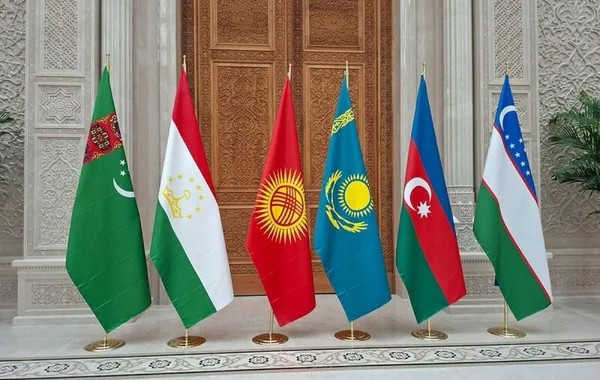
For Central Asia, the war between Russia and Ukraine did not so much overturn the region’s economic model as it accelerated trends that were already embedded in its political economy. Long before 2022, Central Asian states were heavily dependent on a limited number of trade corridors, relied on strong state involvement in finance and logistics, and occupied a structural position as intermediaries between larger markets. What changed after Russia’s full-scale invasion of Ukraine was the strategic weight of this intermediary role. The region’s function as a bridge did not disappear-it became contested, scrutinized, and politically sensitive.
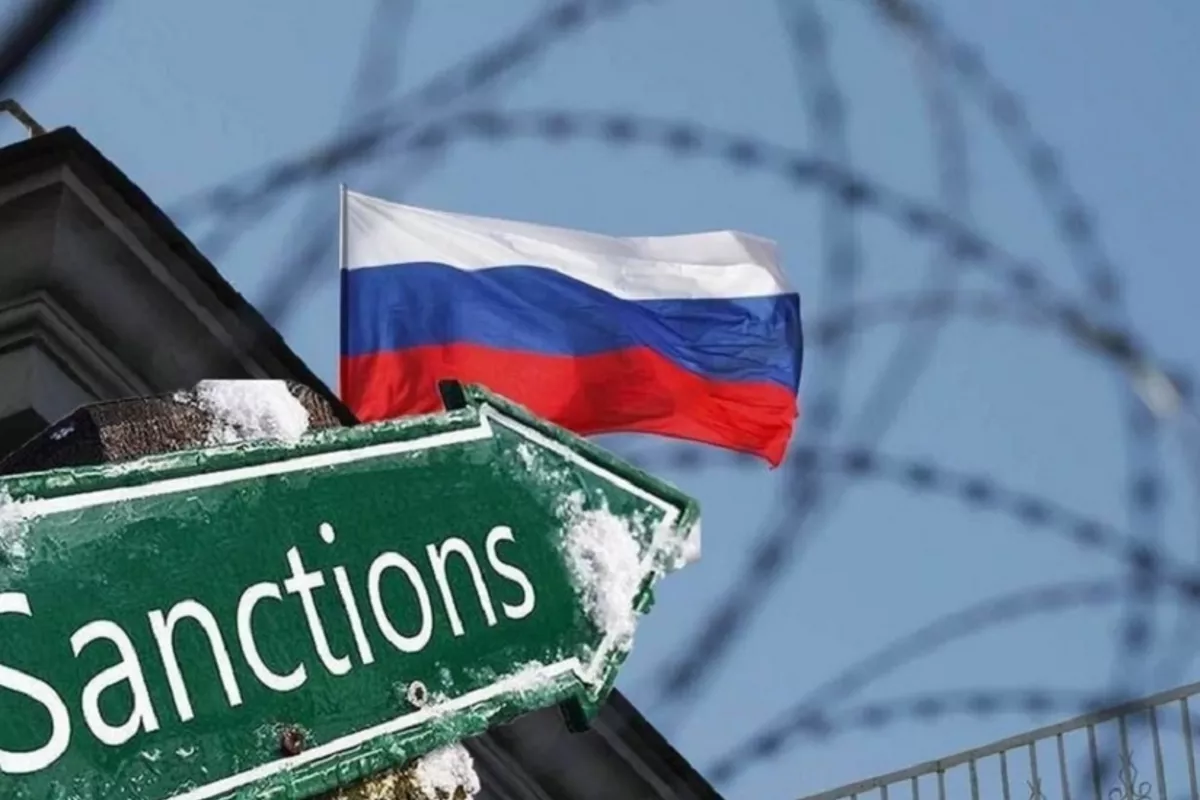
As Western sanctions on Russia expanded, trade flows, payment systems, and procurement networks were forced to adapt. Many of these adaptations unfolded through third countries, with Central Asia emerging as one of the key transit zones. Governments across the region now face a persistent and uncomfortable dilemma. On one hand, rerouted trade and transit activity generate revenue, employment, and customs income. On the other, deeper involvement in these flows increases exposure to secondary sanctions, reputational damage, and the risk of financial isolation from Western markets.
Sanctions spillover operates on multiple levels. There is a visible layer, marked by rising trade volumes, new logistics hubs, and impressive headline figures for exports and re-exports. Beneath that sits a less visible but more consequential layer: compliance risk, heightened scrutiny of banks, export-control enforcement, and the political signaling that comes with being identified as a potential “transshipment hub” for sanctioned goods. Even where governments insist they are meeting international obligations, Western regulators are increasingly focused on trade routes themselves, not only on final destinations. In today’s Eurasian geography, many of those routes pass through Central Asia.
What follows is an examination of how sanctions spillover works in practice, why Central Asia is especially exposed, and how the region’s governments are navigating pressures that are unlikely to fade any time soon.
Why Central Asia Is Especially Vulnerable to Sanctions Spillover
Central Asia’s exposure to sanctions spillover is rooted in a combination of geography, economic structure, and institutional capacity. The region’s landlocked nature concentrates trade flows through a limited number of border crossings, rail lines, and logistics hubs. When one corridor becomes politically or legally sensitive, traffic does not disappear-it shifts. This makes rerouting relatively easy and rapid, particularly when neighboring states operate under different regulatory regimes.
The structure of domestic economies compounds this exposure. Most Central Asian countries rely heavily on imports for consumer goods, industrial inputs, and technology. Domestic manufacturing bases remain limited, which allows re-exported goods to blend into ordinary trade flows without immediately raising red flags. Distinguishing between imports intended for local consumption and those destined for onward shipment can be administratively difficult, especially in environments with weak end-user verification.
Regional trade frameworks also play a role. Membership in the Eurasian Economic Union (EAEU) facilitates the movement of goods between member states and Russia. Moscow’s introduction of a “parallel imports” regime-allowing branded goods to be imported without the consent of rights holders-created a powerful commercial incentive for intermediaries in neighboring markets. Central Asian firms, particularly in EAEU states, found themselves pulled into supply chains designed to bypass formal restrictions.
The result was not a sudden surge in domestic demand, but a predictable redirection of trade. Vehicles, electronics, industrial machinery, and items with potential dual-use applications became focal points. Investigative reporting has documented how countries such as Kyrgyzstan emerged as intermediary routes for goods ultimately reaching Russia despite sanctions. In this sense, Central Asia’s role is less about intent and more about structural convenience.
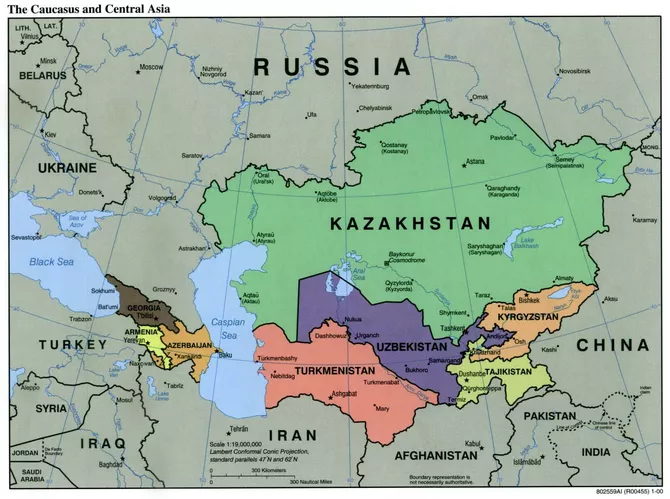
Photo: CSIS
How Rerouted Trade Actually Works
Sanctions evasion is often imagined as a single illegal activity, but in reality it exists along a continuum. At one end are entirely legal adjustments, where companies avoid direct engagement with Russia but continue serving demand through permitted channels. These shifts may be commercially motivated and technically compliant, even if they undermine the spirit of sanctions.
Further along the spectrum lies what might be described as grey-zone trade. Goods are shipped to Central Asia under the guise of domestic consumption, with weak or nonexistent checks on final use. From there, they are quietly re-exported to Russia. Documentation may be incomplete rather than falsified, and deniability remains high.
At the far end are clearly illegal procurement networks. These involve deliberate misrepresentation of end users, shell companies, falsified paperwork, and payment laundering. While this activity exists globally, it attracts the most attention when linked to sensitive technologies or military applications.
Central Asia appears across all three categories, but Western enforcement efforts increasingly concentrate on the grey zone. This is where volumes are large, legal ambiguity persists, and governments struggle to demonstrate effective control. A common pattern has emerged: goods originating in the EU or the United States are sold to distributors in third countries, shipped to Central Asian importers, and then resold onward to Russia. In cases involving sensitive technology, supply chains may be even more complex, with components sourced in Asia, routed through multiple intermediaries, and eventually integrated into Russian production networks. Reporting on drone components and other restricted technologies has highlighted how such chains can intersect with Central Asian transit routes.
Country Responses Compared: One Region, Unequal Exposure, Different Risk Strategies
Although sanctions spillover affects all Central Asian states, its impact is uneven, shaped by differences in economic size, financial integration, institutional capacity, and geopolitical positioning. What looks like a single regional phenomenon in Western enforcement frameworks translates into very different national experiences on the ground.
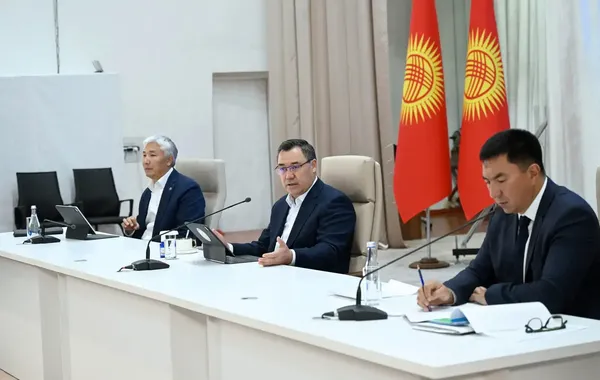
At one end of the spectrum is Kyrgyzstan, where the spillover effect has been most visible and most disruptive. A sharp post-2022 surge in trade with Russia-particularly re-exports-placed the country under sustained international scrutiny. Initially, attention focused on goods flows, but enforcement soon shifted toward the financial system. The inclusion of Kyrgyz financial institutions in EU sanctions packages marked a decisive escalation, signaling that Western regulators now view payment channels, not just customs routes, as the critical vulnerability. This has had systemic consequences: heightened compliance costs, pressure on correspondent banking relationships, slower transactions for legitimate businesses, and a reputational risk that extends far beyond the entities directly targeted. As formal banking channels became more constrained, alternative payment mechanisms-including crypto-based solutions-expanded, further reinforcing external perceptions of Kyrgyzstan as a high-risk transit and finance corridor.
Kazakhstan occupies a markedly different position. As the region’s largest economy and one deeply embedded in global energy, finance, and insurance markets, it is far more sensitive to reputational damage in Europe and North America. Astana’s response has therefore emphasized what might be called managed compliance. Publicly, Kazakh officials stress that the country does not enforce foreign sanctions, framing this stance in terms of sovereignty and the need to maintain stable relations with Russia. Privately and administratively, however, controls have tightened in precisely those areas most likely to trigger Western enforcement-particularly exports of dual-use goods and sensitive technologies. This calibrated approach reflects a clear strategic calculation: Kazakhstan cannot afford a rupture with Western markets, nor can it afford a political confrontation with Moscow. The balancing act is further complicated by Kazakhstan’s ambitions to position itself as a key node in the Middle Corridor linking China and Europe. For that strategy to succeed, the country must be seen as a clean, predictable transit hub with credible customs and banking governance-something that persistent sanctions-evasion allegations would directly undermine.
Uzbekistan sits somewhere between these two models, functioning as what could be described as a regional “compliance swing state.” Not being a member of the Eurasian Economic Union gives Tashkent greater formal control over its trade policy, but geography and scale still place it squarely within sanctions-monitoring frameworks. Uzbekistan’s leadership is actively courting foreign investment, industrial upgrading, and technology transfer-objectives that depend on maintaining good standing with Western institutions. At the same time, the country benefits economically from expanded regional connectivity and the rerouting of trade flows away from Russia. Enforcement actions involving firms linked to Uzbekistan, along with broader EU measures targeting third-country intermediaries, have reinforced the need for careful calibration. Too little visible compliance invites pressure and reputational risk; too much risks straining relations with Russia. As a result, Uzbekistan has tended to signal cooperation while adjusting enforcement intensity incrementally rather than decisively.
For Tajikistan and smaller Central Asian economies, sanctions spillover presents the harshest tradeoffs. Limited administrative capacity constrains their ability to implement sophisticated export-control regimes, while small and concentrated banking sectors make them particularly vulnerable if even a single institution is sanctioned. When pressure does arrive, it rarely takes the form of sudden collapse. Instead, it manifests as a slow squeeze: higher transaction costs, reduced access to trade finance, growing reluctance among global banks to engage, and gradual de-risking that affects the wider economy. In these contexts, short-term gains from rerouted trade can be quickly outweighed by longer-term financial isolation and reduced development options.
Taken together, these country experiences illustrate a central reality of sanctions spillover in Central Asia: the region is treated increasingly as a single transit system by Western enforcement authorities, but its states experience the costs and benefits very differently. Larger, more globally integrated economies can absorb pressure through selective compliance and signaling, while smaller or less diversified states face sharper and more immediate constraints. As enforcement shifts from tracking goods to monitoring systems-especially finance and compliance-the divergence between national capacities is becoming one of the defining fault lines in Central Asia’s political economy.
How Western Enforcement Is Changing
Since 2024, Western sanctions enforcement has evolved significantly. The emphasis has shifted from expanding lists of sanctioned entities to reshaping systems. Export controls on dual-use and advanced technologies have been tightened, while the European Commission has moved to consolidate authority in order to close loopholes more quickly.
In parallel, the United States has continued to target networks involved in sanctions evasion, including designating financial institutions linked to such activity. The focus is increasingly on end-use verification, licensing regimes, and banking compliance rather than individual shipments.
For Central Asia, this evolution matters because it reduces the space for ambiguity. As enforcement becomes more systemic, it becomes harder to rely on informal practices or plausible deniability. Countries cannot simply wait for the pressure to pass; the underlying architecture of trade and finance is being reconfigured.
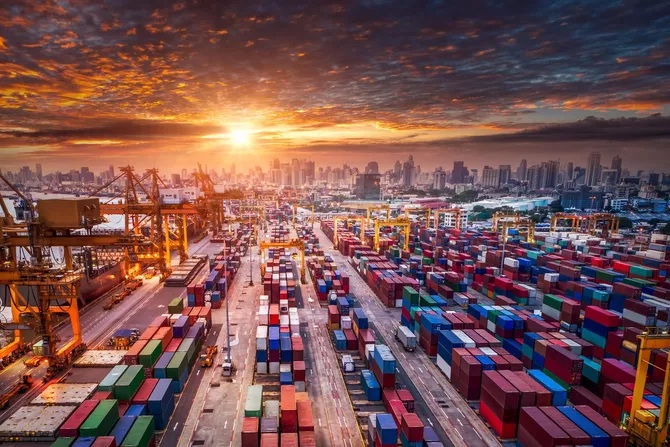
Photo: iStock
The Hidden Costs Behind the Trade Boom
At first glance, sanctions spillover can look like an economic opportunity. Trade volumes rise, customs revenues increase, and logistics sectors expand. Over time, however, less visible costs accumulate.
Financial isolation is one risk. Once a country acquires a reputation as a high-risk jurisdiction, banks face incentives to tighten standards across the board, affecting even routine trade and small businesses. Reputation damage can also raise borrowing costs and deter long-term investment.
There are domestic political costs as well. Surging trade creates opportunities for rent-seeking and corruption, particularly in customs and logistics. These dynamics can entrench vested interests that later resist reform. Strategically, dependence on sanctions-related trade rents creates vulnerability to sudden policy shifts in Brussels, London, or Washington.
Public pushback by governments against Western measures, often framed as defending sovereignty, illustrates how quickly economic pressure can become politicized at home.
What Governments Can Realistically Do
There is no perfect solution, and no Central Asian government can eliminate risk entirely without making choices it may find unacceptable. Still, practical steps exist that reduce exposure without forcing a stark geopolitical alignment.
Focusing enforcement capacity on a narrow band of high-risk goods-particularly dual-use items-can deliver outsized benefits. Clear and transparent export and re-export rules help legitimate businesses while reducing grey-zone activity. Strengthening banking compliance, transaction monitoring, and cooperation channels helps preserve correspondent relationships.
Even modest end-user verification for sensitive imports can signal seriousness to external partners. Most importantly, governments need to separate long-term transit strategies from short-term sanctions arbitrage. If ambitions around the Middle Corridor are genuine, the region must be seen as predictable and credible by global insurers, banks, and logistics firms.
A Spillover That Is Here to Stay
Sanctions spillover is no longer a temporary side effect of war. It is becoming a permanent feature of Eurasian trade. As long as Russia remains heavily sanctioned and global firms remain risk-averse, rerouted trade will persist. At the same time, enforcement will continue to tighten, shifting attention from borders to balance sheets and from containers to compliance systems.
Central Asia will continue to benefit from its geography. But geography alone will not shield it from the next phase of pressure, which is less about visible trade flows and more about payments, credibility, and institutional capacity. Countries that treat sanctions spillover as a technical customs issue will remain exposed. Those that approach it as a question of state capacity and long-term reputation will be better positioned-no matter how global politics evolves in the years ahead.