Source: Getty Images
Russia's pipeline natural gas exports to Uzbekistan are expected to exceed 10 billion cubic metres (bcm) in 2026 as the Central Asian country increasingly turns to imports to compensate for declining domestic gas production, according to the International Energy Agency (IEA).
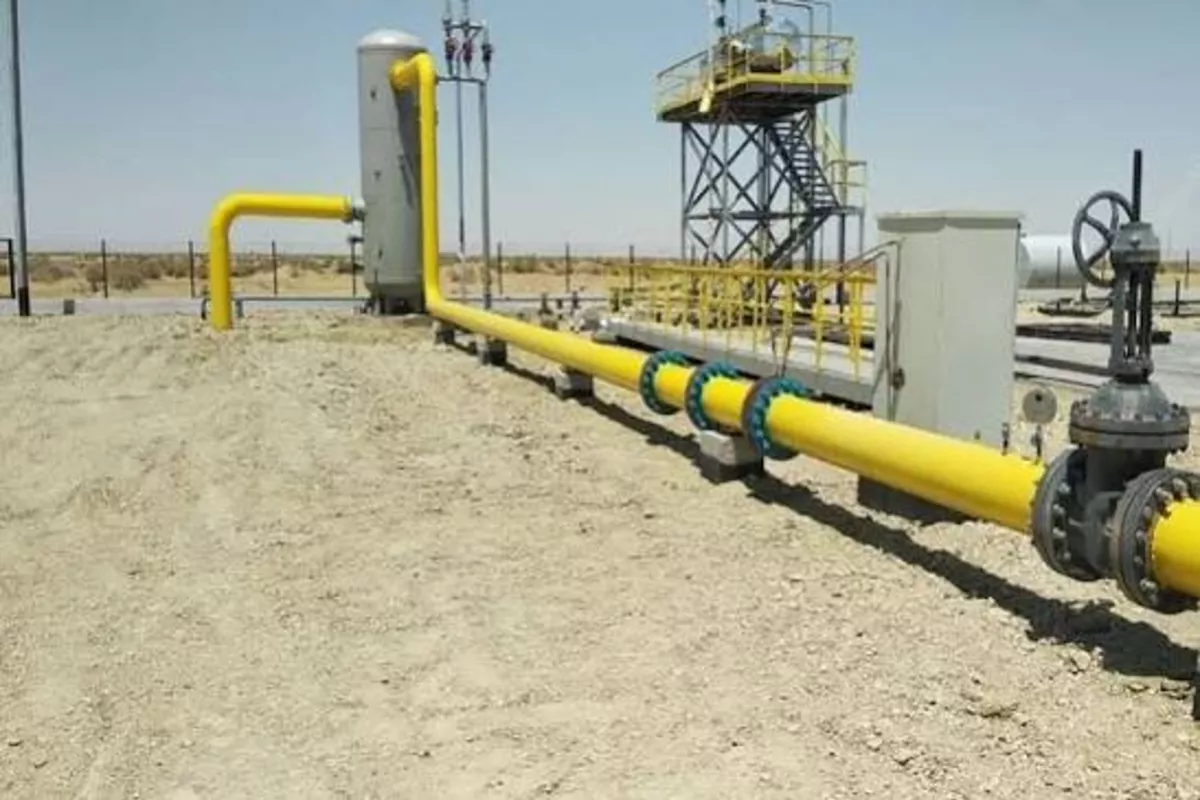
In its latest gas market data, the IEA said Russia is continuing to expand pipeline gas deliveries to Uzbekistan through Kazakhstan using the Central Asia-Center pipeline system, reflecting growing energy cooperation between the two countries, The Caspian Post reports, citing Uzbek media.
"Russia continues to increase pipeline gas supplies to Uzbekistan via Kazakhstan through the Central Asia-Center pipeline system. Russian pipeline gas deliveries to Uzbekistan are expected to rise from 7 billion cubic metres in 2025 to just over 10 billion cubic metres in 2026," the report said.
The increase in Russian exports comes as Uzbekistan faces a steady decline in domestic natural gas production. Data from the country's Statistics Agency show that gas output reached 15.8 bcm during the first five months of 2026, compared with 18.4 bcm during the same period a year earlier.
The production decline has significantly increased the country's dependence on imported energy. Between January and May 2026, Uzbekistan spent $724.7 million on imports of natural and artificial gas, representing an 84.1% year-on-year increase. Imports of liquefied gas also rose sharply during the same period, with spending tripling to $68.2 million.
The expansion of Russian gas supplies follows a landmark agreement signed in the summer of 2023 between Uzbekistan and Russian energy giant Gazprom. After the agreement entered into force, Gazprom announced that its annual gas deliveries to Uzbekistan had reached 7.7 bcm.
Russia has since continued to deepen its energy cooperation with Central Asian countries. In 2024, Gazprom signed a separate agreement to supply natural gas to Kyrgyzstan and also concluded a long-term transit agreement with Kazakhstan to ensure uninterrupted pipeline deliveries to both Uzbekistan and Kyrgyzstan.
The transit agreements will remain in effect through 2040, providing a long-term infrastructure framework for expanding Russian pipeline gas exports and strengthening Moscow's energy presence across Central Asia.
Share on social media