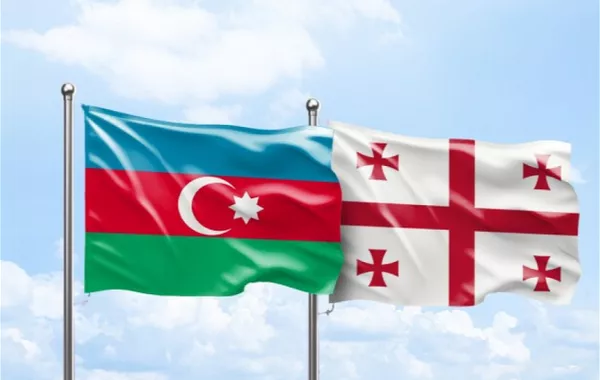
EU Excludes Kulevi Oil Terminal from New Russia Sanctions Package
The European Union has decided not to include Georgia’s Kulevi Oil Terminal in its upcoming 20th sanctions package against Russia, according to a letter sent by EU Special Representative for Sanctions Issues David O’Sullivan to Georgia’s Foreign Minister Maka Bochorishvili.
The letter, dated in response to a February 18 communication from the Georgian side, outlines the EU’s reasoning and confirms that the terminal was initially considered for sanctions due to concerns related to Russian oil shipments and the activity of so-called “shadow fleet” tankers, The Caspian Post reports, citing Georgia Today.
O’Sullivan says the EU reassessed its initial position after receiving commitments from Georgian authorities and the terminal’s operator that they would strictly comply with EU sanctions.
“Georgia will not allow vessels sanctioned by the European Union to enter its ports or receive services, and SOCAR has committed to conducting operations in full compliance with relevant EU sanctions, including the price cap on Russian crude oil and refined products, as well as EU import bans,” O’Sullivan wrote.
“These commitments were critical in our consideration of the situation and ultimately determined that the Kulevi port would not be included in the 20th sanctions package.”
The EU official noted that the sanctions regime increasingly targets Russia’s so-called “shadow fleet”-a network of aging tankers and opaque shipping structures used to transport Russian oil while circumventing Western sanctions and price caps imposed after Russia’s invasion of Ukraine.
The letter notes that the EU has already sanctioned 605 vessels involved in high-risk or deceptive shipping practices.
“In the upcoming 20th package, the EU plans to add up to 40 additional vessels,” O’Sullivan wrote.
The measures are implemented under Council Regulation (EU) No. 833/2014, which allows the EU to target vessels engaged in sanctions circumvention, transporting sanctioned goods, or supporting Russia’s energy sector.
However, the EU’s approach goes beyond individual ships.
“The fight against the shadow fleet requires a comprehensive approach targeting the entire logistics chain and the broader ecosystem supporting these operations,” O’Sullivan said.
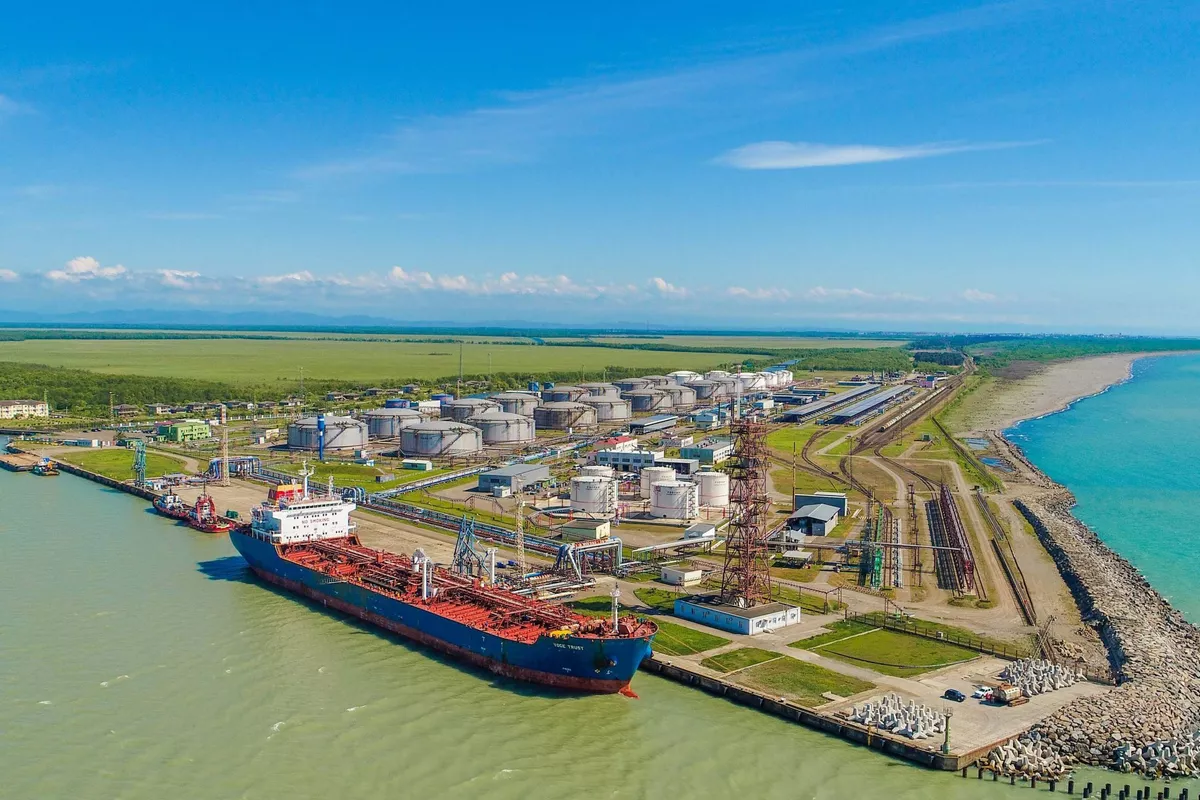
The Kulevi Oil Terminal, located on Georgia’s Black Sea coast and operated by Azerbaijan’s state energy company SOCAR, was initially considered for inclusion in the sanctions package because of its role in maritime oil transport routes and the entry of tankers linked to the shadow fleet.
The EU has been working to reduce dependence on Russian energy exports and prevent sanctions circumvention, including through infrastructure located in third countries.
But after consultations with Georgian authorities and commitments to enforce EU restrictions, Brussels decided not to move forward with sanctions against the terminal.
The EU letter also references the case of the tanker M/T TRUVOR (IMO 9676230), which Georgian authorities reportedly denied entry to one of the country’s ports.
O’Sullivan welcomed the decision and said continued cooperation between Georgia and the European Commission would be important for monitoring vessels linked to sanctions evasion.
“The EU closely monitors the movements of the shadow fleet and will continue to do so in the future,” he wrote.
In addition to maritime sanctions enforcement, the EU also urged Georgia to continue efforts to prevent the re-export of sensitive goods to Russia.
The letter highlights the importance of controlling Common High Priority (CHP) items and Economically Critical Goods (ECG)-products considered vital for Russia’s military or industrial sectors.
“Preventing the redirection of such goods is essential for the effectiveness of EU sanctions,” O’Sullivan said, thanking Georgian authorities for their cooperation and urging them to ensure that Georgian territory is not used for sanctions circumvention.
The EU has adopted multiple sanctions packages against Russia since the full-scale invasion of Ukraine in 2022, targeting sectors including energy, finance, shipping, technology, and defense.
The upcoming 20th sanctions package is expected to expand restrictions on Russia’s oil transport network and tighten enforcement mechanisms aimed at closing loopholes in the sanctions regime.