Photo credit: oc-media.org
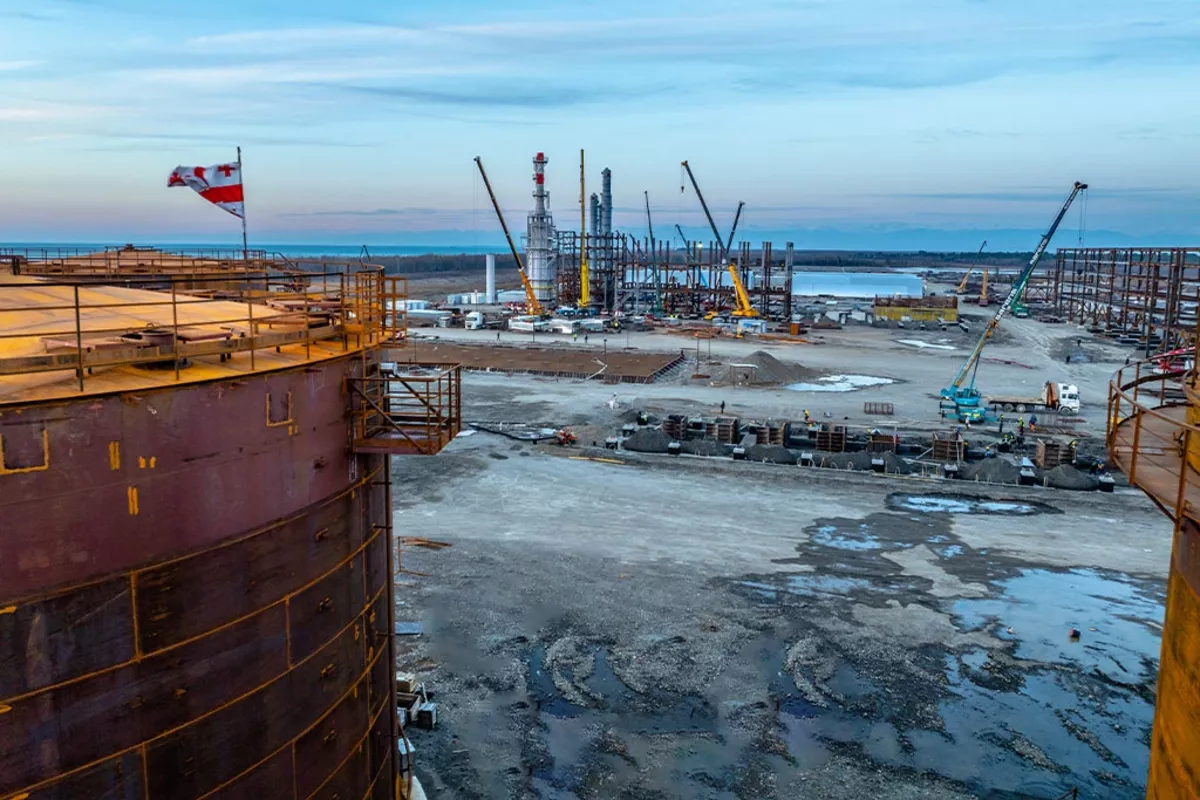
Georgia’s only oil refinery, in Kulevi on the Black Sea coast, plans to stop using Russian crude and switch to feedstock from Turkmenistan, Kazakhstan and other alternative sources, according to Black Sea Petroleum chief David Potskhveria. He said the company’s goal is to fully replace Russian feedstock so its petroleum products can access the European Union market.
The move follows weeks of scrutiny over Kulevi’s role in Russian oil flows after the European Union considered sanctions on the port as part of its 20th package against Moscow. The draft package proposed banning transactions with two ports - Kulevi in Georgia and Karimun in Indonesia - in what would have marked a new step in the bloc’s effort to disrupt Russian export routes beyond Russia itself. If adopted, the measures would have barred EU companies and individuals from conducting business with the targeted ports.
The proposal alleged that Kulevi had received Russian oil imports via “vessels that employ irregular and high-risk shipping practices.” The same draft also targeted ships linked to Russia’s so-called shadow fleet.
The possible sanctions alarmed regional observers because of Kulevi’s wider importance as an oil logistics hub. Vakhtang Partsvania, a professor at Caucasus University in Tbilisi, told Monitori that such sanctions would “touch the entire logistics through this port” and make Kulevi “unattractive to international shipping and isolated from the global financial and insurance system.”
The official announcement was made by Metropolitan Shio Mujiriat the Caucasus Medical Center, where the Patriarch had earlier been hospitalized in critical condition.
Kulevi’s oil terminal has long been operated by Azerbaijan’s state oil company SOCAR, which launched the facility in 2008.
Georgian Prime Minister Irakli Kobakhidze rejected allegations of sanctions evasion and said the government was ready to provide detailed information to the European Commission, insisting that nothing taking place at Kulevi contradicted sanctions policy.
The immediate threat later receded. On March 10, the EU reportedly decided not to include Kulevi in its final 20th sanctions package, citing “positive commitments” by Georgian authorities and the port operator. But Brussels also said Georgia’s compliance with sanctions would remain under close monitoring.
Find the original article here
Share on social media