Hormuz Crisis Leaves Thousands of Seafarers Stranded

Source: Marine Insight

Hormuz Crisis Leaves Thousands of Seafarers Stranded
  • 27 Apr, 20:25
  • Iran

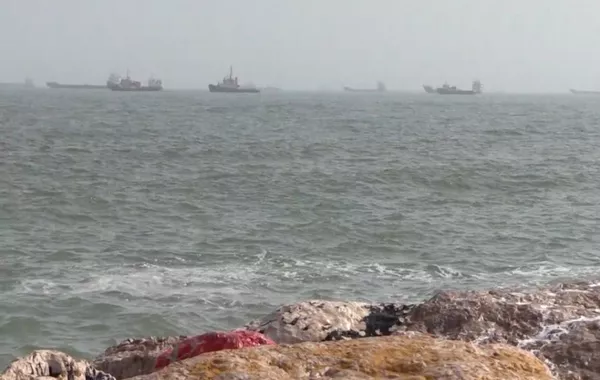
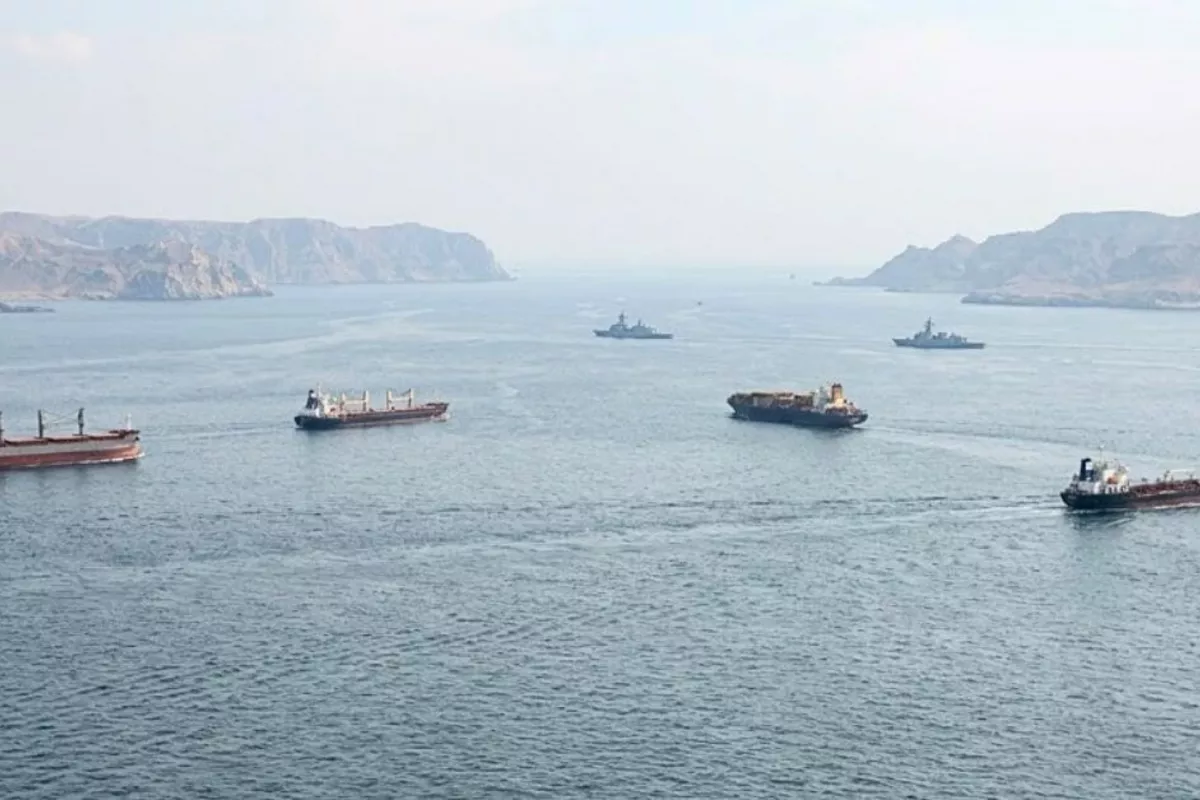
Thousands of seafarers remain stranded as the conflict in Iran has effectively shut down large parts of the Strait of Hormuz, severely disrupting the global trade of oil and gas and heightening safety concerns.

According to the latest available data, approximately 20,000 seafarers aboard hundreds of vessels-including oil and gas tankers as well as cargo ships-are currently stuck in the Gulf, unable to navigate through the critical waterway, The Caspian Post reports, citing Euronews.

Under normal circumstances, about one-fifth of the world’s oil and liquefied natural gas supplies pass through the Strait of Hormuz. However, maritime data firm Lloyd’s List Intelligence reports that only around 80 vessels transited the strait during the week of April 13-19. This marks a sharp decline compared to pre-war levels, when roughly 130 or more ships would pass through the strait each day.

Since the outbreak of the conflict, dozens of ships have been targeted in attacks, and the United Nations has confirmed that at least 10 seafarers have lost their lives.

Although US President Donald Trump announced an indefinite extension of the ceasefire last week, the United States has continued to enforce its blockade of Iranian ports. In retaliation, Iran has opened fire on ships navigating the strait and has seized two vessels.

“Seafarers are the backbone of global trade, yet we are often the most affected by regional geopolitical conflicts,” said Captain Arunkumar Rajendran, who has been stranded along with his tanker crew for approximately eight weeks.

The International Maritime Organisation (IMO), the United Nations agency responsible for shipping, along with other organizations, has urged the creation of a secure corridor to allow commercial vessels to pass safely through the strait.

Despite Iran’s statement that the strait remains open to ships it considers non-hostile, most vessels are still unable to make the crossing. Reports indicate that Iran has deployed sea mines in the waterway, while Donald Trump stated last week that US forces are working to remove them and warned that they would “shoot and kill” any boats laying mines in the area.

With the ongoing threat posed by mines and continued attacks on vessels, IMO Secretary-General Arsenio Dominguez emphasized that “there is no safe transit anywhere in the Strait of Hormuz.”

This situation is part of a broader pattern in recent years, where multiple global crises-including the COVID-19 pandemic, Russia’s full-scale invasion of Ukraine, and attacks by Yemeni Houthi rebels on ships in the Red Sea-have left seafarers stranded and exposed to significant risks at sea.

Related news

Hormuz Crisis Leaves Thousands of Seafarers Stranded

Thousands of seafarers remain stranded as the conflict in Iran has effectively shut down large parts of the Strait of Hormuz, severely disrupting the global trade of oil and gas and heightening safety concerns.