Source: Reuters
Russia is reportedly providing intelligence support to Iran to help locate and target U.S. military assets in the Middle East.
The officials said that since the conflict escalated, Moscow has shared information about the locations of United States warships and aircraft in the region. They spoke on condition of anonymity due to the sensitive nature of the intelligence assessments, The Caspian Post reports via foreign media.
If confirmed, the move would signal that the rapidly expanding conflict now involves one of Washington’s key nuclear-armed rivals with advanced intelligence capabilities.
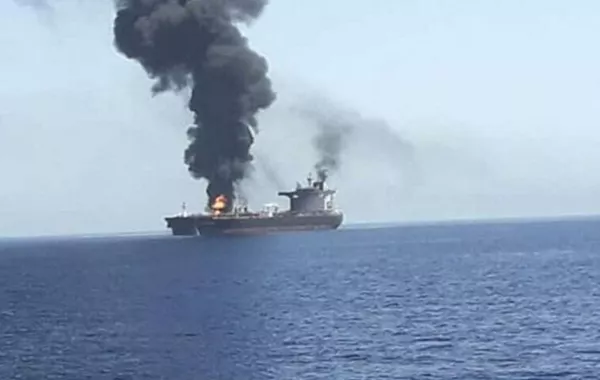
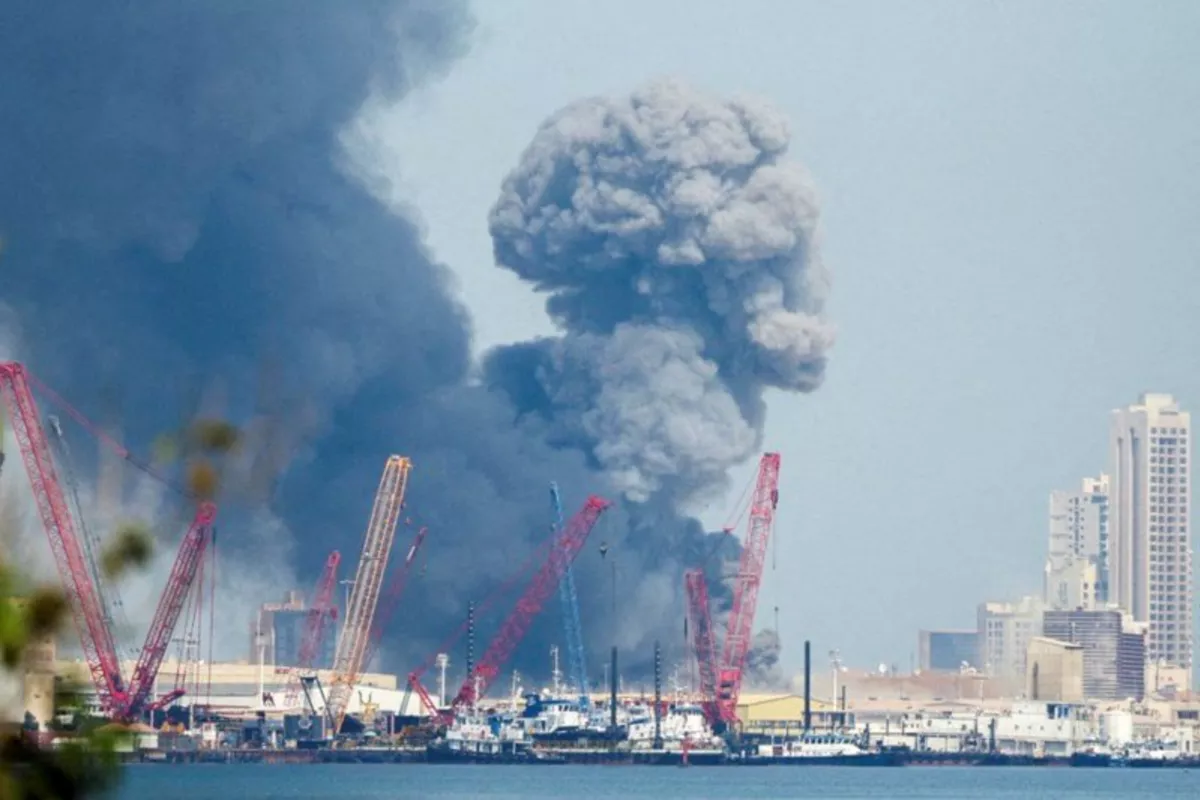
Since the start of hostilities, Iran has launched thousands of one-way attack drones and hundreds of missiles targeting U.S. military sites, embassies, and civilian areas across the region.
One of the deadliest incidents occurred in Kuwait, where six U.S. servicemen were killed and several others injured during an Iranian drone attack on Sunday (March 1).
Meanwhile, the joint campaign by the United States and Israel has struck more than 2,000 Iranian targets, including ballistic missile facilities, naval assets, and locations linked to the country’s leadership.
“The Iranian regime is being absolutely crushed,” said Anna Kelly, a spokesperson for the White House. She added that Iran’s missile retaliation is decreasing and its naval capabilities are being heavily degraded.
Officials said the exact scope of Russia’s assistance remains uncertain, and it is unclear how much the intelligence sharing has influenced Iran’s strikes on U.S. infrastructure such as radar systems, command centers, and temporary military facilities.
Neither the Central Intelligence Agency nor the United States Department of Defense has commented on the report.
The officials noted that China does not appear to be providing military assistance to Iran, despite maintaining close ties with Tehran.
The report also noted that a recent strike hit the CIA station at the U.S. Embassy in Riyadh, the capital of Saudi Arabia, highlighting the widening scope of the regional conflict.
Share on social media