Mojtaba Khamenei Steers Iran Behind the Scenes Amid Ongoing Tensions
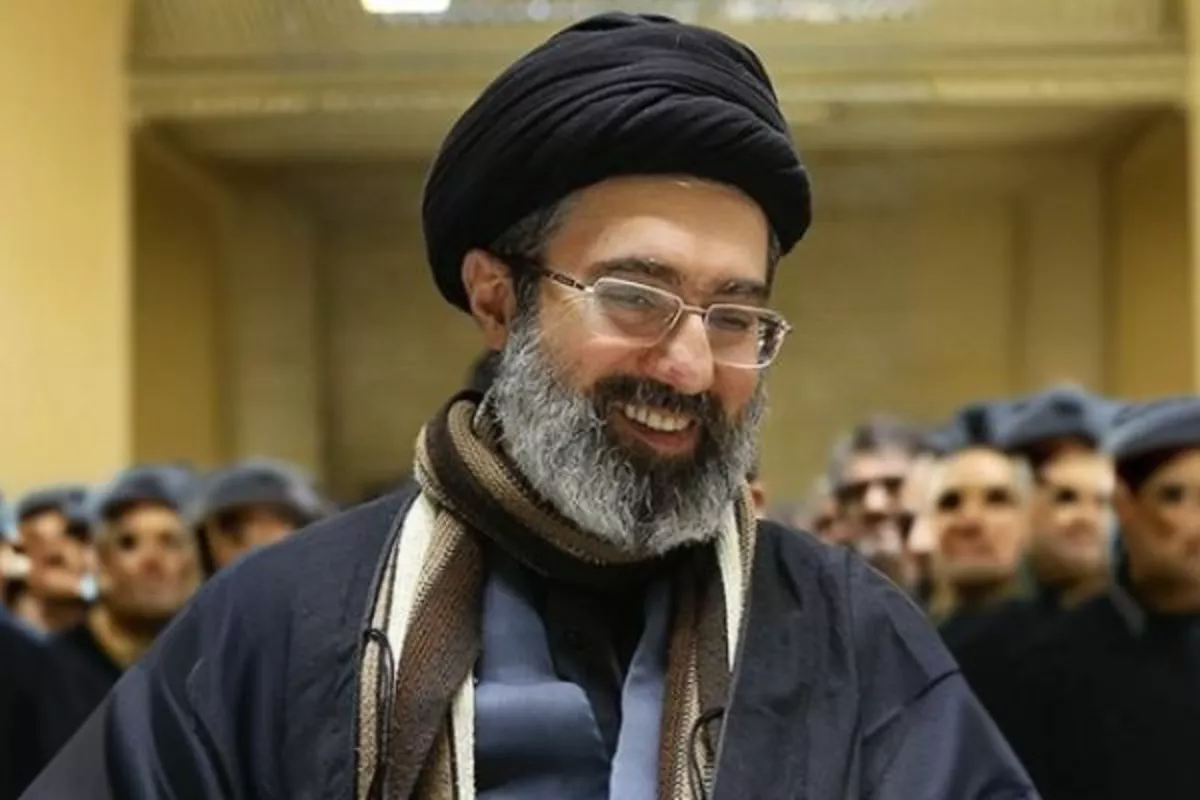
Iran's Supreme Leader, Ayatollah Mojtaba Khamenei, has remained largely absent from the public eye since assuming leadership following the death of his father, Ayatollah Ali Khamenei, in a joint US-Israel strike on February 28, the New York Times reported.
According to the report, which cited an Iranian official, no video or audio recordings of the new leader have been released. Instead, his directives are exclusively shared via social media posts or read aloud on state television. The report suggested that Mojtaba is acting "consciously as he does not want to appear vulnerable or sound weak in his first public address."
Security protocols surrounding the Supreme Leader have reached unprecedented levels. The New York Times stated that senior commanders of the Revolutionary Guard and high-ranking government officials refrain from visiting him, fearing that Israel could "trace his location" through their movements and orchestrate an assassination.
To circumvent sophisticated tracking by the US and Israel, the report detailed a rudimentary but secure communication system. Messages intended for Mojtaba are "handwritten, sealed in envelopes and passed on via a human chain" of trusted couriers. These messengers reportedly navigate highways and rural back roads on motorcycles and in cars to reach his "hide-out," with his responses following the same secure circuit.
The official cited by the New York Times further revealed that while the top leader was "gravely" injured in the strikes, he remains "mentally sharp and engaged." The report alleged that the strikes "damaged his face" and left him requiring "plastic surgery."
Medical details provided in the report indicate that Mojtaba's injuries are extensive. One of his legs has reportedly undergone three operations and is "awaiting a prosthetic leg," while an injured hand is said to be "regaining function gradually." Furthermore, injuries to his "face and lips" have reportedly made it "difficult for him to speak."
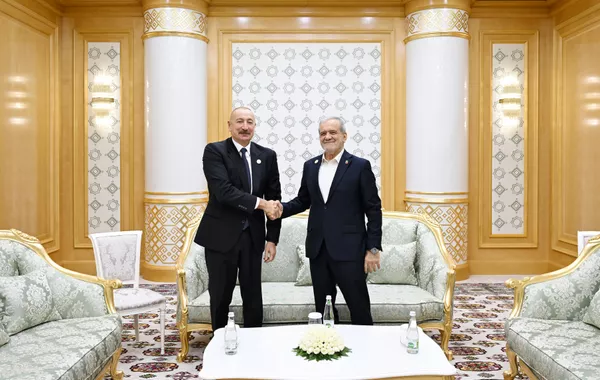
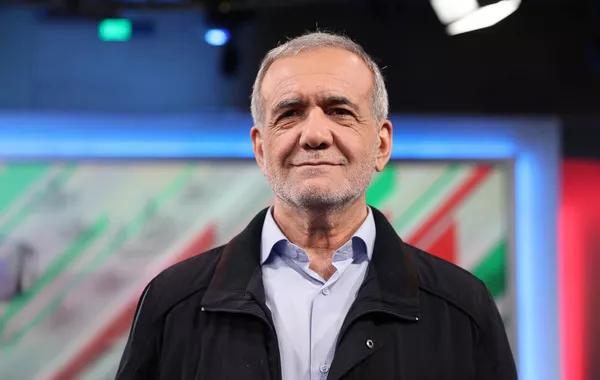
The New York Times added that Iranian President Masoud Pezeshkian, a trained heart surgeon, and the country's health minister have both been directly "involved in his care." The leader is reportedly "mostly surrounded by doctors and healthcare professionals" at his undisclosed location.
In response to the claims regarding his health, a post on Supreme Leader Mojtaba Khamenei's X account slammed the "enemy's media operations." The post accused such reports of seeking to "undermine unity and national security" following the publication of the details regarding the wounds sustained in the strike that killed Ayatollah Ali Khamenei.
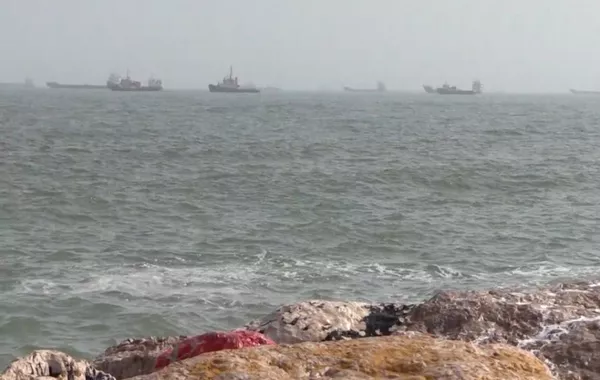
The report comes during an "uneasy ceasefire" between the US and Iran, following a period of intense fighting in the Middle East. Despite the pause in hostilities, a significant "deadlock over the Strait of Hormuz" persists.