The United States and the Islamic Republic of Iran have agreed to a two-week ceasefire. According to President Donald Trump, the U.S. received a 10-point proposal from Iran that could serve as the basis for further negotiations.
While the conflict cannot yet be considered fully resolved, and the ceasefire may be temporary, some preliminary conclusions can already be drawn-especially for the Gulf monarchies, which managed to ride out the most intense phase of the confrontation without direct involvement in the fighting, The Caspian Post reports via the Russian International Affairs Council.
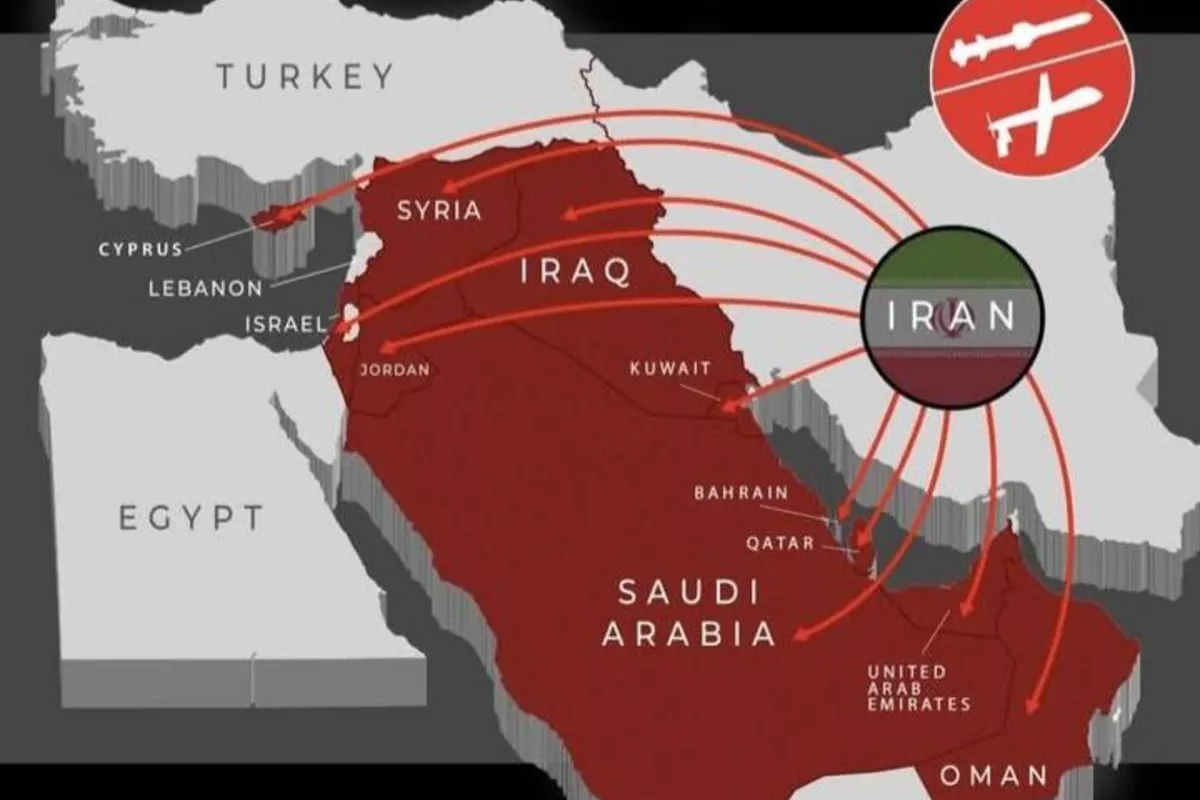
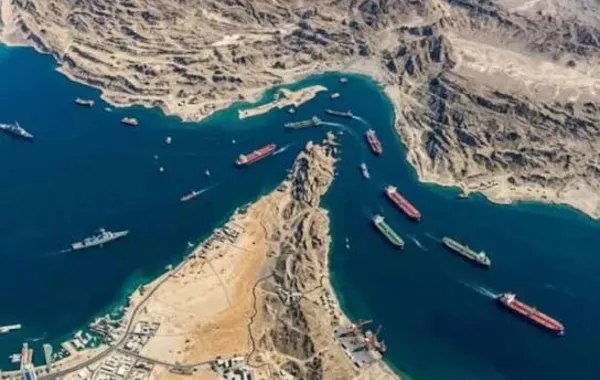
This latest Middle East conflict differs sharply from last year’s 12-day war. It has seen a higher number of targeted killings among Iran’s political and military leadership, strikes on the country’s energy infrastructure, and other notable escalations. Perhaps most surprising, Tehran’s response has focused less on Israel and the United States and more on the Gulf monarchies. This has included missile strikes, drone attacks on both military and civilian infrastructure, and the temporary closure of the Strait of Hormuz-moves that have already impacted global oil prices.
We can already anticipate which trends are likely to intensify in the near future for the Gulf Arab monarchies-Saudi Arabia, the UAE, Kuwait, Qatar, Bahrain, and, to a lesser extent, Oman.
First and foremost, Gulf Arab monarchies are likely to intensify efforts to diversify their military partnerships. Recent events have highlighted that American bases in the region, while providing security, also carry significant risks, as they can become targets for attacks directed at the host country.
Against this backdrop, Gulf states are expected to seek broader military cooperation with other countries. However, closer ties with Russia or China could trigger sanctions and force a reevaluation of their defense relationship with the United States, which remains the primary extra-regional ally of the Gulf monarchies. As a result, these states are likely to focus more on partnerships within the Middle East and South Asia.
In September 2025, just a few months after the 12-day war, Saudi Arabia and Pakistan signed a defense agreement stipulating that an attack on one party would be considered an aggression against both countries. At the time, Bloomberg reported, citing sources, that Türkiye was exploring the possibility of joining this alliance in the future.
Under current conditions, it is likely that regional states will place even greater emphasis on developing military alliances, relying not only on extra-regional security providers but also on friendly neighboring countries. Additionally, we may see increased involvement of proxy groups and other non-state armed actors in security matters. For example, it is conceivable that the UAE could turn to groups such as the Southern Transitional Council in Yemen, which has received support in the past.
Another probable scenario is that new defense agreements will increasingly include detailed provisions for assisting allies. The Saudi-Pakistani alliance illustrates this need: while Pakistan offered diplomatic support to Saudi Arabia by reminding Tehran of the agreement, the kingdom was not fully protected from Iranian attacks, highlighting the limitations of alliances that lack clearly defined operational measures.
At the same time, despite active diplomatic efforts to secure allies for protection, trust in external support among the Gulf Arab monarchies may decline. In a context where ground invasions are becoming increasingly outdated and drones and missiles play a decisive role in modern warfare, it becomes clear that countries must primarily rely on themselves. Once the current conflict subsides, we can expect Gulf monarchies to prioritize the development of air defense and missile defense systems, and more broadly, to strengthen their own national defense capabilities.
This, however, does not imply a reduction in military cooperation with the United States. For example, UAE Presidential Advisor Anwar Gargash stated that Abu Dhabi plans to “double” its security collaboration with Washington. In this way, diversification of defense partnerships can occur alongside an expansion of cooperation across all key security domains.
“Cold Peace” with Iran
Looking at the diplomatic activity of the Gulf monarchies, the years leading up to the conflict showed that Iran and several Arab states, despite imperfect relations, were capable of constructive engagement. This goes beyond strong economic ties-for example, Iran and the UAE had a trade turnover of $27 billion in 2025-and includes military cooperation, such as joint exercises with Saudi Arabia conducted in 2024.
Despite Iran’s recent missile strikes, some Gulf monarchies may seek to normalize relations with Tehran, establishing “red lines” to prevent future crises. While Iran’s attacks will inevitably impact regional relations, countries may conclude that maintaining a “cold peace” is far preferable to living in a state of open confrontation.
Economic Diversification
Finally, changes can be expected in the economic sphere, primarily in the structure of exports and supply routes. Significant transformations may occur, given that Iran appears unwilling to relinquish control over the Strait of Hormuz, using it both as a tool of leverage and as a source of revenue through transit fees. The situation regarding the strait’s status is likely to become clearer in the coming weeks.
Following the outbreak of the conflict, Saudi Arabia increased oil shipments from Red Sea terminals. As long as Yemen’s Houthis do not fully block the Bab-el-Mandeb Strait, limiting themselves to threats, this measure helps mitigate economic losses. In the future, we can expect both diversification of supply routes and, at a minimum, the preparation of infrastructure to quickly redirect some flows if needed.
War’s Economic Fallout Extends Beyond Oil
The consequences of the conflict reach far beyond oil exports. Maritime transport and logistics overall have come under pressure, with rising tensions driving up insurance and freight costs while reducing supply predictability. This, in turn, undermines the transit potential of Gulf countries. Even once shipping is restored, higher risk premiums and persistent uncertainty are likely to constrain investment and slow economic growth. Complex logistics have become an independent factor affecting the region’s economic momentum.
During the active phase of hostilities, additional risks emerged for other critical supplies, including food and fertilizers, raising concerns about food security in the subregion. Against this backdrop, Gulf monarchies are expected to focus more on supporting local production to reduce dependency on external suppliers.
Moreover, the conflict is likely to accelerate the modernization of regional economies. The already ongoing trend of reducing dependence on oil exports and building more technologically advanced and diversified economies is expected to gain even greater prominence in national policy. This includes green initiatives and sustainable development agendas. Countries are already pursuing ambitious modernization programs-such as Saudi Arabia’s Vision 2030 and the UAE’s Energy Strategy 2050-and the current conflict may serve as an additional catalyst for their implementation.
Thus, the current conflict is likely to drive diversification in both policy and economic strategy. Gulf monarchies will probably adopt a more balanced approach to security, while simultaneously mitigating risks to their national economies by leveraging a broad range of tools and strategies.
By Program Manager of the Russian International Affairs Council Ivan Bocharov