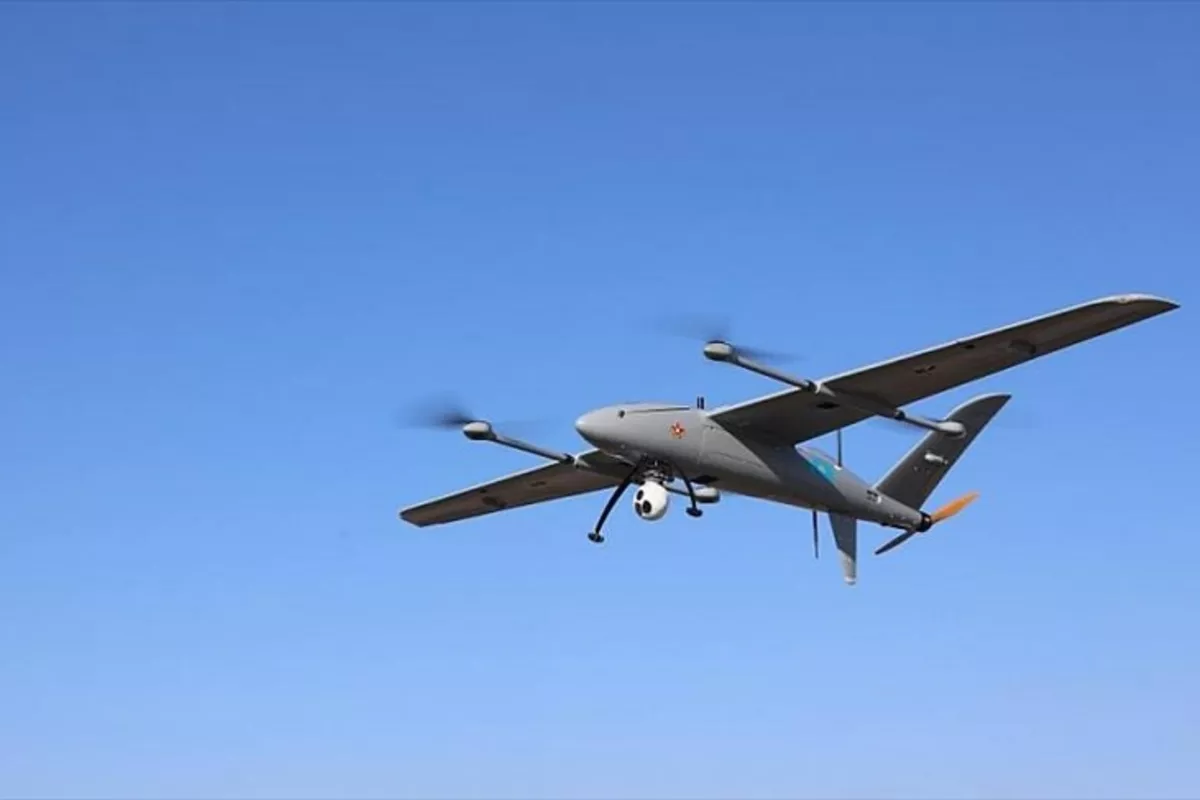
Kazakhstan’s consideration of domestic military drone production marks a significant step in the country’s gradual transformation of its defence doctrine. According to statements from the Ministry of Defence, Astana is now actively studying the feasibility of manufacturing unmanned aerial vehicles (UAVs), including both large reconnaissance or strike platforms and smaller tactical drones. While still in the planning phase, the initiative reflects broader global trends in modern warfare and signals Kazakhstan’s intention to reduce reliance on foreign suppliers while strengthening its own military-industrial base.
Deputy Defence Minister Askar Mustabekov’s recent remarks provide the clearest indication yet of this strategic direction. He confirmed that preliminary agreements have been reached with Turkish defence company Baykar, widely known for its Bayraktar drone systems, which have played a prominent role in multiple recent conflicts. However, he emphasized that the project remains under study and has not yet entered implementation. Its future will depend on feasibility assessments, financial capacity, and broader defence planning priorities.
Strategic Drivers Behind Kazakhstan’s Drone Initiative
Kazakhstan’s interest in drone production is not occurring in isolation. It reflects a broader reassessment of modern warfare, where unmanned systems have become central to both offensive and defensive operations. Mustabekov explicitly highlighted that Kazakhstan is closely observing global conflict dynamics, particularly the use of drones by countries such as Ukraine, Russia, Iran, and the United States. These conflicts have demonstrated that UAVs are no longer auxiliary tools but core assets that can shape battlefield outcomes.
The war in Ukraine, in particular, has underscored the decisive role of drones in intelligence gathering, artillery targeting, surveillance, and even direct strikes. Small, low-cost drones have proven capable of disrupting much more expensive traditional military systems. Meanwhile, larger platforms like the Bayraktar TB2 have gained symbolic and tactical significance, offering long-range precision capabilities that can shift operational balances.
For Kazakhstan, situated in a complex geopolitical environment bordered by major powers and regional instability zones, these lessons are especially relevant. The country has traditionally maintained a multi-vector foreign policy and avoided deep military entanglements. However, evolving security conditions and the diffusion of drone technology are pushing Astana to reconsider its defensive preparedness.
The Ministry of Defence’s emphasis on both large and small UAV systems suggests a comprehensive approach. Rather than focusing solely on high-end strike drones, Kazakhstan appears interested in building a layered unmanned ecosystem. This would include tactical surveillance drones for border security, reconnaissance systems for intelligence operations, and potentially more advanced strike-capable platforms over time.
Partnership with Baykar and Technology Transfer Prospects
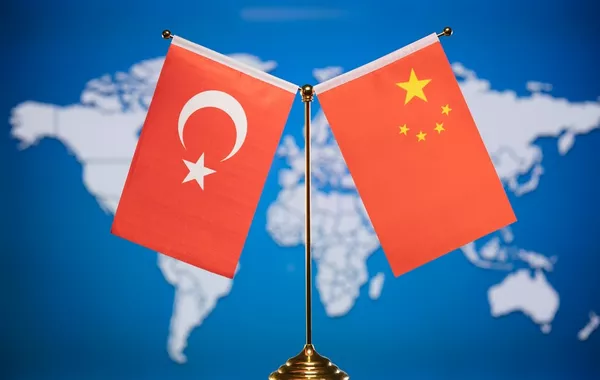
A key element of Kazakhstan’s drone ambitions is its engagement with Turkey’s Baykar, one of the world’s leading UAV manufacturers. The Bayraktar series has become globally recognized for its effectiveness, relatively low cost, and export success across multiple regions. Kazakhstan’s preliminary agreement with the company signals not only an intention to procure systems but potentially to establish a more integrated production or assembly framework.
Deputy Defence Minister Mustabekov noted that an agreement regarding the Bayraktar system has already been reached and is currently under study. While details remain limited, the phrasing suggests that discussions may extend beyond simple procurement toward industrial cooperation or licensed production. If realized, such cooperation could provide Kazakhstan with access to critical technologies, including avionics, control systems, and drone manufacturing expertise.
Technology transfer is often a central challenge in defence-industrial partnerships. Countries seeking to develop domestic production capabilities typically aim to move beyond imports toward co-production or localized assembly. For Kazakhstan, collaboration with Baykar could serve as an entry point into the global UAV supply chain, allowing domestic engineers and defence enterprises to gradually acquire technical know-how.
However, the success of such cooperation will depend on several factors, including export regulations, intellectual property arrangements, and Kazakhstan’s ability to develop supporting infrastructure. Without a robust industrial base, even well-structured partnerships risk remaining limited to assembly rather than full-scale production.
Budget Constraints and Industrial Readiness
Despite the strategic ambition, Kazakhstan’s drone production plans remain closely tied to financial realities. Mustabekov explicitly stated that progress will depend on increased defence spending, noting that meaningful advancement is expected only if defence expenditure reaches around 1% of GDP. This figure highlights a key constraint: while the vision for domestic drone production is expanding, the fiscal space to realize it remains conditional.
Kazakhstan’s defence budget, like many middle-income states, must balance multiple priorities, including personnel costs, traditional equipment maintenance, and modernization efforts across various branches of the armed forces. Introducing a domestic UAV industry would require sustained investment not only in procurement but also in research and development, training, infrastructure, and supply chain development.
Moreover, drone production is not simply a matter of assembling hardware. It requires advanced electronics manufacturing, software development capabilities, secure communications systems, and integration with broader military command structures. These elements often take years to develop and depend heavily on human capital and institutional capacity.
Kazakhstan has made progress in defence-industrial development in recent years, but building a competitive UAV sector would represent a significant leap. The classified nature of the programme, as noted by Mustabekov, suggests that certain aspects are already under development, but public information remains limited.
Geopolitical and Regional Implications
Kazakhstan’s move toward drone production also carries broader geopolitical implications. Situated between Russia and China, and maintaining relations with Western and regional partners such as Turkey, Kazakhstan must carefully balance its defence modernization efforts. UAV development, particularly if involving foreign technology partnerships, can influence diplomatic dynamics and security perceptions in the region.
The growing importance of drones in global military strategy also means that Kazakhstan’s entry into this field is part of a wider regional trend. Many countries in Eurasia and beyond are investing in unmanned systems as cost-effective force multipliers. For Kazakhstan, developing domestic capability could enhance border surveillance across its vast territory, improve rapid response capacity, and strengthen deterrence without significantly expanding conventional military forces.
At the same time, reliance on foreign partners such as Turkey introduces a layer of strategic dependency. While such cooperation accelerates technological acquisition, it also requires careful management to ensure long-term autonomy and security of supply.
Conclusion: A Cautious but Strategic Transition
Kazakhstan’s exploration of domestic military drone production represents a cautious but strategically significant shift in its defence posture. While still in its early stages, the initiative reflects recognition of the transformative role of unmanned systems in modern warfare and the need for greater technological self-reliance.
The potential partnership with Baykar offers a promising pathway for technology transfer and industrial development, but the project’s success will depend heavily on sustained funding, institutional capacity, and long-term strategic commitment. As Kazakhstan navigates these challenges, its drone ambitions will likely serve as both a test case for broader defence modernization and a reflection of its evolving role in an increasingly technology-driven security environment.