US-Iran Talks in Geneva: What to Expect
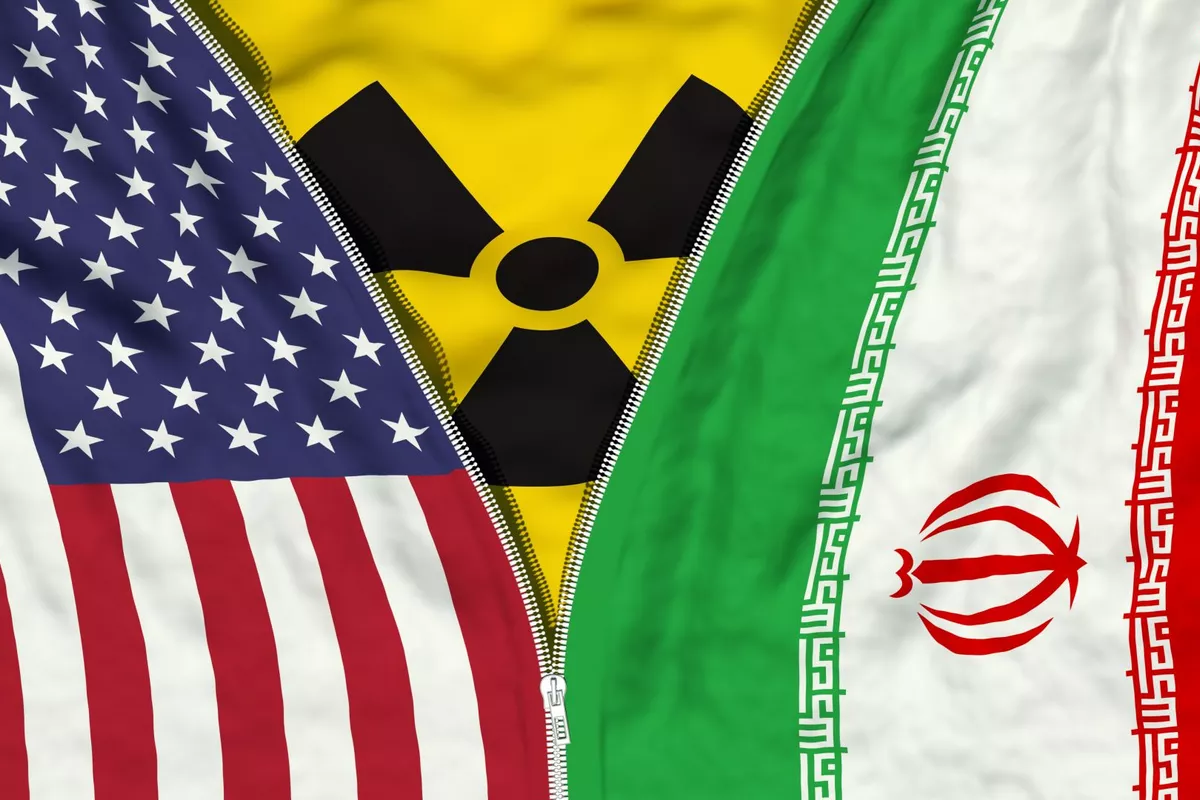
Diplomatic engagement between the United States and Iran over Tehran’s nuclear program remains a recurring feature of international diplomacy, often unfolding through direct or indirect negotiations facilitated by regional mediators.
A second round of talks has been widely reported as part of ongoing efforts to address tensions surrounding Iran’s nuclear activities.
Planned Follow-Up Meeting in Geneva
According to media reports citing U.S. and diplomatic sources, Washington and Tehran are expected to convene another round of nuclear negotiations in Geneva, Switzerland. The discussions are seen as a continuation of earlier dialogue aimed at managing disputes related to Iran’s nuclear program and potential pathways toward de-escalation.
Reuters, referencing a U.S. official and several informed sources, reported that the meeting is scheduled to take place in Geneva, a city that frequently hosts high-level diplomatic negotiations due to its longstanding role as a neutral international hub.
The U.S. delegation is expected to include senior political figures such as Steve Witkoff and Jared Kushner, according to the reports. Their anticipated participation underscores the level of attention Washington is placing on the talks.
Oman’s Mediation Role
Oman has once again emerged as a key intermediary in the diplomatic process. Representatives from the Gulf state are expected to attend the Geneva meeting as mediators, reflecting Muscat’s established role as a quiet facilitator between the two sides.
Separately, Axios reported that Ali Larijani, Secretary of Iran’s Supreme National Security Council, received a message from the United States delivered through Omani intermediaries. Such backchannel communications have historically played an important role in sustaining dialogue during periods of heightened tension.
Oman has previously served as a conduit for messages and hosted negotiations between Washington and Tehran, reinforcing its reputation as a neutral diplomatic bridge in the region.
Background: First Round in Oman
The current diplomatic track follows an earlier round of negotiations held on February 6 in Oman. That meeting marked a renewed attempt by both sides to address outstanding nuclear issues through dialogue rather than escalation.
While details of the initial discussions were limited, the continuation of talks suggests that both parties view sustained engagement as preferable to a breakdown in communication. Geneva’s selection as the venue for the subsequent round aligns with the city’s role as a traditional setting for international negotiations on security and nuclear matters.
Broader Diplomatic Context
Nuclear negotiations between the United States and Iran have historically focused on limiting Iran’s nuclear activities in exchange for sanctions relief or other diplomatic understandings. Over time, the format of these discussions has varied, ranging from direct bilateral talks to multilateral frameworks involving additional global powers.
The anticipated second round in Geneva illustrates how diplomatic efforts often proceed incrementally, with mediation channels, exploratory messages, and phased negotiations shaping the process. Although outcomes remain uncertain, continued dialogue signals an effort by both sides to manage tensions through diplomatic means.
As discussions unfold, observers will closely monitor developments to assess whether the renewed engagement can produce tangible steps toward stabilizing one of the most sensitive nuclear issues on the global agenda.