US-Iran Talks: Progress Possible, but Chances of a Deal Unclear
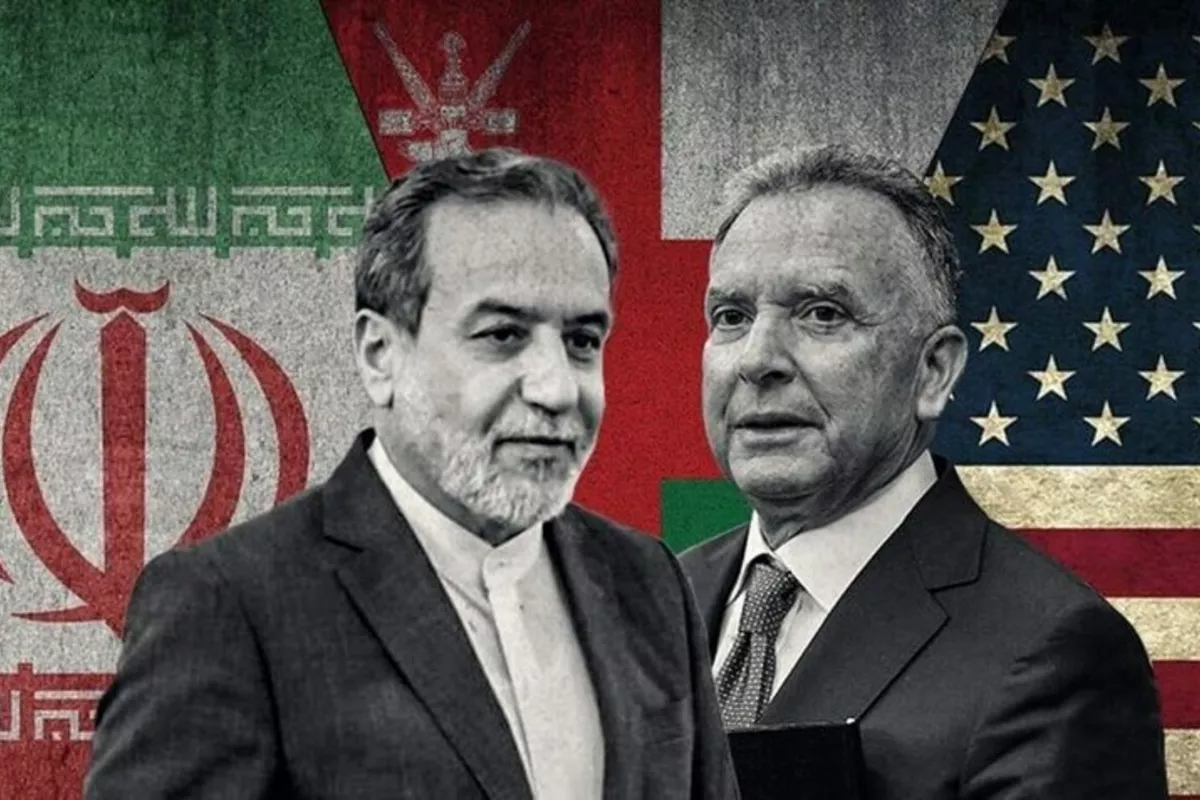
The United States and Iran have resumed indirect negotiations in Geneva, marking a third round of talks aimed at preventing further escalation over Tehran’s nuclear program. The discussions reflect a long-running dispute that blends diplomacy, military pressure, sanctions, and regional security concerns.
Here’s a broader look at the issues shaping the negotiations.
Why the Talks Matter
Tensions have intensified following warnings from Donald Trump that military action remains an option if a nuclear agreement cannot be reached. While Trump has repeatedly said he prefers diplomacy, he has also raised the possibility of limited strikes to pressure Iranian leaders.
The negotiations are unfolding amid a significant US military build-up in the Middle East - the largest since the 2003 Iraq war - including aircraft carriers, fighter jets, and additional troops. Iran has responded by warning that any attack would be met with force.
Who Is Involved
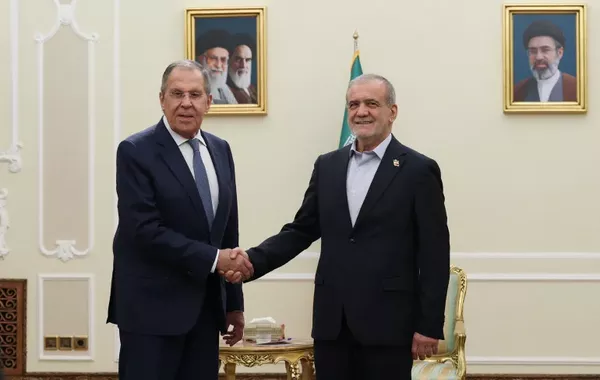
As in previous rounds, Iran’s delegation is led by Foreign Minister Abbas Araghchi. The US side is represented by special envoy Steve Witkoff and senior adviser Jared Kushner.
Badr Albusaidi, Oman’s foreign minister, is serving as mediator. Oman has frequently played a quiet diplomatic role between Washington and Tehran. Albusaidi has described the exchanges as involving “creative and positive ideas,” though a breakthrough remains uncertain.
The Core Dispute: Iran’s Nuclear Program
For decades, the United States and Israel have accused Iran of seeking to develop nuclear weapons. Iran maintains that its nuclear activities are solely for peaceful purposes. However, it remains the only non-nuclear-armed state enriching uranium close to weapons-grade levels.
Last June, the US joined Israel in strikes on three Iranian nuclear facilities. Trump said at the time that the sites had been “obliterated.” Iran says enrichment halted after the attacks but has not granted inspectors from the International Atomic Energy Agency access to the damaged facilities.
A central sticking point is uranium enrichment. Washington wants strict limits - potentially including halting enrichment altogether - while Iran rejects ending enrichment on its own territory.
Potential areas of compromise reportedly include:
-
Creation of a regional uranium enrichment consortium
-
Measures to address Iran’s stockpile of roughly 400kg of highly enriched uranium
-
Verification and monitoring mechanisms
Sanctions and Economic Pressure
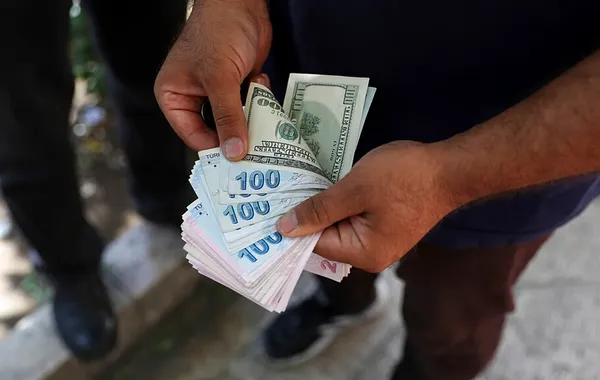
In exchange for nuclear concessions, Iran seeks relief from US-led sanctions that have severely strained its economy. Critics of Tehran’s government argue that sanctions relief would strengthen the country’s ruling establishment.
The United States has signaled that any sanctions easing would likely be limited and conditional.
Broader Regional Tensions
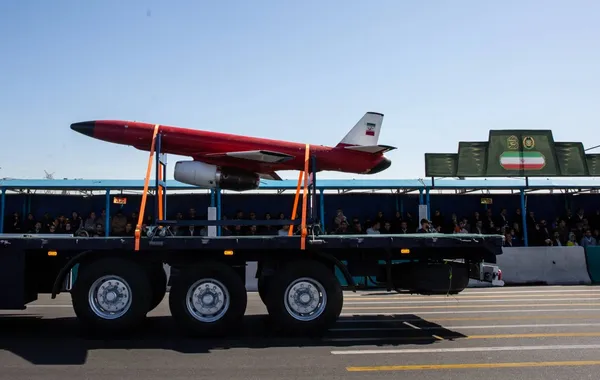
The nuclear issue does not stand alone. Washington has also expressed concern about Iran’s ballistic missile development and its support for regional armed groups - alliances Tehran describes as the “Axis of Resistance.” These include:
-
Hamas in Gaza
-
Hezbollah in Lebanon
-
Militias in Iraq
-
The Houthis in Yemen
Iran has rejected including missile limits or regional alliances in the current talks, narrowing the scope for a comprehensive deal.
What Happens Next?
While Trump has said Iran has not yet delivered the “secret words” that it will never pursue a nuclear weapon, Iranian officials insist they will “under no circumstances” develop one.
The outcome of the Geneva talks remains uncertain. The negotiations reflect a familiar pattern in US-Iran relations: diplomacy unfolding under the shadow of military pressure, sanctions, and deep mistrust.
Whether this round produces a breakthrough - or leads to further confrontation - will depend on how far both sides are willing to compromise on enrichment, sanctions relief, and long-term guarantees.