Source: US Air Force
The United States is reportedly considering air bases in Iceland and Portugal’s Azores as possible launch points for long-range bomber missions targeting Iran, as Washington explores alternatives for sustaining a potential strike campaign.
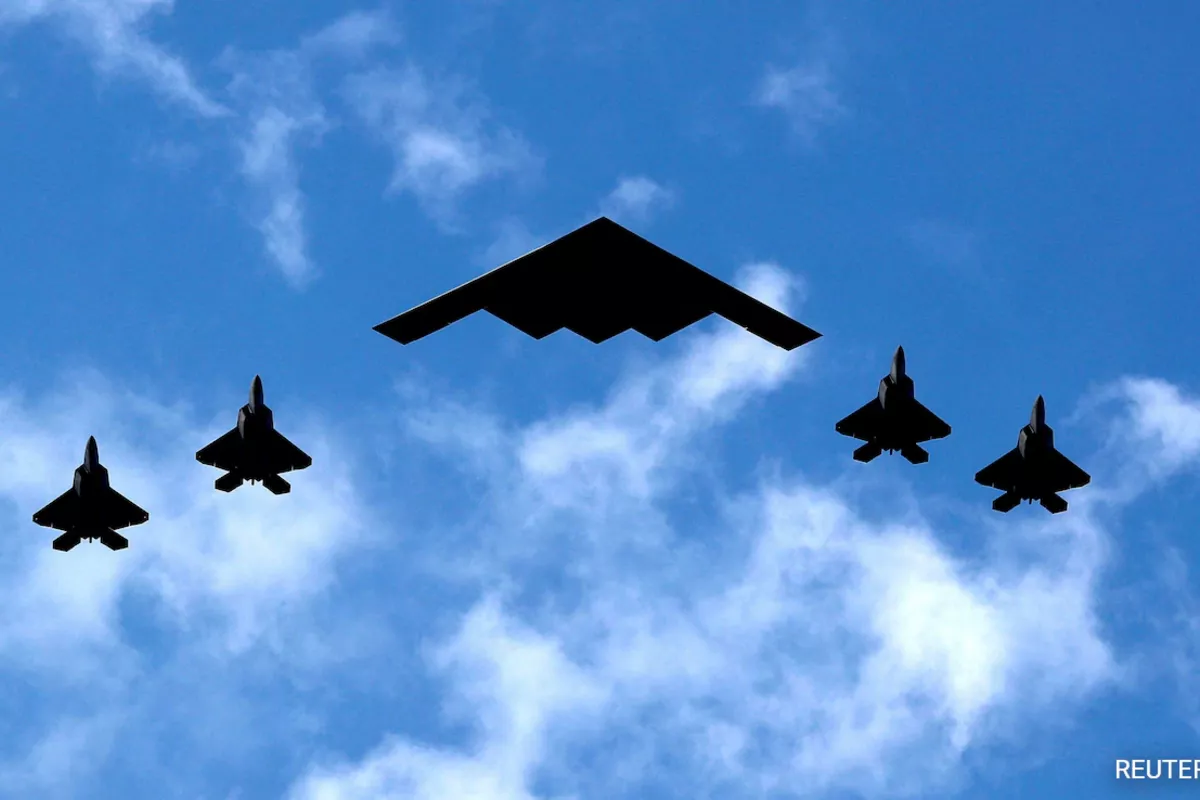
Military analysts say Lajes Field and Keflavik Air Base are both capable of hosting U.S. strategic bombers, including the B-2 Spirit and the B-52H Stratofortress, The Caspian Post reports, citing The War Zone.
The facilities have frequently supported American aircraft for stopovers and transit missions, demonstrating their ability to handle heavy, long-range platforms.
In recent years, the U.S. Air Force has increased efforts to train crews to operate even maintenance-intensive aircraft from unfamiliar or relatively austere locations. Deployments of B-2 bombers to the Azores, Iceland and Wake Island have highlighted this push for greater operational flexibility. The more adaptable B-1B Lancer and B-52 fleets have also flown from multiple allied bases across Europe and beyond.
However, defense specialists stress that short-term deployments differ markedly from sustained combat operations. Prolonged, high-tempo strike missions require extensive pre-positioned equipment, specialized maintenance infrastructure and strong logistical networks to maintain sortie rates. Establishing such support systems at forward bases can be both technically complex and politically sensitive.
Any decision to use European facilities for operations against Iran would depend on approval from host governments. Washington is also said to be evaluating Morón Air Base, where U.S. aerial refueling aircraft are stationed. Access to tanker support could enable bombers to refuel mid-air and conduct missions directly from Europe without relying on bases closer to Iran.
Meanwhile, the United Kingdom has reportedly declined to authorize the use of key British-controlled sites for a potential U.S. strike. According to The Times, London has withheld permission for operations from Diego Garcia and RAF Fairford, citing concerns that involvement could breach international law if the underlying military action were deemed unlawful.
Share on social media