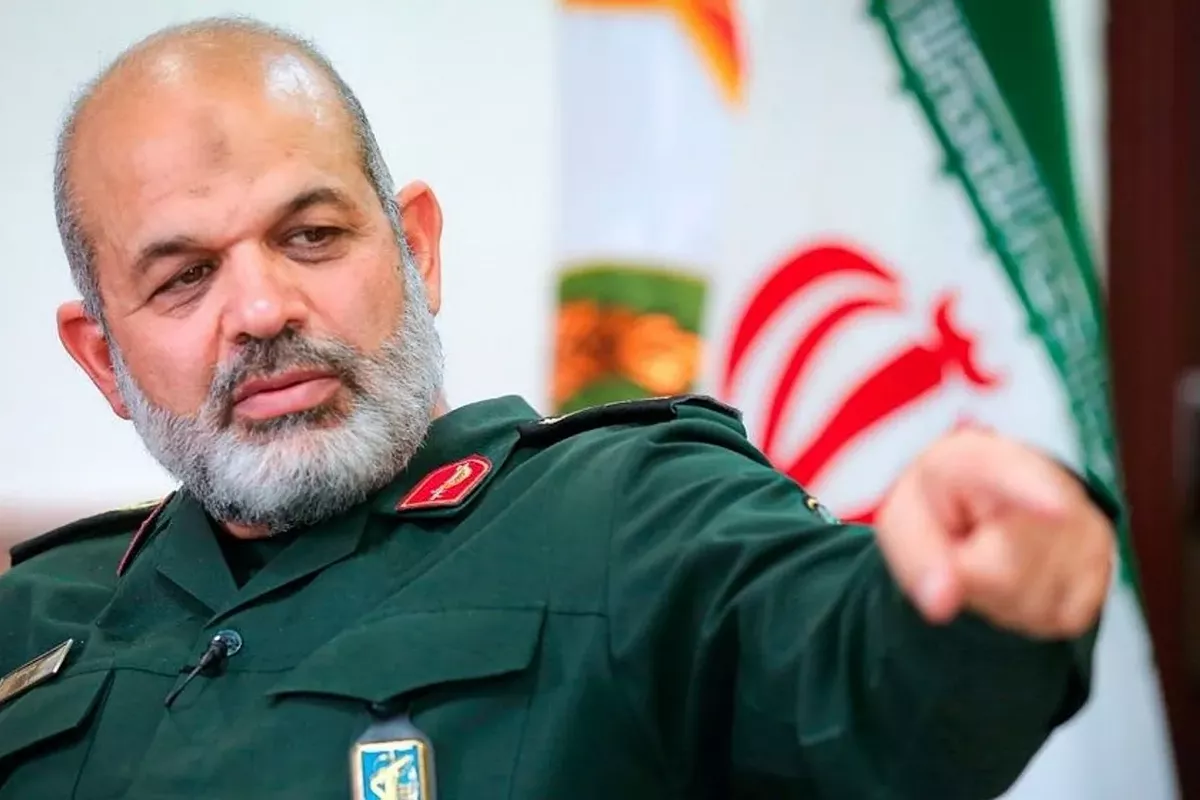
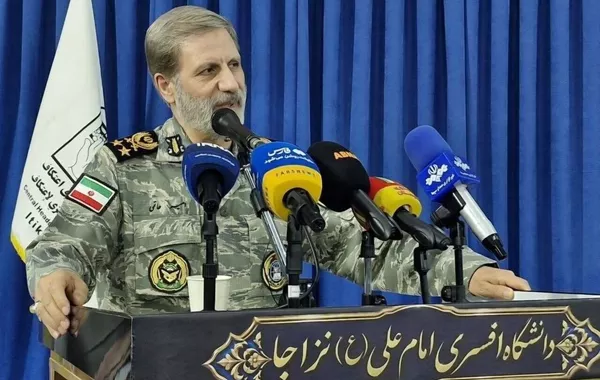
Ahmad Vahidi is a senior Iranian military commander and politician who has played a prominent role in Iran’s security and defense apparatus for decades. Known for his long-standing association with the Islamic Revolutionary Guard Corps (IRGC), Vahidi is part of the generation of officials who helped shape Iran’s modern military doctrine after the 1979 Islamic Revolution. Over the years, he has held several influential positions within Iran’s defense establishment, combining military leadership with political responsibilities. His career underscores the close relationship between Iran’s military institutions and the country’s political elite.
What is the IRGC and why is it important?
The Islamic Revolutionary Guard Corps (IRGC) is one of the most powerful institutions in Iran. Established shortly after the Islamic Revolution in 1979, the IRGC was originally created to defend the revolutionary political system from both internal and external threats. Over time, it has evolved into a multifaceted organization with military, intelligence, economic, and political influence.
Unlike Iran’s regular army, which focuses primarily on territorial defense, the IRGC has a broader mission. It oversees strategic missile forces, controls key elements of Iran’s defense industry, and plays a major role in shaping Tehran’s regional policies. The organization also commands elite units responsible for operations beyond Iran’s borders. Because of its vast influence, the IRGC is widely considered one of the pillars of power within the Islamic Republic.
Why has Ahmad Vahidi been appointed as the new IRGC commander?
Vahidi’s appointment comes during a period of heightened geopolitical tensions surrounding Iran. Tehran is facing increasing pressure from international actors, regional rivals, and internal political dynamics. In such an environment, Iranian leadership often relies on experienced and ideologically loyal figures within the security establishment.
Vahidi's decades of service within the IRGC and his deep familiarity with Iran’s military structures make him a logical choice for leadership in times of crisis. His reputation as a disciplined strategist and a figure closely aligned with the revolutionary ideology likely played an important role in the decision to appoint him.
What positions has Vahidi held in the past?
Throughout his career, Ahmad Vahidi has occupied several high-ranking posts in Iran’s military and political system. One of his most prominent roles was serving as Iran’s Minister of Defense. In that position, he was responsible for overseeing the country’s military modernization programs, weapons development initiatives, and defense cooperation with foreign partners.
In addition to his work as defense minister, Vahidi has been involved in strategic planning within the IRGC. He also served in senior advisory roles related to Iran’s security policy. These positions allowed him to gain extensive experience in both operational command and broader defense strategy.
What role did Vahidi play in the Quds Force?
Ahmad Vahidi is often associated with the early development of the IRGC’s Quds Force, the elite branch responsible for operations outside Iran’s borders. The Quds Force plays a key role in managing Iran’s relationships with allied groups across the Middle East and supporting Tehran’s regional influence.
The unit has been active in various theaters, including Iraq, Syria, and Lebanon. Through these networks, Iran has sought to expand its strategic depth and counterbalance the influence of its regional rivals. Vahidi’s involvement in shaping these structures has contributed to his reputation as a strategist with deep knowledge of Iran’s regional security architecture.
Why is Vahidi considered a controversial figure internationally?
Despite his prominence within Iran’s political and military establishment, Ahmad Vahidi has been the subject of international controversy. Several governments and international organizations have accused him of involvement in activities linked to regional militancy and destabilization.
Because of these allegations, his name has appeared in international investigations and sanction lists. Critics argue that figures associated with the IRGC play a role in expanding Iran’s influence through proxy networks and asymmetric warfare. Iranian officials, however, have consistently rejected such accusations, describing them as politically motivated and part of broader efforts to pressure Tehran.
How influential is the IRGC in Iran’s domestic politics?
The IRGC is not only a military organization but also a powerful political actor within Iran. Over the past several decades, its influence has expanded into many areas of Iranian society. Former IRGC officers have held positions in parliament, government ministries, and major state institutions.
In addition to its political influence, the organization also has a strong economic presence. IRGC-linked companies operate in sectors such as construction, energy, telecommunications, and infrastructure. This combination of military power, political connections, and economic influence makes the IRGC one of the most influential institutions in the country.
How might Vahidi’s leadership shape the IRGC’s future direction?
Analysts believe that Ahmad Vahidi’s leadership could reinforce the IRGC’s traditional strategic priorities. These include strengthening Iran’s deterrence capabilities, expanding missile and drone programs, and maintaining strong regional networks of allied forces.
Given his background, Vahidi is expected to support policies that emphasize strategic resilience and security autonomy. Iran has long pursued the development of indigenous military technologies, and the IRGC has played a central role in that effort. Under Vahidi’s leadership, these programs could continue to expand.
What could his appointment mean for the Middle East?
The appointment of a veteran IRGC commander like Ahmad Vahidi signals that Iran intends to maintain a strong security posture amid ongoing regional tensions. The Middle East remains a complex geopolitical environment, with multiple overlapping conflicts and rivalries.
Observers believe that leadership changes within the IRGC often reflect broader shifts in Iran’s strategic calculations. In times of uncertainty, Tehran tends to rely on experienced figures who have long-standing ties to the security establishment.
For regional actors and international observers, Vahidi’s rise to the top of the IRGC leadership is therefore more than a routine personnel change. It may offer insight into how Iran intends to navigate the evolving security landscape in the Middle East and respond to external pressure in the years ahead.