Kazakhstan, Azerbaijan Pitch Middle Corridor to Japanese Investors
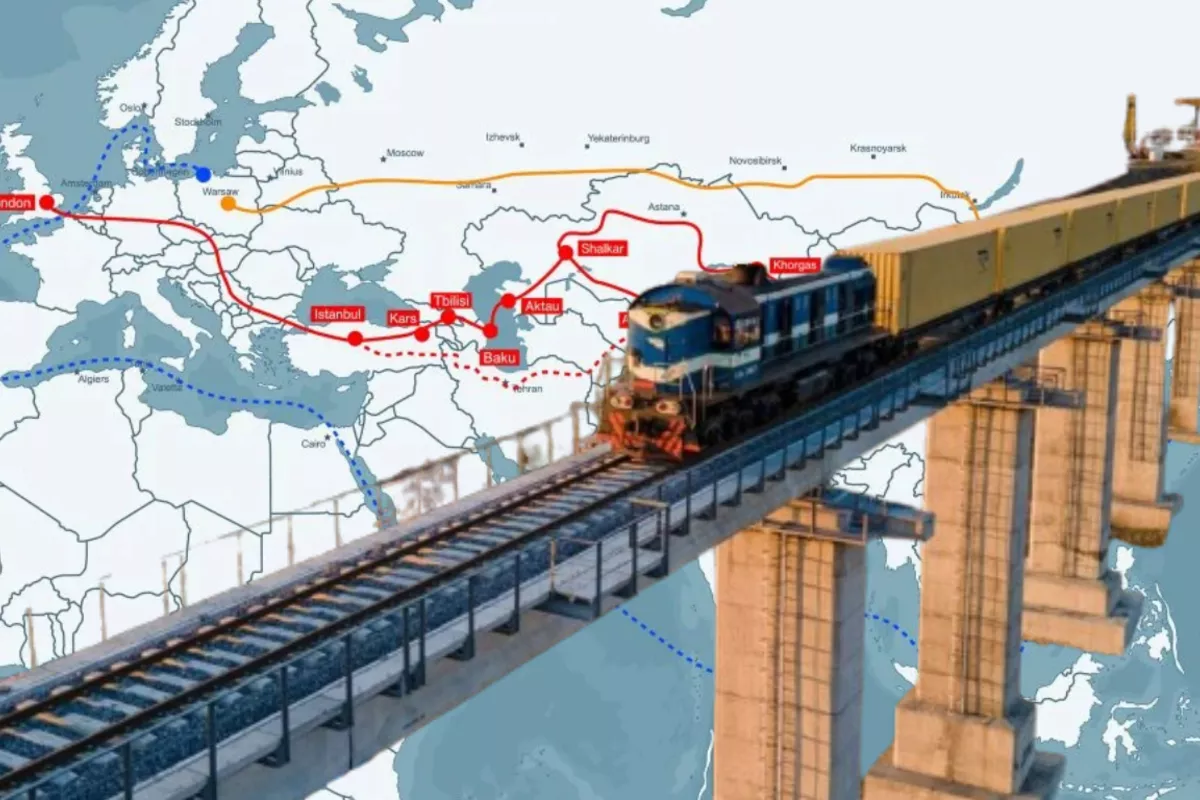
Japan is looking to strengthen transport and trade links with Central Asia and the Caucasus by investing in the Trans-Caspian International Transport Route (TITR), also known as the Middle Corridor, and expanding air connectivity with Kazakhstan.
A conference on improving regional transport links was held in Tokyo on October 19, bringing together around 100 participants, including government officials, representatives of the Japan International Cooperation Agency (JICA), the Business Association ROTOBO and Japanese logistics companies, according to Kazakhstan’s Foreign Ministry.
Kazakhstan’s Ambassador to Japan Yerlan Baudarbek-Kozhatayev and Azerbaijan’s Ambassador Farid Talibov presented their countries’ transport development strategies, highlighting efforts to improve logistics efficiency and expand international cooperation.
Japan’s State Minister of Economy, Trade and Industry, Kei Takagi, emphasized the TITR’s strategic importance as Tokyo seeks to diversify international transport and logistics routes. He said the Middle Corridor creates new opportunities to strengthen Japan’s trade and economic ties with Central Asia and the Caucasus.
Mieko Koyanagi, director of the International Logistics Office at Japan’s Ministry of Land, Infrastructure, Transport and Tourism, presented findings from trial shipments conducted by Japanese companies along the route.
The trials assessed delivery times and costs, customs clearance procedures, and the quality of transport and logistics services, helping businesses evaluate the corridor’s practical potential.
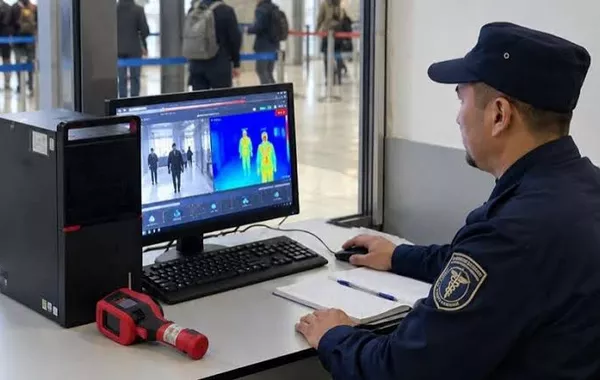
A key focus of the conference was Japan’s support for improving customs operations at Kazakhstan’s Port of Aktau.
The project, valued at up to JPY 719 million, involves installing a large-scale fixed X-ray cargo scanning system. The equipment is expected to reduce cargo inspection times by threefold, helping accelerate freight movement along the Middle Corridor.
The initiative could strengthen the route’s competitiveness by reducing delays and improving the efficiency of trade between Asia and Europe.
The conference also highlighted plans to launch scheduled direct flights between Almaty and Tokyo’s Narita Airport in December 2026.
Adel Dauletbek, Air Astana’s senior regional manager for South Korea and Japan, outlined the prospects for improving air connectivity between the two countries.
The planned service is expected to complement broader efforts to strengthen transport links and facilitate business and economic ties between Japan and Kazakhstan.
The conference also highlighted regional digital connectivity. Baudarbek-Kozhatayev pointed to the commissioning of the Trans-Caspian Fiber-Optic Communication Line in Baku on October 15, 2026, in the presence of Kazakh President Kassym-Jomart Tokayev and Azerbaijani President Ilham Aliyev. The project is expected to expand international data exchange capacity and improve the resilience of digital communications.
Earlier, Kazakhstan and Azerbaijan signed an agreement on the development of the Middle Corridor, reinforcing their commitment to expanding the route’s role in international trade.