Kazakhstan Remains Among World’s Top 10 Zinc Producers

photo: Kazinform

Kazakhstan Remains Among World’s Top 10 Zinc Producers

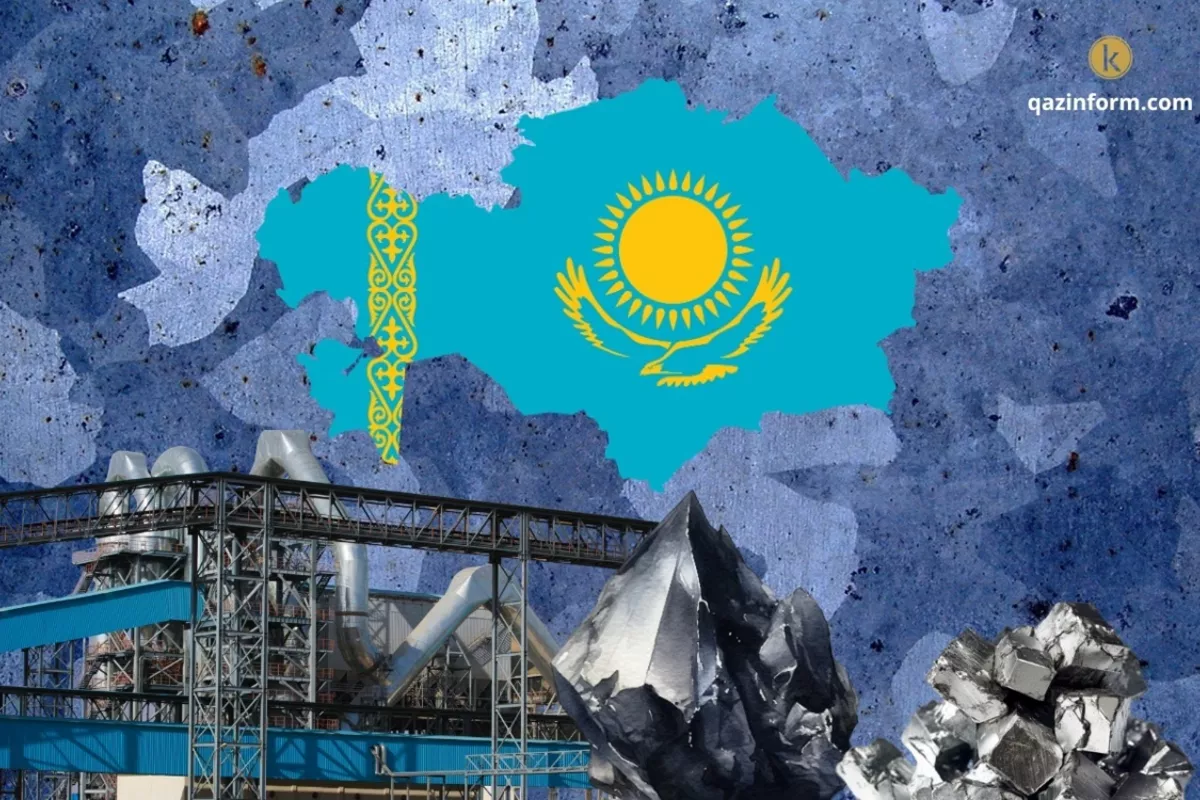
Kazakhstan remained among the world’s top 10 zinc-producing countries in 2025, ranking ninth globally despite a decline in annual output, according to the latest Mineral Commodity Summaries 2026 report by the U.S. Geological Survey (USGS).

Kazakhstan produced an estimated 360,000 metric tons of zinc in 2025, down from 380,000 tons in 2024. The country ranked between Russia and Sweden among the nations individually listed in the report, Kazinform reports.

The country also holds an estimated 7.4 million tons of zinc reserves, with the USGS revising reserve figures for Kazakhstan and several other major producers based on updated company and government data.

China remained the world's largest zinc producer, increasing its output from 4 million tons in 2024 to 4.1 million tons in 2025. Peru ranked second with 1.5 million tons, followed by Australia with 1.1 million tons and India with 870,000 tons.

Russia recorded one of the sharpest increases, with production rising from 310,000 tons to 430,000 tons, allowing it to move ahead of Kazakhstan in the global ranking.

Global zinc mine production reached an estimated 13 million tons in 2025, up from 11.9 million tons a year earlier. Worldwide zinc reserves were estimated at around 240 million tons, while total global resources stand at approximately 1.9 billion tons.

Zinc remains a key industrial metal, with its primary use in galvanized steel, particularly in the automotive and construction industries. It is also widely used in the production of brass, bronze and other zinc-based alloys.

The Mineral Commodity Summaries 2026, published by the USGS, provides one of the earliest comprehensive overviews of global mineral production in 2025, covering more than 90 minerals and materials.

Related news

Kazakhstan Remains Among World’s Top 10 Zinc Producers

Kazakhstan remained among the world’s top 10 zinc-producing countries in 2025, ranking ninth globally despite a decline in annual output, according to the latest Mineral Commodity Summaries 2026 report by the U.S. Geological Survey (USGS).