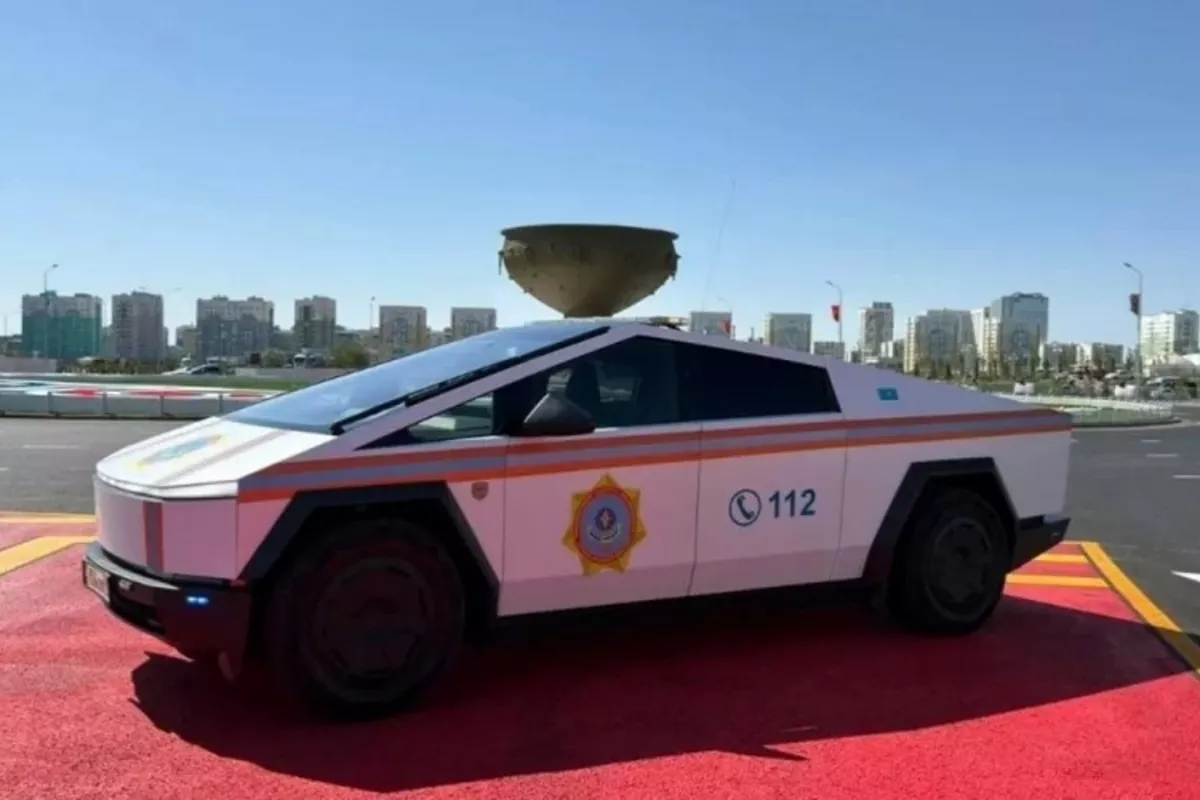
Kazakhstan is expanding the use of Tesla Cybertrucks in its emergency response fleet as part of a broader modernization strategy aimed at improving rescue operations, increasing efficiency, and reducing response times during emergencies.
Officials from the Ministry of Emergency Situations say the country’s first Cybertruck has already performed successfully in real-life rescue situations, encouraging authorities to consider purchasing additional vehicles in the near future.
The initiative reflects Kazakhstan’s growing interest in adopting modern technology and advanced vehicles for public safety services.
Who Confirmed the Plans to Expand the Cybertruck Fleet?
Vice Minister for Emergency Situations Yerbolat Sadyrbayev confirmed the plans during a government meeting. According to him, the ministry is satisfied with the initial results from the first Cybertruck deployed in Almaty.
He explained that emergency services require vehicles capable of responding quickly and effectively under difficult conditions, and the Cybertruck has demonstrated strong operational performance.
“Our ministry deals with emergencies where every minute counts,” Sadyrbayev said. “The Cybertruck has shown high efficiency in responding to various emergency situations. We are talking about saving people's lives.”
Where is the Cybertruck Currently Being Used?
The first Tesla Cybertruck was purchased by the Emergency Situations Department in Almaty, Kazakhstan’s largest city and one of the country’s busiest urban centers.
Emergency teams in Almaty have already used the vehicle in operational situations, where officials say it proved effective in supporting rapid-response missions.
Authorities did not disclose the exact types of emergencies where the vehicle was used, but they emphasized that the truck performed well in time-sensitive rescue operations.
Why are Emergency Services Interested in the Tesla Cybertruck?
Emergency officials believe the Cybertruck offers several practical advantages that could improve rescue work and disaster response operations.
Some of the key benefits include:
- Fast acceleration and quick mobility during urgent situations
- Strong towing and cargo capabilities
- Durable exterior construction
- Advanced onboard technology and navigation systems
- Lower maintenance requirements compared to traditional fuel-powered vehicles
- Reduced fuel costs through electric operation
Officials also see electric vehicles as part of the long-term transition toward more modern and sustainable public service transportation systems.
How Could Electric Vehicles Improve Emergency Response Times?
Response speed is one of the most important factors in emergency management. Whether responding to fires, accidents, floods, earthquakes, or rescue calls, even a few minutes can make a major difference.
Electric vehicles like the Cybertruck can potentially improve emergency operations by offering:
- Instant torque for faster acceleration
- Reliable performance in urban environments
- Simplified mechanical systems with fewer maintenance interruptions
- Advanced communication and monitoring technology integration
Kazakhstan’s emergency ministry says improving response time remains a key priority because faster interventions can help save lives and reduce damage during disasters.
Is Kazakhstan Replacing All Emergency Vehicles with Cybertrucks?
No. Officials have not announced any plans to completely replace the country’s emergency fleet with Tesla vehicles.
Instead, the ministry is gradually modernizing its fleet by introducing newer technologies and testing vehicles that may improve rescue capabilities.
Traditional rescue trucks, fire engines, ambulances, and off-road vehicles are expected to remain part of the emergency system. The Cybertruck is currently being evaluated as an additional tool that could complement existing equipment.
Could Kazakhstan Buy More Cybertrucks in the Future?
Yes. According to officials, more Cybertrucks are likely to be purchased following the successful deployment of the first vehicle.
The ministry said fleet renewal remains an ongoing process, and authorities are continuing to assess modern vehicles that can strengthen emergency response operations across the country.
Future purchases may depend on operational performance, costs, infrastructure readiness, and the results of continued testing.
Why is Kazakhstan Modernizing its Emergency Vehicle Fleet?
Kazakhstan has been working to improve disaster preparedness and emergency response capabilities in recent years.
Modern rescue operations often require advanced technology, rapid mobility, and durable equipment capable of operating in harsh weather conditions and difficult terrain. By upgrading its vehicle fleet, the government hopes to improve efficiency, strengthen rescue services, and better protect the public during emergencies.
Officials say the modernization process focuses on both technological innovation and operational effectiveness.
Are Other Countries Using Electric Vehicles for Emergency Services?
Yes. Around the world, governments and emergency agencies are increasingly testing electric vehicles for police, rescue, ambulance, and firefighting operations.
Countries in Europe, North America, and Asia have introduced electric patrol cars, electric ambulances, and battery-powered emergency vehicles as part of broader efforts to modernize public services and reduce emissions.
However, Kazakhstan’s adoption of the Tesla Cybertruck for rescue operations has attracted attention because the vehicle is still relatively new and has rarely been used in official emergency fleets globally.
What Challenges Could Come with Using Electric Emergency Vehicles?
While electric vehicles offer several advantages, they also present challenges that governments must address before large-scale adoption.
Possible concerns include:
- Charging infrastructure availability
- Battery performance in extreme weather
- Vehicle range during long emergency missions
- Repair and maintenance logistics
- Initial purchase costs
Kazakhstan’s authorities are expected to continue evaluating these factors as they test the Cybertruck’s long-term effectiveness in rescue operations.
What Does This Move Say About Kazakhstan’s Technology Strategy?
The decision to integrate advanced electric vehicles into emergency services highlights Kazakhstan’s interest in modernization and technological innovation.
By experimenting with new equipment and transportation technologies, the government aims to improve public services while adapting to global trends in sustainability and digital transformation.
The Cybertruck project may also serve as a pilot program for the future use of electric vehicles in other government sectors.