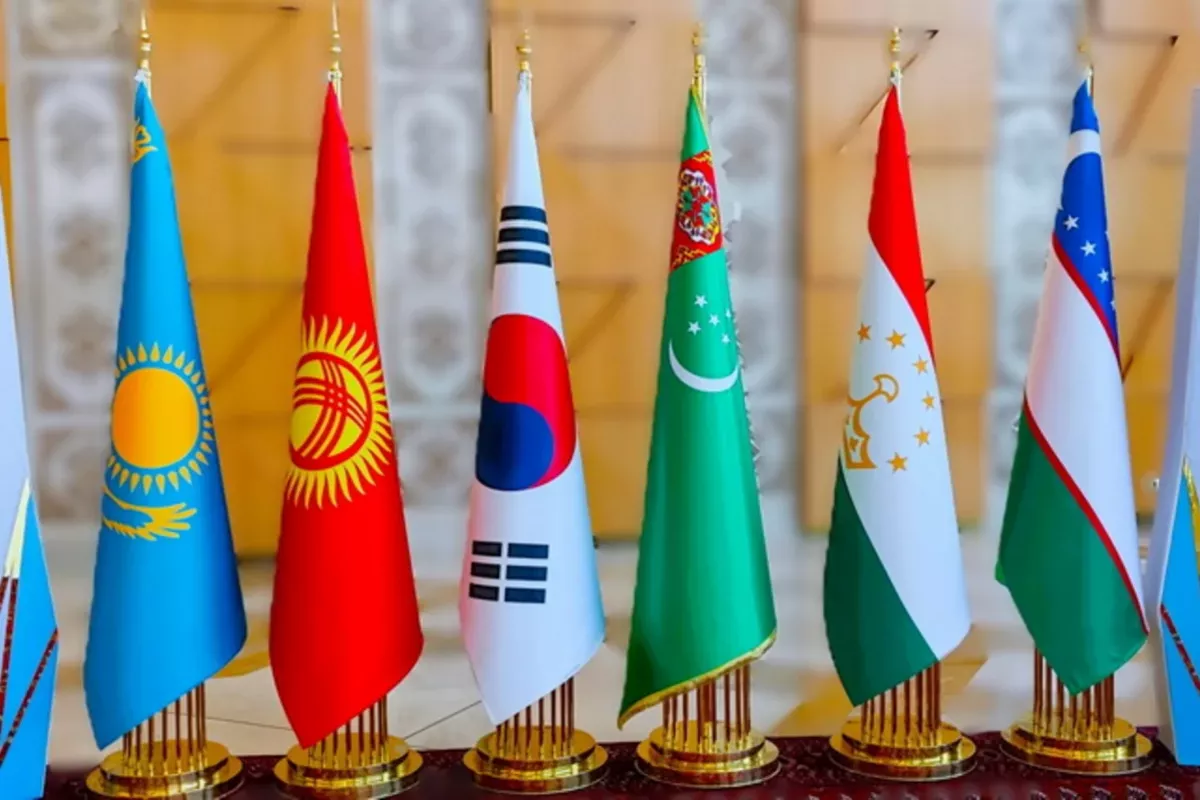
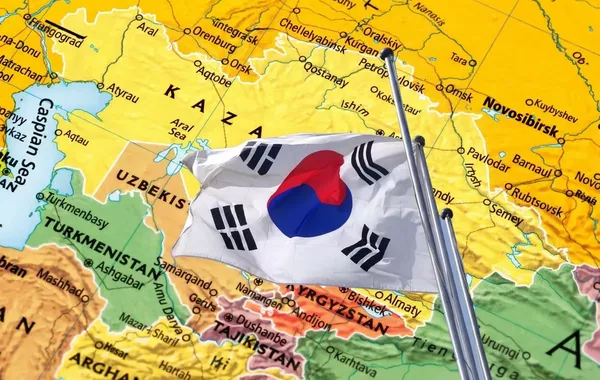
The Central Asia - South Korea Summit, set to take place in September 2026 in Seoul, represents a major diplomatic milestone in relations between East Asian powers and the five Central Asian republics - Kazakhstan, Kyrgyzstan, Tajikistan, Turkmenistan, and Uzbekistan. This is the first summit of its kind, reflecting Seoul’s intention to elevate its engagement with Central Asia from bilateral cooperation to a comprehensive multilateral platform.
Historical and Strategic Context
Central Asia has historically been a crossroads of empires, trade routes, and cultural exchange. Since the collapse of the Soviet Union in 1991, the region’s five independent states have pursued multi-vector foreign policies aiming to balance relationships with major global powers such as China, Russia, the United States, the European Union, and increasingly, Japan and South Korea.
Until recently, engagement with Central Asia from the Asia-Pacific region beyond Russia and China was limited. However, in the past decade, both South Korea and Japan have begun to recognize the region’s growing geopolitical and economic importance. Seoul’s decision to convene a dedicated summit underscores its desire to transition from project-specific cooperation to a broader, strategic partnership with the region. This transition parallels similar efforts by other global actors - for example, the Western-led C5+1 format that engages Central Asian states with the United States and partners such as the European Union and Japan.
Geoeconomic Drivers
Central Asia is rich in natural resources - hydrocarbons, uranium, and critical minerals key to modern technology and energy transitions. For South Korea, an advanced industrial economy with heavy reliance on imported raw materials and energy, access to diversified supply chains is increasingly crucial. This need is mirrored in Japan’s strategic approach, where critical minerals and rare earth elements were major topics at the recent Central Asia - Japan summit in Tokyo. The Japanese summit highlighted cooperation in supply chains that are less dependent on China, a point of growing economic and strategic significance for East Asian economies.
South Korea’s summit is expected to build on this concept by facilitating economic links that go beyond resource extraction - including technology transfer, value chain integration, joint research and innovation, and sustainable infrastructure. Seoul is likely to emphasize industrial cooperation in sectors such as renewable energy technologies, digital infrastructure, smart cities, and transportation corridors connecting Central Asia to East Asia.
Regional Connectivity and Infrastructure
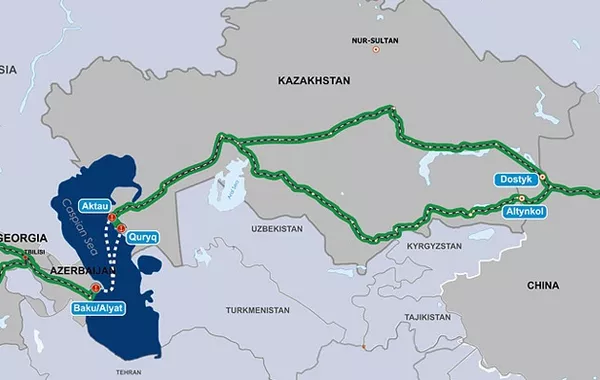
Connectivity will be a central theme for the summit. Central Asia has long sought to improve links to global markets, both to spur regional economic growth and to reduce dependence on singular economic lifelines that pass through Russia or China. Enhanced transport corridors, rail links, and digital networks are priorities for Central Asian states as they pursue economic diversification and integration.
For South Korea, supporting such infrastructure not only expands Korean economic influence but also aligns with broader strategic goals of integrating Eurasian markets into global value chains that include South Korean technology and investments. South Korea’s New Northern Policy, which was initially focused on northeast Asia and Russia, could be expanded in substance through partnerships with Central Asia, creating new routes for trade and investment.
Security Cooperation and Stability
Security is another cornerstone of the expected summit discussions. Central Asia faces multiple security challenges - from radicalization threats and border instability to cybersecurity risks and climate-related disasters. While South Korea is not a military power on the scale of Russia or China, it brings experience in peacebuilding, counter-terrorism cooperation, and disaster management garnered from its own national security evolution.
Joint initiatives could include security dialogues, joint training programs, and information-sharing mechanisms aimed at addressing cross-border threats. These measures would complement existing regional security frameworks and create avenues for South Korea to contribute to Central Asia’s stability within a broader multilateral context.
Diplomatic Balancing and Multipolar Engagement
Perhaps the most significant objective of the summit from the Central Asian perspective is the opportunity to further diversify diplomatic partnerships. Central Asian states have long pursued multi-vector foreign policies - engaging with great powers and regional actors without allowing any single partner to dominate their geopolitical choices. The summit with South Korea aligns with this approach, offering a platform where Central Asia can assert its autonomy by attracting cooperation from a non-traditional partner with high economic potential.
For South Korea, the summit is an opportunity to deepen its footprint in a region that is increasingly recognized as pivotal in Eurasian geopolitics. As global competition intensifies - notably among the U.S., China, Russia, and the EU - South Korea’s diplomatic outreach to Central Asia reflects a desire to be a third pole of influence, distinct from both Western alliances and Great Power rivalry.
Cultural and People-to-People Exchanges
The Seoul summit also presents an avenue to expand cultural diplomacy and educational cooperation. Exchanges between academic institutions, youth leadership programs, language initiatives, and tourism development can create long-term soft power connections that reinforce economic and political ties. These interactions help build mutual understanding and trust, foundations upon which durable partnerships are constructed.
Central Asia - Japan Summit: A Parallel Track
In December 2025, Tokyo hosted the first leaders-level Central Asia - Japan summit, marking a significant deepening of ties between Japan and the Central Asian states.
Objectives and Outcomes
The Tokyo summit aimed at institutionalizing cooperation by creating mechanisms for ongoing dialogue and coordination. Leaders discussed strengthening partnerships in economic development, connectivity, sustainability, and human capital, with an emphasis on long-term engagement rather than ad hoc projects.
During the summit, President Shavkat Mirziyoyev of Uzbekistan proposed that future summits be held every two years and supported expanded cooperation frameworks in areas such as justice, education, and environmental policy. This signals a desire to institutionalize a broad-based partnership that transcends simple trade relations.
Strategic Significance
Japan’s focus on sustainability, green growth, and critical mineral supply chains positions it as a partner that Central Asian nations see as a neutral and technologically advanced actor - particularly valuable in reducing overdependence on dominant regional powers like China and Russia. The summit also highlighted Japan’s role in promoting climate resilience and environmental cooperation in Central Asia - a region increasingly vulnerable to climate change impacts.
Japan’s engagement parallels South Korea’s but is distinguished by Tokyo’s greater emphasis on green technologies and independent supply chains, reflecting Japan’s domestic industrial priorities as well as its broader strategy to secure diversified sources for resources critical to its advanced manufacturing sectors.
Conclusion: A New Geopolitical Architecture for Central Asia
The Central Asia - South Korea Summit is poised to become a landmark event that elevates an emerging partnership to strategic significance. It reflects mutual interests - Central Asia’s pursuit of diversified economic and diplomatic ties, and South Korea’s aim to expand its geopolitical footprint beyond Northeast Asia and step into the strategic crossroads of Eurasia. The summit is expected to cover economic cooperation, infrastructure development, security collaboration, cultural exchange, and innovative supply chain integration.
At the same time, the Central Asia - Japan Summit illustrates how Tokyo is weaving a comprehensive partnership that balances economic development with sustainability and resilience priorities.
Together, these summits signal a broader trend: Central Asia is increasingly becoming a hub of global engagement where economic potential, strategic competition, and diplomatic autonomy converge. As the region navigates a complex multipolar landscape, partnerships with East Asian powers like South Korea and Japan will be vital in shaping a more interconnected, resilient, and diversified future for Central Asia.