Certain Hardship in Uncertain Times: The Economic Ramifications of the US/Israeli Strikes on Iran
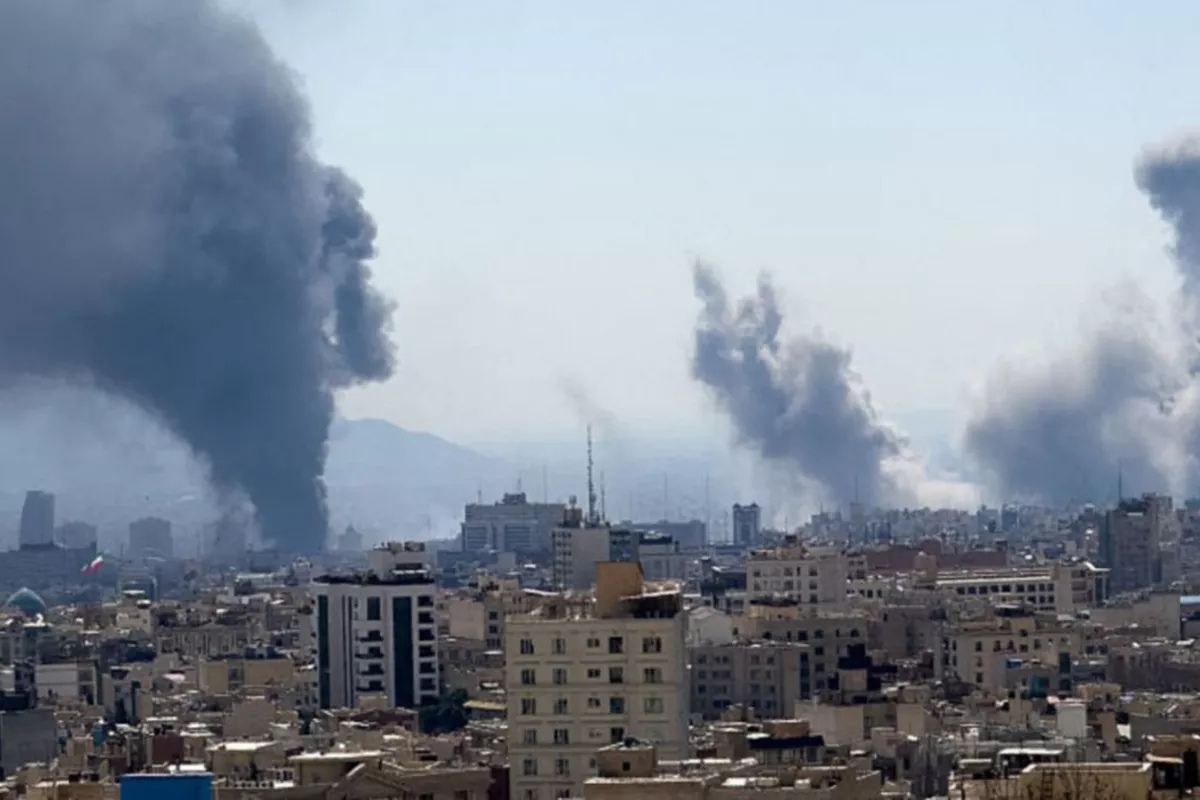
On Feb. 28, 2026, the United States and Israel launched a military attack on Iran, killing its Supreme Leader, Ali Khamenei, and other senior officials.
A notable consequence of the ongoing war is the deteriorating prospects for the global economy. In fact, the economic damage could outlive the military campaign itself.
The Strait of Hormuz: The global economy’s jugular vein
Iran has effectively blockaded the Strait of Hormuz, through which approximately 20% of the world’s oil and gas is exported. Consequently, this-alongside attacks on oil and gas facilities in the Gulf-led to sharp increases in energy prices. It should be noted that while prices peaked at around $120 per barrel, they have yet to reach the levels seen prior to the 2008 Financial Crisis (just under $150 per barrel). Nonetheless, this increase will augment production costs and hit consumers’ disposable incomes through higher petrol and energy prices. A prolongation of the blockade would provoke another cost-of-living crisis as producers pass increasing costs onto consumers. With consumption typically representing no less than 60% of GDP in developed countries, this would engender ‘stagflation,’ akin to what transpired in the 1970s. Moreover, higher inflation would force central banks to keep interest rates relatively high, making borrowing more expensive. In turn, this would perpetuate slower growth and generate a vicious cycle.
Energy, industrial, and export facilities as principal victims
The war has also seen industrial infrastructure in Iran and Gulf Cooperation Council (GCC) countries being targeted. For example, the South Pars gas field (the world’s largest) was hit, as was Saudi Arabia’s Ras Tanura refinery. Key ports and export centers, such as Kharg Island and Jebel Ali, were also attacked. The effect goes beyond oil and natural gas markets. The price of fertilizer, for example, has risen significantly, as much of the world’s supply passes via the Gulf region. The price of helium (essential for manufacturing semiconductors) also increased, with over a third of global supply exported by Qatar. In addition, disruption to smelter activity in the Gulf has undermined aluminum production and exports. These commodities represent significant components of daily-use products. More worryingly, attacks on energy, industrial and export facilities suggest that even a reopening of the Strait of Hormuz may not sufficiently reduce prices due to reduced production potential and continued uncertainty regarding the war’s direction.
The Gulf’s economic model undone
One thing that has been irrevocably undone is the GCC countries’ economic model, which is centered on political and economic stability to promote diversification. The war has shattered the Gulf’s image as a peaceful oasis, and restoring that image will be arduous. Sectors such as tourism, commercial travel, and artificial intelligence-on which these countries have based their economic transition plans-are strongly undermined by the conflict. The war has also highlighted strategic vulnerabilities, from overreliance on desalination plants for water to continuing dependence on commodity exports to finance ambitious socioeconomic plans.
International winners and losers
Globally, there have been many losers but also some winners from this conflict. The Global South finds itself undermined again by a war not of its own making. Much like the conflict in Ukraine, this war is pushing food prices higher, to these countries’ detriment. Meanwhile, Asian countries such as India and Japan are overly dependent on oil and gas imports from the Gulf and risk seeing their economic plans undermined. However, countries such as Russia, Canada, and Norway have somewhat benefited from the crisis; the US has relaxed some sanctions on Russian oil exports, while Canada and Norway are replacing some of the Gulf’s supply in the short term.
The gloomy future of international trade
Global supply chains had been metamorphosing long before this war. The conflict, however, is likely to accelerate the rupture of supply chain patterns. The final result remains to be seen, but events point to countries pursuing resilience by securing supplies of vital commodities to fulfill strategic national interests. The previous trade order, centered on a globalized economic framework, is becoming increasingly obsolete.
How governments and central banks could navigate this crisis
Earlier, a reference was made to stagflation during the 1970s. We could soon experience something similar. However, what makes this situation potentially more dangerous is that many developed and emerging economies have high budget deficits and debt-to-GDP ratios, which limit their fiscal maneuverability. Many countries face political sclerosis, while socioeconomic inequities undermine cohesion and foment polarization. Stagflation will make these issues much worse.
While there are no easy fixes, governments and central banks should employ a mix of short and long-term strategies. In the short term, containing inflation, ensuring that growth is inclusive by ringfencing social support programs, and diversifying energy supplies are necessary. Over the long term, a strategic plan that champions environmentally sustainable economic growth, diversifying international trade relations, and aligning national and regional economic priorities is fundamental to developing the resilience that countries desire.