The Strait of Hormuz is often described as one of the most important maritime corridors in the world-and for good reason. Despite its relatively narrow width, this passage carries an outsized share of global energy supplies, making it a cornerstone of international trade and geopolitical stability.
Understanding why the Strait of Hormuz is considered a global chokepoint requires a closer look at its geography, economic importance, historical tensions, and strategic vulnerabilities.
A Narrow Passage with Global Reach
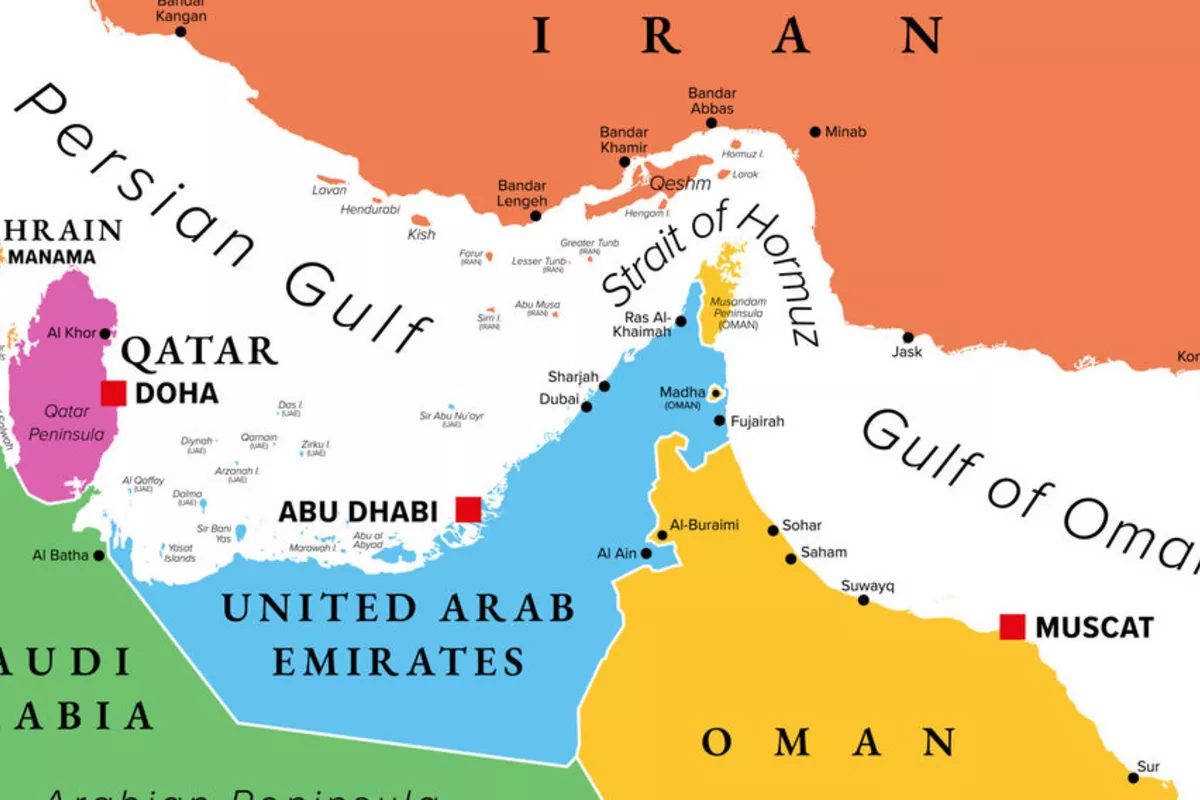
Geographically, the Strait of Hormuz connects the Persian Gulf to the Gulf of Oman and ultimately the Arabian Sea. At its narrowest point, the strait is only about 33 kilometers (21 miles) wide, with shipping lanes in each direction just a few kilometers across. This limited width means that any disruption-whether due to conflict, accidents, or natural causes-can quickly affect global shipping flows.
The countries bordering the strait, primarily Iran to the north and Oman and the United Arab Emirates to the south, further underscore its strategic sensitivity. Its location at the crossroads of major oil-producing regions gives it a level of importance unmatched by most other waterways.
The Lifeline of Global Energy Markets
One of the main reasons the Strait of Hormuz is considered a chokepoint is the sheer volume of energy resources that pass through it. Roughly 20% of the world’s oil consumption flows through this corridor daily. In addition to crude oil, large quantities of liquefied natural gas (LNG) also transit the strait, particularly from Qatar, one of the world’s leading LNG exporters.
Major oil-producing nations-including Saudi Arabia, Iraq, Kuwait, and the United Arab Emirates-depend heavily on this route to export their resources to global markets. Tankers leaving ports in the Persian Gulf must pass through the Strait of Hormuz to reach customers in Asia, Europe, and beyond.
This concentration of energy flows through a single narrow channel creates a classic chokepoint scenario: if the strait is blocked or restricted, a significant portion of global energy supply is immediately affected.
Why Chokepoints Matter
A maritime chokepoint is a narrow route that is essential for global trade but difficult to navigate or bypass. The Strait of Hormuz fits this definition perfectly. Unlike broader ocean routes, there are limited alternative pathways for the energy resources transported through it.
While some countries have invested in pipelines to bypass the strait-such as Saudi Arabia’s East-West pipeline or the UAE’s pipeline to the port of Fujairah-these alternatives can only handle a fraction of total صادرات. The majority of oil exports still rely on tanker routes through the strait.
This lack of redundancy means that even minor disruptions can have outsized consequences. A temporary closure or threat to shipping can trigger immediate spikes in global oil prices, disrupt supply chains, and create economic uncertainty worldwide.
A History of Tensions and Security Risks
The strategic importance of the Strait of Hormuz has made it a focal point of geopolitical tensions for decades. Its proximity to Iran, which has periodically threatened to restrict access to the strait during times of conflict, adds to its volatility.
During the Iran-Iraq War, the strait became a battleground in what was known as the “Tanker War,” where both sides targeted oil shipments. More recently, incidents involving tanker seizures, drone attacks, and naval standoffs have underscored the ongoing risks associated with the waterway.
The presence of international naval forces, including those from the United States and its allies, reflects the global stakes involved in maintaining open access. Ensuring freedom of navigation in the strait is considered a top priority for many countries that rely on stable energy supplies.
Economic Implications of Disruption
The global economy is highly sensitive to changes in energy supply, and the Strait of Hormuz plays a central role in this dynamic. Even the perception of risk in the strait can lead to volatility in oil markets.
If shipping through the strait were significantly disrupted, the consequences would be immediate:
- Oil price spikes: Reduced supply would drive prices higher, affecting everything from transportation costs to food prices.
- Supply chain disruptions: Industries reliant on energy inputs would face increased costs and potential shortages.
- Economic slowdown: Higher energy costs can dampen economic growth, particularly in energy-importing countries.
Because of these potential impacts, the Strait of Hormuz is closely monitored by governments, energy companies, and financial markets around the world.
Strategic Importance Beyond Energy
While energy transport is the primary reason for the strait’s importance, its strategic value extends beyond oil and gas. The waterway is also a key route for general cargo and military movement, making it vital for both commercial and defense purposes.
Control over or influence in the Strait of Hormuz provides significant geopolitical leverage. Countries in the region, as well as global powers, recognize that the ability to secure-or threaten-this passage can shape international relations and negotiations.
Efforts to Reduce Dependence
Given the risks associated with relying on a single chokepoint, many countries have taken steps to diversify their energy transport routes. These efforts include:
- Building pipelines that bypass the strait
- Expanding storage facilities to buffer supply disruptions
- Investing in alternative energy sources to reduce reliance on oil
Despite these measures, the Strait of Hormuz remains irreplaceable in the short to medium term. The scale of energy flows it handles cannot easily be replicated elsewhere.
The Strait’s Role in a Changing Energy Landscape
As the world gradually transitions toward renewable energy, the long-term importance of the Strait of Hormuz may evolve. However, oil and gas are expected to remain central to the global energy mix for decades to come.
Emerging economies in Asia, in particular, continue to drive demand for energy imports, much of which passes through the strait. This ensures that it will remain a critical chokepoint for the foreseeable future.
At the same time, the shift toward cleaner energy sources could eventually reduce the strategic pressure on the strait. Until then, it will continue to be a focal point of global attention.
Conclusion
The Strait of Hormuz is considered a global chokepoint because it combines three critical factors: geographic narrowness, massive energy throughput, and geopolitical sensitivity. Its role as the primary gateway for a significant share of the world’s oil and gas exports makes it indispensable to the global economy.
Any disruption in this narrow passage has the potential to reverberate across markets, industries, and nations. As a result, the Strait of Hormuz is not just a regional feature-it is a linchpin of global stability and a constant reminder of how interconnected the modern world has become.
Understanding its importance helps explain why this relatively small stretch of water continues to command such significant attention on the world stage.