Türkiye Inks Deal for 20 KAAN Jet Fighters
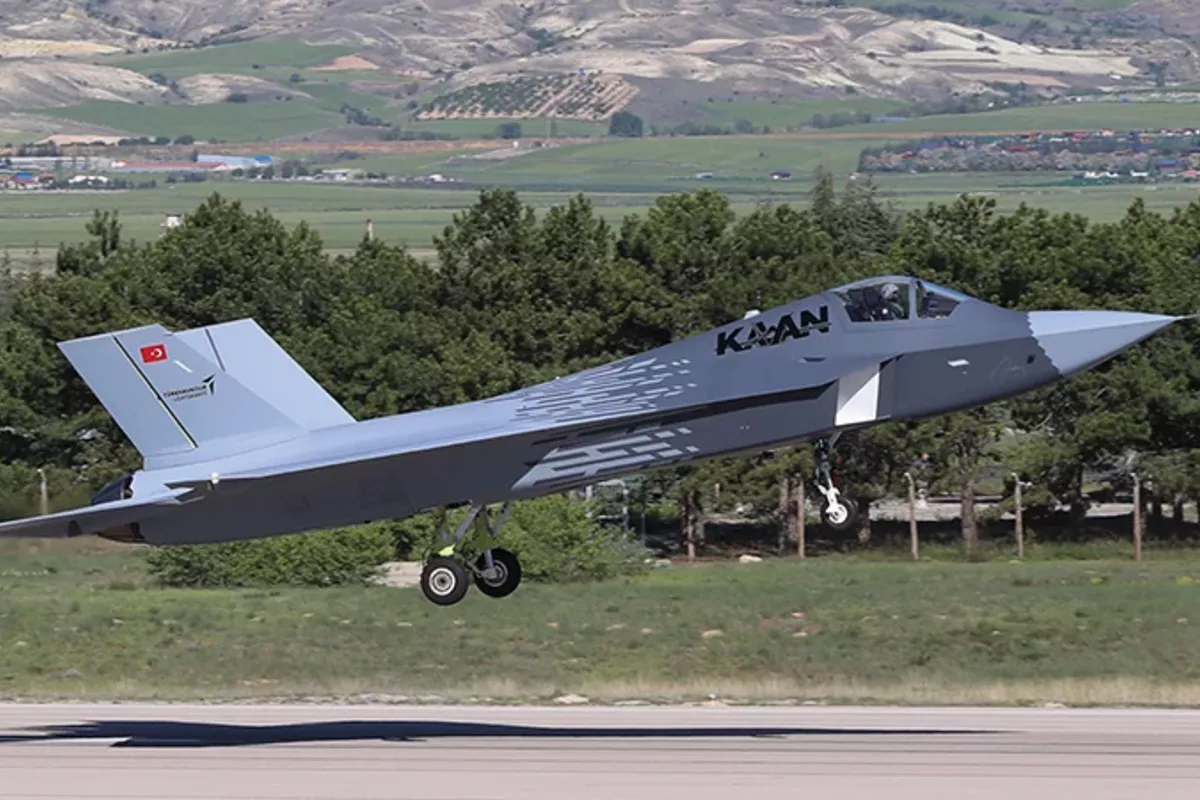
Türkiye has finalized a procurement contract for its KAAN fifth-generation fighter jet, pledging to deliver 20 aircraft to the Turkish Air Force between 2028 and the end of 2030.
The contract covers 20 KAAN aircraft in the Block-10 configuration, with the first delivery planned for 2028 and the full batch scheduled for completion by the close of 2030, according to reporting by Ulus Savunma. The Block-10 designation indicates an initial production standard - a configuration baseline that typically precedes more capable Block variants incorporating additional systems, weapons integrations, and software upgrades that mature as the program develops.
Türkiye is locking in its first production aircraft while the more advanced capabilities expected in subsequent blocks continue development in parallel.
The KAAN is developed by Turkish Aerospace Industries, known by its Turkish acronym TUSAŞ, and represents Türkiye’s bid to join the small group of nations capable of designing, developing, and producing a fifth-generation combat aircraft entirely within their own industrial base. The aircraft is a twin-engine, low-observable multirole platform optimized for operations across a wide spectrum of missions, from air superiority to deep strike. Its physical dimensions place it in the class of large, capable fighters: 20.3 meters in length, 13.4 meters of wingspan, and 5 meters in height, with a maximum takeoff weight of 34,750 kilograms. The airframe can reach Mach 1.8 and operate at a service ceiling of 55,000 feet, with the two afterburning turbofan engines providing the thrust-to-weight ratio needed to sustain supersonic performance across a meaningful operational envelope.
The fifth-generation characteristics that TUSAŞ has built into the KAAN’s design go beyond speed and ceiling. Low observability - the reduced radar cross-section that defines stealth-capable aircraft - is a foundational design principle rather than an add-on, incorporated into the airframe geometry, inlet design, and surface treatments from the outset. Supercruise capability, the ability to sustain supersonic flight without afterburner, is listed among the platform’s design objectives alongside high maneuverability and extended operational range. The avionics architecture centers on sensor fusion, advanced datalink connectivity, and precision-guided munitions integration - the combination that allows a fifth-generation aircraft to build and share a common operational picture with other networked assets while engaging targets with precision that earlier generations of fighters could not achieve.
The KAAN program emerged from Türkiye’s strategic decision, accelerated by its exclusion from the F-35 program following the purchase of Russian S-400 air defense systems in 2019, to develop sovereign fifth-generation air combat capability rather than depend on foreign procurement. That exclusion removed Türkiye from access to the most capable Western fighter in production and created both the necessity and the political will to accelerate TUSAŞ’s indigenous program. The first KAAN prototype flew in February 2023, a milestone that demonstrated the aircraft’s basic airworthiness and opened the path to the expanded flight test program that has preceded this procurement contract.
The engine question has been one of the most closely watched aspects of the KAAN program throughout its development. The Block-10 aircraft will be powered by General Electric F110 engines - the same turbofan that powers F-16 variants - while Türkiye continues development of an indigenous engine for future KAAN variants. The F110 is a capable and proven engine with a long service record, but its use in the Block-10 configuration represents a dependency on a foreign supplier that Türkiye’s defense industrial policy aims to eliminate in subsequent blocks. The domestic engine development program running in parallel with KAAN production is one of the most technically challenging elements of Türkiye’s broader aerospace ambitions, and the timeline for its maturation will significantly shape when a fully sovereign KAAN configuration becomes achievable.
The procurement contract’s 2028 to 2030 delivery window puts KAAN entry into Türkiye Air Force service roughly concurrent with the retirement timeline for some of Türkiye’s older F-16 airframes, providing a degree of force structure continuity even as the new platform establishes its operational baseline. Twenty aircraft in Block-10 configuration is not a large fleet by the standards of major air power programs, but it is enough to establish the operational infrastructure - trained pilots, maintenance personnel, ground support equipment, mission planning systems - that a new aircraft type requires before larger-scale procurement becomes practical.
See the original article here