Does Kazakhstan’s Power-Generating Capacity Match its AI Ambitions?
Kazakhstan’s Ministry of Artificial Intelligence and Digital Development has signed an agreement with an international consortium to start building out the government’s plan to turn the Central Asian state into a data center hub. The project’s timeline appears to hinge on Kazakhstan’s ability to close an existing power deficit.
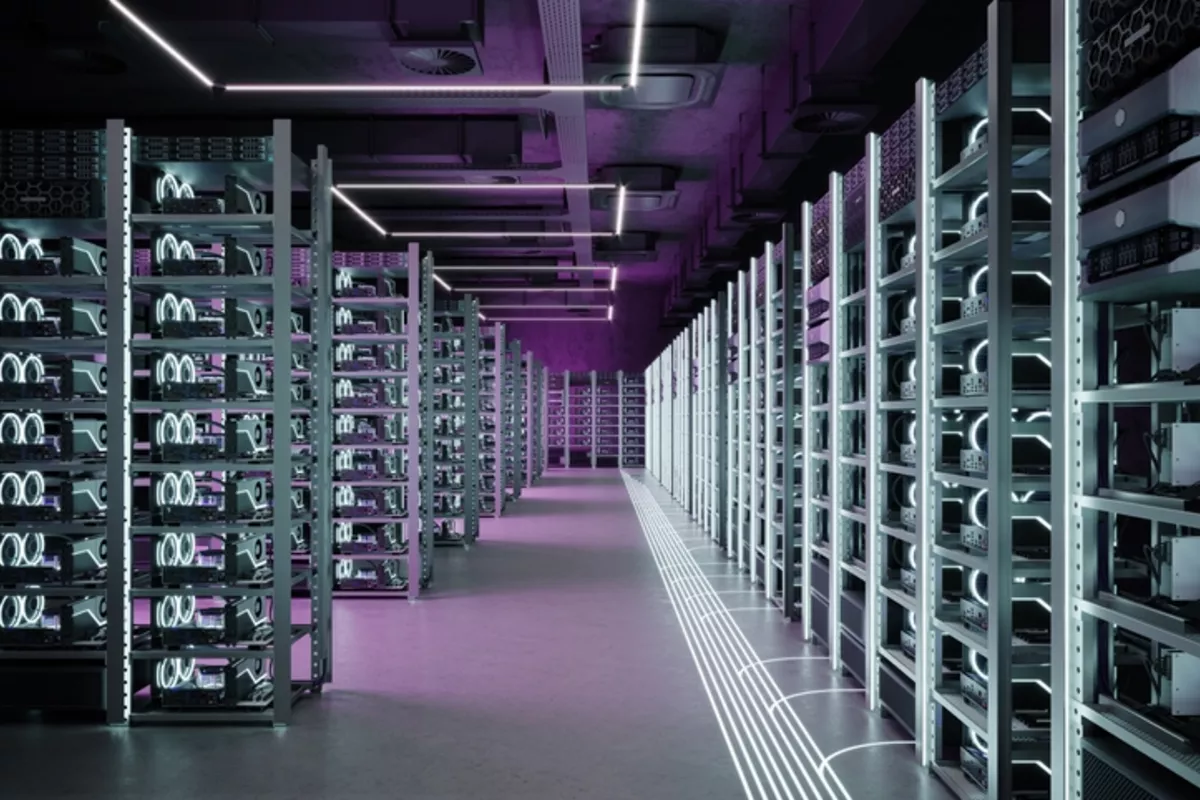
The ministry’s memorandum of understanding with a consortium led by an entity called JMOT04 Ltd. provides for the construction of a Tier IV data center, the most powerful and reliable classification for such facilities, at a cost of up to $1.5 billion.
To ensure the data center has a reliable electricity supply, the memo also calls for the building of a gas-fired power plant with an annual generating capacity of 250 Megawatts, at an estimated cost of upwards of $400 million. The Kazakh government tapped a company called Ample Solution Ltd to oversee construction.
A government statement provided no timeline for the completion of the project, nor any information about financing.
The data center is envisioned as a foundational piece in President Kassym-Jomart Tokayev’s vision to transform the country into a cognitive economy.
“Kazakhstan has a unique geographic location, favorable climate, and competitive electricity prices. These factors form a stable foundation for the deployment of international data centers and the development of digital infrastructure,” the government statement quoted AI Minister Zhaslan Madiyev as saying.
The government’s chief partner in the data center project, JMOT04, describes itself as “a London-based Group led by Ivor O‘Toole, specializing in bringing together all principal partners required to deliver large-scale data center and technology-village developments.” The entity was established in 2021.
The government statement said the data center’s location is being determined, noting that “priority is given to sites located near gas infrastructure.” Many local experts expect the facility to be built in the northern Pavlodar region. In addition to lots of electricity, data centers require lots of water to operate. Water supplies are rapidly dwindling in Central Asia.
The power supply question will play a determining role in when the data center can become operational. Kazakhstan’s current domestic generating capacity falls short of fast-growing demand. According to government projections, the country will close the power deficit gap by 2027. In a show of confidence that Kazakhstan will meet that goal, Energy Minister Sungat Yessimkhanov recently revealed that the country plans to cease electricity purchases from Russia in early 2027.
“If at the end of this year - the beginning of next year we commission all our planned [energy] facilities, then in 2027, I think, we will not [buy electricity from Russia] at all,” the Russian official Tass news agency quoted Yessimkhanov as saying.
Kazakhstan meeting its targets is not a sure thing.
Within a decade, officials hope to double the country’s existing power-generating capacity, which stood at about 26.8 gigawatts at the outset of 2026.
But existing plans to add capacity have already hit snags, prompting concerns about production delays. Kazakhstan’s reliance on Russian energy companies to handle the work are responsible for some of the most significant recent setbacks.
For example, earlier in 2026, Kazakhstan felt compelled to cancel contracts with a Russian firm to build new and upgrade old power plants, re-awarding much of the job to Chinese companies. Likewise, Rosatom, the Russian nuclear entity, has had trouble in securing the financing needed to build Kazakhstan’s first planned nuclear reactor on the shores of Lake Balkhash.
See the original article here