Escalation in Iran Sparks Concern in Tajikistan’s Foreign Policy
Asia-Plus features that Tajikistan has officially voiced its growing concern over the escalation of tensions in and around Iran, highlighting the risks such developments pose to regional peace and stability.
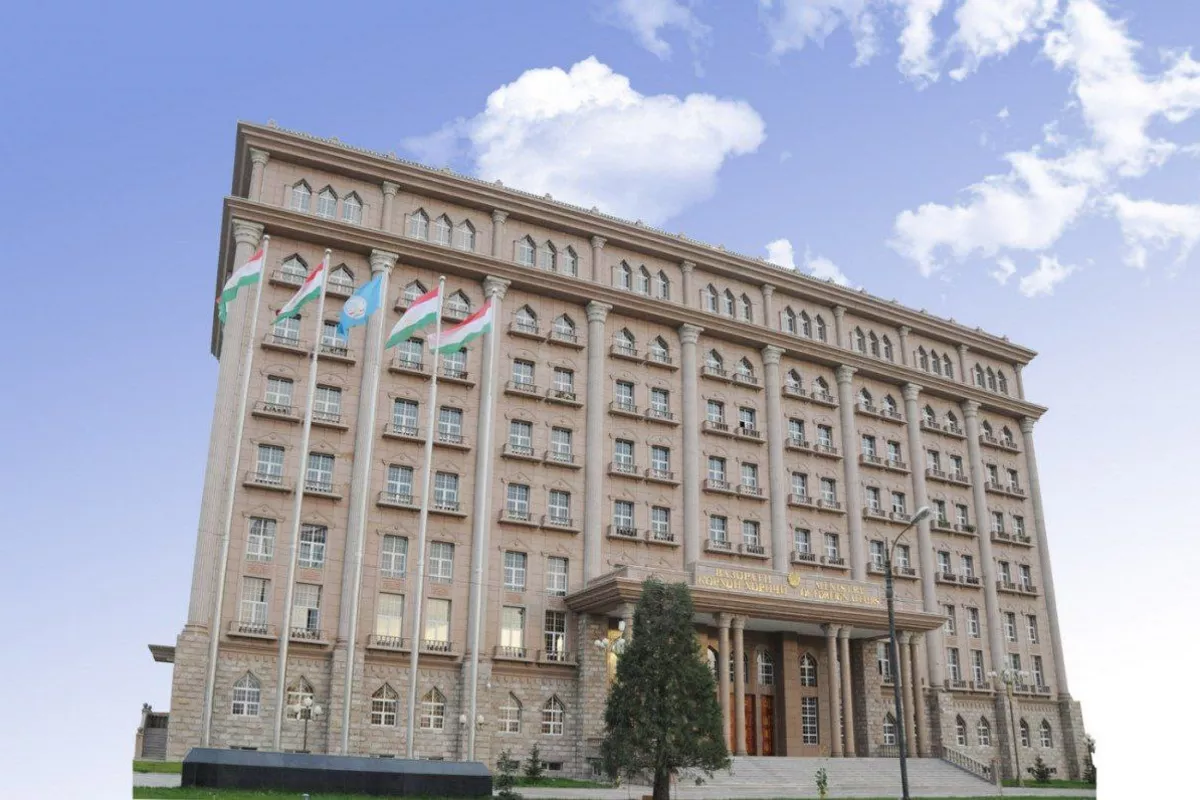
The Tajik Foreign Ministry has expressed concern over the escalating situation in the Middle East, particularly around the Islamic Republic of Iran, and has spoken out against any military action, The Caspian Post republishes the article.
The Foreign Ministry emphasized that Tajikistan consistently supports the peaceful resolution of all conflicts exclusively through diplomatic means and urges all parties to adhere to the principles of the UN Charter and international law.
“The Republic of Tajikistan calls on all parties to respect the principles of the UN Charter and international law and to focus their efforts on preserving peace and stability in the region,” the ministry says.
A day earlier, U.S. President Donald Trump said that an “armada of American ships” was heading toward Iran.
“Right now, a beautiful armada is safely moving toward Iran. We’ll see,” Trump said during an event in the state of Iowa.
He also expressed hope that Tehran would reach a deal with Washington, without specifying the nature of such an agreement.
U.S. Aircraft Carrier Strike Group
U.S. Central Command officially announced the arrival of the first aircraft carrier strike group in the Middle East, led by the aircraft carrier Abraham Lincoln.
The carrier is equipped with dozens of combat aircraft, including fighter jets and strike aircraft, and can host up to 90 planes and helicopters. The strike group also includes three destroyers armed, among other weapons, with Tomahawk cruise missiles, as well as escort and support vessels.
The Pentagon is also preparing to deploy additional fighter squadrons, including F-15E aircraft, to Middle Eastern bases to bolster its air presence.
According to open sources, the United States operates eight permanent military bases in the region, the largest being the Al Udeid air and naval base in Qatar, along with more than ten temporary facilities. The total number of U.S. military personnel in the region is estimated by experts at between 40,000 and 50,000.
However, military analysts note that the aircraft carrier strike group remains the key element of any potential strike against Iran. Strategic bombers could also be involved, capable of launching attacks from permanent bases with aerial refueling support.
Developments Inside Iran
In late December 2025, large-scale anti-government protests erupted across Iran. According to media outlets and human rights organizations, the authorities used harsh measures to suppress the unrest.
In recent days, reports of mass disturbances have declined, but the situation remains unclear due to severe internet restrictions. Data from NetBlocks indicate that overall internet connectivity in Iran was operating at around 2 percent of normal levels.
About ten days ago, Iran’s Supreme Leader Ayatollah Ali Khamenei publicly acknowledged for the first time that thousands of people had been killed during the recent protests, placing responsibility on the United States.
“Those connected to Israel and the United States inflicted enormous damage and killed several thousand people,” Khamenei said, accusing protesters of arson, destruction of public property, and spreading chaos.
He also accused the U.S. president of involvement in the events, describing him as responsible for the casualties and damage suffered by the Iranian people.
Earlier, U.S. President Donald Trump urged Iranian demonstrators to “continue protesting” and warned Iran’s leadership that Washington could consider military intervention if security forces resorted to violent crackdowns.