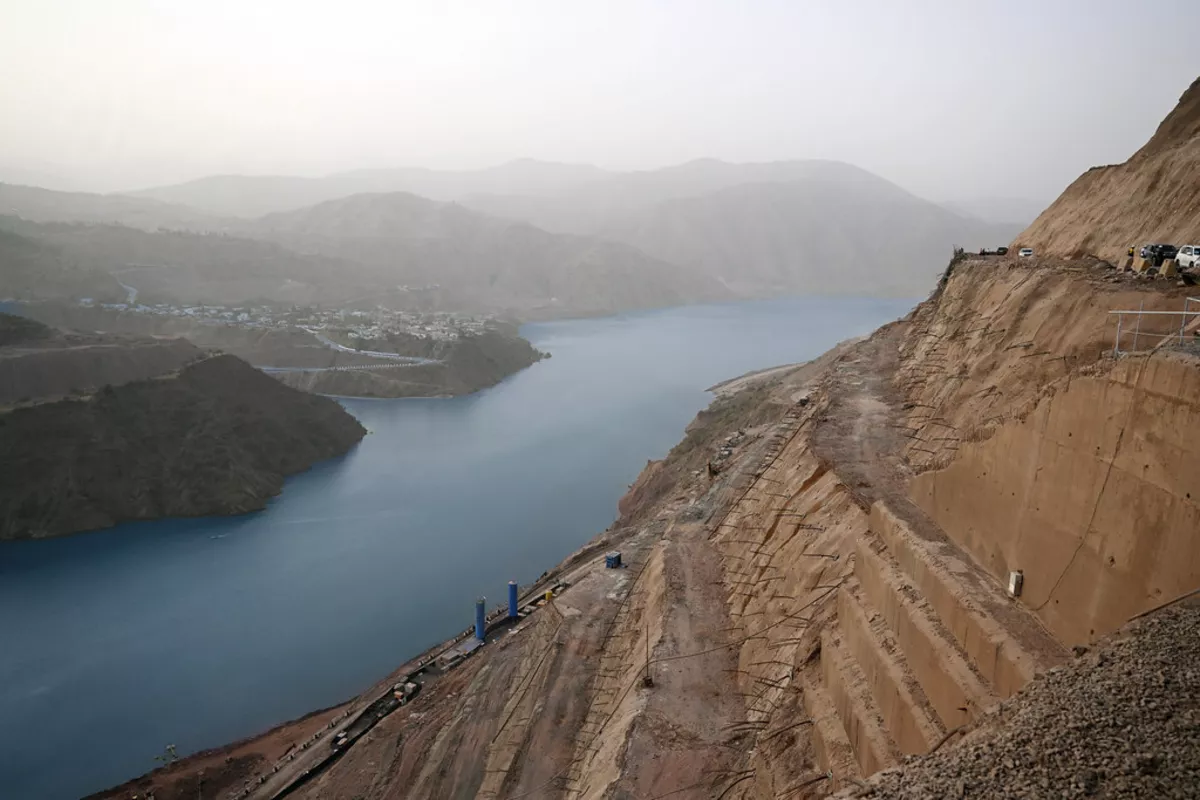
Photo: rogunges.tj
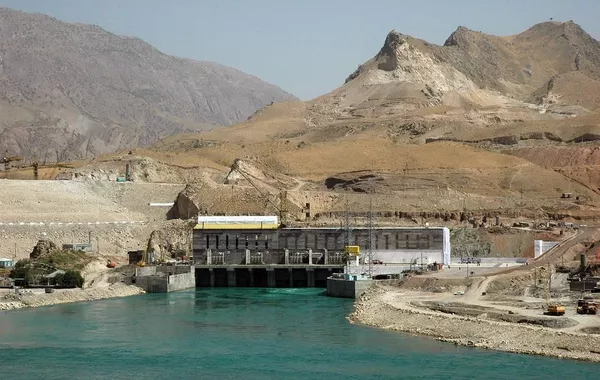
Tajikistan is ramping up financing for its flagship energy project, with builders of the Rogun Hydropower Plant set to receive around $100 million from national reserves.
On January 22, the lower house of parliament approved the bill “On the Use of the Reserve Fund of the National Bank of Tajikistan,” clearing the way for reserve funds to be directed toward construction of the strategically vital Rogun Hydropower Plant.
The initiative was proposed by President Emomali Rahmon.
Presenting the bill, Finance Minister Fayziddin Kahhorzoda explained that the document allows the use of reserves from the National Bank of Tajikistan via the state budget. In total, 916 million somoni-roughly $100 million-will be transferred, representing the remaining balance of the bank’s reserve fund accumulated from its 2024 financial results.
The minister stressed that the move is part of Tajikistan’s broader strategy to achieve energy independence by 2027, while also reducing reliance on external debt and grant-based financing.
Significant resources are already being channeled into the energy sector. Under the 2026 state budget, nearly 15 billion somoni (over $1.6 billion) has been earmarked for fuel and energy development, with most of the funds directed toward completing Rogun. This allocation accounts for 22.4 per cent of total budget expenditures, which are projected at about 67 billion somoni ($7.2 billion).
Long Road of International Support
Authorities previously reported that since 2008, more than 48.1 billion somoni ($5.192 billion) has been spent on the Rogun project from the state budget and other sources. Agreements have also been reached with international development partners for over $2 billion, including grants and loans from the World Bank, the Asian Infrastructure Investment Bank, the Islamic Development Bank, Arab funds, and the Qatar Fund for Development. Negotiations are ongoing for an additional $1.7 billion.
However, the latest sovereign credit assessment by Standard & Poor's Global Ratings notes delays in financing from development partners, particularly the World Bank, pending fulfillment of remaining conditions.
According to S&P estimates, the remaining cost of completing Rogun stands at $6.4 billion. While half of this amount has been agreed with a consortium of international partners, the rest is expected to come from the state budget and future project revenues. Some grant financing may also depend on Tajikistan’s status as a least developed country, which could be revised as early as 2026.
As construction continues, Rogun remains central to Tajikistan’s ambitions to secure long-term energy independence and strengthen its economic resilience.
Share on social media