Families in Tajikistan Spend Most of Their Income on Food

photo: Asia Plus

Families in Tajikistan Spend Most of Their Income on Food

A new report from the Tajikistan Statistics Agency reveals that families in Tajikistan are spending almost all of their earnings on food, leaving little room for savings.

The study, based on 2024 household budgets, highlights the growing cost of living and differences between urban and rural households, The Caspian Post reports via Tajik media.

Income Triples, But Expenses Keep Pace

According to the report, the average monthly income per person rose from 329.68 somoni in 2017 to 1,110.42 somoni in 2024 - more than three times higher. However, average monthly expenses per person were nearly equal to income at 1,108.16 somoni, leaving families with almost nothing to save.

Food Takes the Biggest Slice of the Budget

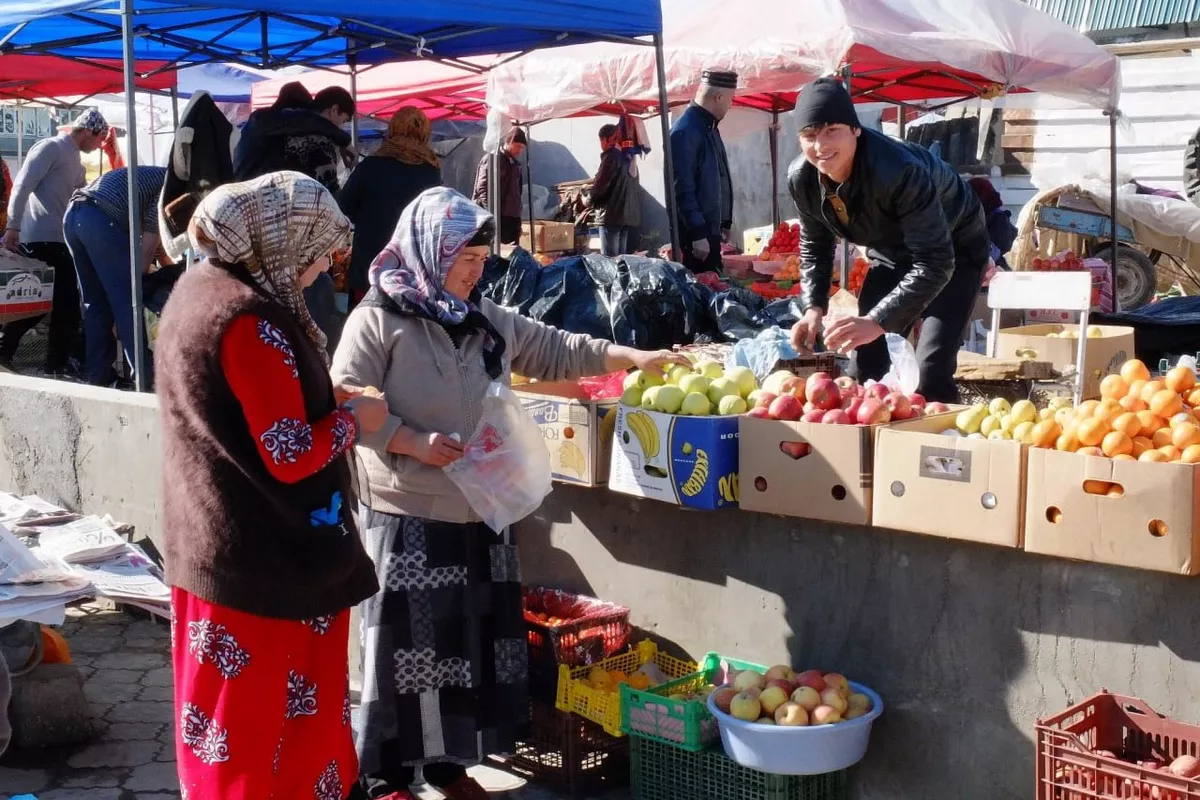
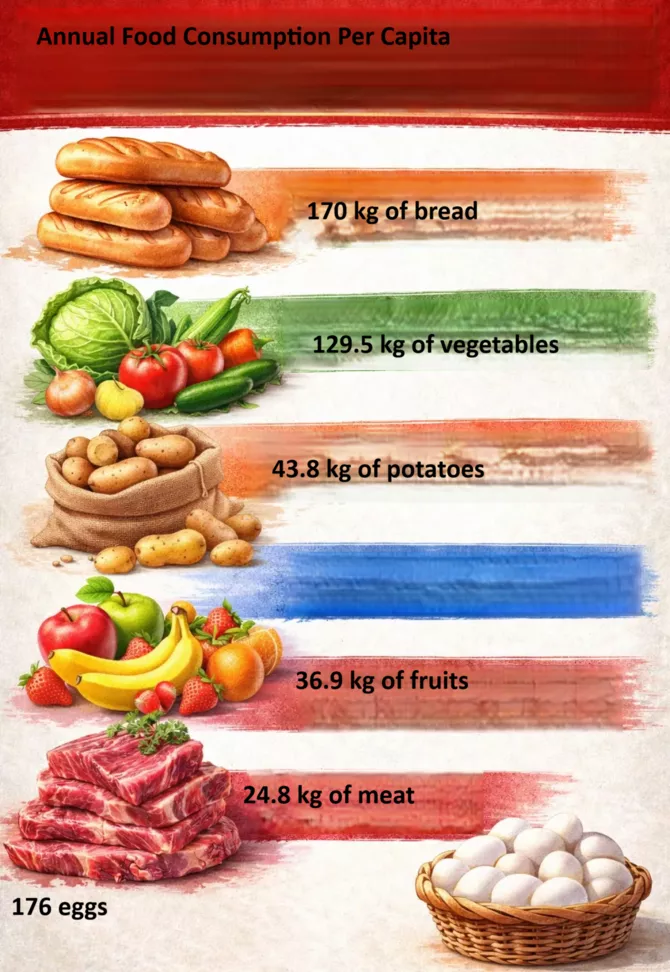
Food remains the largest expense, accounting for 51.3% of household spending in 2024. Families spent 570 somoni per person per month on food, up from 162 somoni in 2017. Bread and bakery products consumed the largest portion (30.9%), followed by meat and meat products (24%), vegetable oil (8.2%), and vegetables (7.8%). Fish and dining out accounted for a minimal share of the budget.

Latest News & Breaking Stories | Stay Updated with Caspianpost.com - Families in Tajikistan Spend Most of Their Income on Food

photo: Asia Plus

Non-Food Items and Services

Non-food items - clothing, footwear, appliances, and other goods - made up 35.6% of spending, roughly 395 somoni per month per person. Services accounted for 12.2% of expenses (135.6 somoni), with the largest share going to housing and utilities (28.6%), followed by transport (15.3%), communication (15%), and medical services (6%).

Urban vs Rural Spending

The report highlights clear differences between cities and rural areas:

Urban income: 1,401 somoni per person per month

Rural income: 934 somoni

Urban expenses: 1,374 somoni vs Rural: 937 somoni

Urban households spend a higher share on food (54% vs 47% in rural areas), while rural families allocate more to non-food goods (39% vs 32%). City dwellers consume more meat, bread, and vegetables, while rural residents consume slightly more milk.

Rising Food Costs Reshape Budgets

Compared to 2023, total household spending remained stable, but families are now spending more on food, while expenses on non-food goods and services have slightly decreased. This suggests that rising food prices are forcing families to prioritize basic needs over other purchases.

Related news

Families in Tajikistan Spend Most of Their Income on Food

A new report from the Tajikistan Statistics Agency reveals that families in Tajikistan are spending almost all of their earnings on food, leaving little room for savings.