How Close Is Israel to Launching a Military Strike on Iran
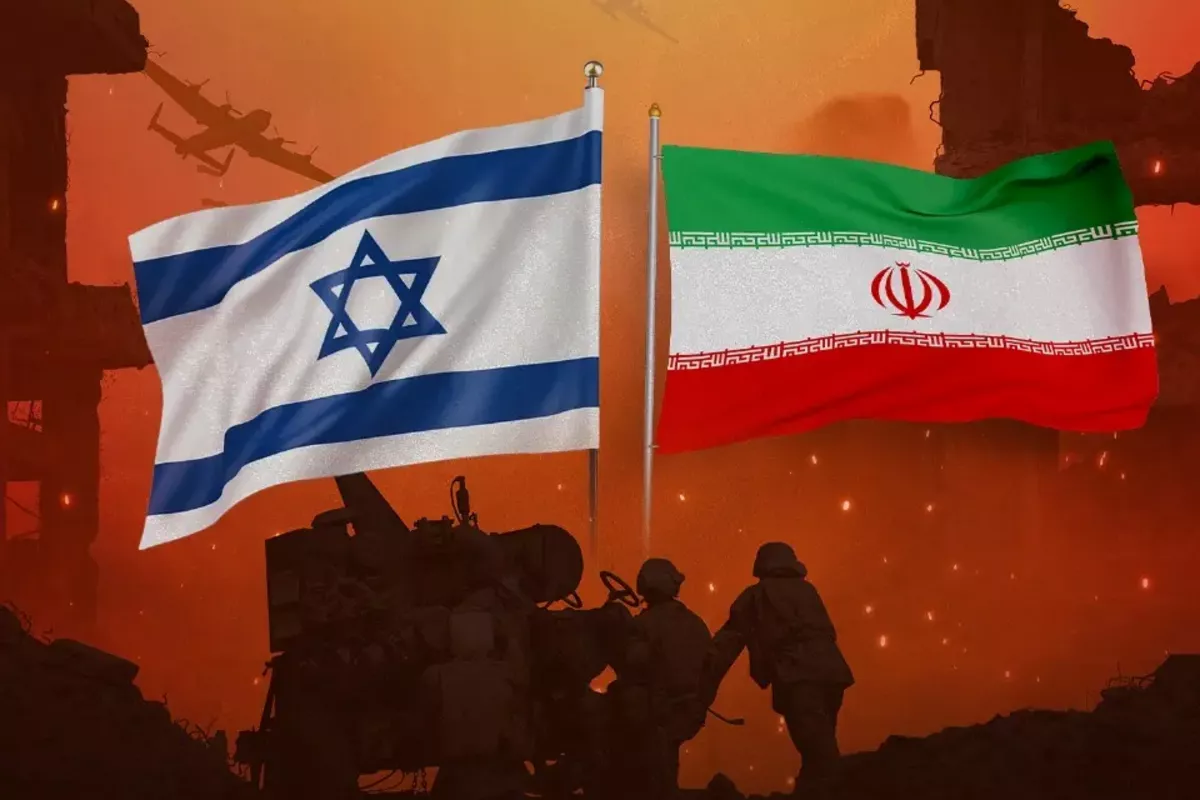
The Middle East is once again approaching a dangerous threshold. Israel’s growing readiness for a direct strike against Iran is no longer treated in global capitals as speculation or political theater. What was once confined to intelligence leaks, diplomatic signals, and unofficial briefings has increasingly moved into the realm of concrete military planning, strategic messaging, and open debate among decision-makers. The central question today is no longer whether Israel views such a strike as an option, but how close the region is to crossing a line that could fundamentally reshape regional and global security.
For Israel, Iranian nuclear program is neither distant nor abstract. It is perceived as an existential threat shaped by geography, history, and strategic vulnerability. Unlike major powers that can rely on distance, alliances, and deep deterrence buffers, Israel operates within extremely narrow margins. From Jerusalem’s perspective, a nuclear-capable Iran would dramatically alter the Middle East’s balance of power, embolden Tehran’s regional allies, and severely constrain Israel’s military freedom of action. This is why successive Israeli governments, regardless of political orientation, have treated Iran’s nuclear ambitions as a red line that must not be crossed.
Recent signals indicate that Israel is no longer relying solely on deterrent rhetoric. Reports of intensified long-range air force exercises, enhanced coordination with regional partners, and expanded intelligence activity point to serious operational preparation. While Israeli officials avoid explicit confirmation, their public statements and carefully calibrated leaks appear designed to signal readiness. The message is clear: Israel wants Iran, its allies, and the international community to understand that it is prepared to act independently if it concludes that diplomatic efforts have failed.
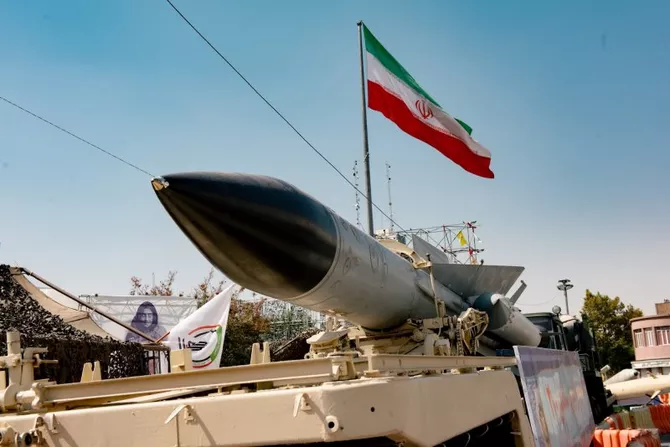
Photo credit: AFP
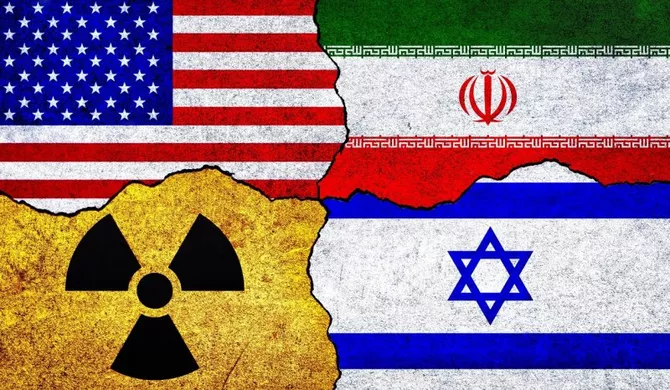
The United States remains the most critical external actor in this equation, but its position is increasingly delicate. Washington continues to affirm Israel’s right to self-defense while publicly emphasizing diplomacy and restraint. At the same time, U.S. officials are acutely aware that a direct Israeli strike would almost certainly have consequences for American forces and interests across the Middle East. U.S. military bases, naval assets, and personnel in the Persian Gulf, Iraq, Syria, and beyond would become potential targets for Iranian retaliation or proxy attacks. This reality has forced Washington into a careful balancing act: deterring Iran, discouraging Israeli escalation, and quietly preparing for scenarios it hopes to avoid.
Iran, for its part, has refined a strategy built on ambiguity and indirect pressure. Tehran continues to deny any intention to develop nuclear weapons, framing its program as peaceful, while simultaneously expanding enrichment capacity and restricting international oversight. This dual-track approach allows Iran to advance its capabilities without triggering an immediate international consensus for military action.
At the same time, Iran relies on a broad network of allied and proxy forces to project power and complicate Israel’s calculations. Hezbollah in Lebanon, Shiite militias in Iraq and Syria, and other regional actors serve as both deterrents and instruments of pressure.
The risk of escalation lies precisely in this layered structure. A direct Israeli strike on Iranian facilities would not occur in isolation. Tehran would have multiple response options, ranging from direct missile or drone attacks to cyber operations and proxy warfare. Hezbollah’s role is especially critical. With its extensive missile and rocket arsenal and its proximity to Israeli territory, Hezbollah represents Iran’s most effective deterrent against Israeli action. Even a limited exchange could quickly spiral into a multi-front conflict, drawing Israel into simultaneous confrontations on its northern and southern fronts.
Beyond the immediate military dimension, the economic consequences of such a confrontation would be global. Energy markets are particularly vulnerable. Any disruption in the Persian Gulf or along key maritime routes, including the Strait of Hormuz, would likely trigger a sharp rise in oil prices. Such a shock would intensify inflationary pressures at a time when many economies are already struggling with high debt, slowing growth, and fragile recoveries. Financial markets, increasingly sensitive to geopolitical risk, would respond rapidly, amplifying the global impact of a regional conflict.
Shutterstock photo
Diplomatically, a strike would further polarize an already fragmented international system. Western allies would face difficult choices between supporting Israel’s security concerns and managing the fallout from escalation. Russia and China, both of which have strengthened ties with Iran in recent years, would likely seek to exploit the crisis to challenge U.S. influence and present themselves as alternative diplomatic or strategic brokers.
For many countries in the Global South, such a conflict would reinforce perceptions of double standards in international law, particularly regarding the use of force and nuclear nonproliferation.
Within Israel itself, the debate is intense but constrained by strategic realities. Acting now could delay Iran’s nuclear progress, reinforce Israel’s deterrence, and signal that red lines still matter. Yet such action carries enormous risks, including prolonged conflict, civilian casualties, and potential international isolation. Delaying action, however, may allow Iran to reach a point where military options become far less effective or even irrelevant. This dilemma explains both the urgency behind Israel’s preparations and the calculated ambiguity of its public messaging.
Ultimately, the Middle East stands at a crossroads. A direct Israeli strike on Iran would not be a limited operation, but a transformative event with consequences far beyond the region. It would reshape alliances, test global crisis management mechanisms, and expose the limits of deterrence in an era defined by proxy warfare and strategic ambiguity. Whether diplomacy, deterrence, or miscalculation prevails will shape not only the future of the Middle East, but the broader international order. What is certain is that the margin for error has never been thinner, and the cost of failure never higher.