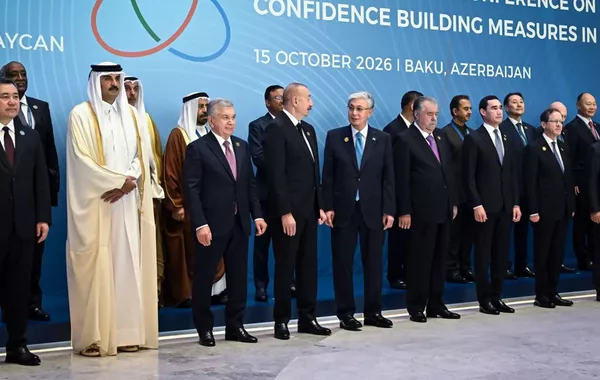
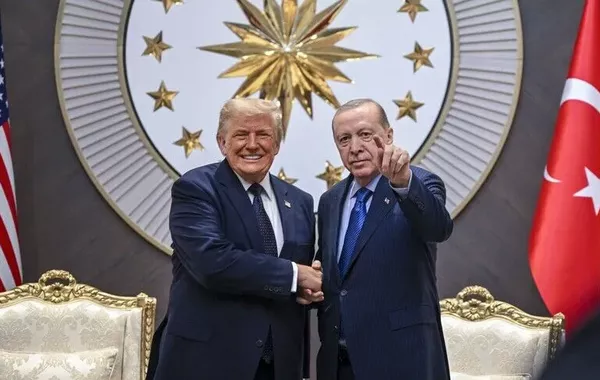
President Kassym-Jomart Tokayev has signed the law ratifying the agreement between Kazakhstan and Türkiye on the transit of military equipment and personnel through the airspace of the two countries. The move marks another important stage in the rapidly expanding strategic partnership between Astana and Ankara and reflects broader geopolitical shifts taking place across Central Asia and the Turkic world.
The agreement, originally signed in September 2024 in Astana, creates a formal legal framework regulating how military cargo, personnel, humanitarian shipments, and official delegations can transit through the airspace of both countries. Kazakhstan’s parliament approved the document earlier this year before Tokayev signed it into law.
Although the agreement does not establish a military alliance, it significantly deepens defense and logistical cooperation between the two strategically important states. The development comes amid rising regional instability, growing competition over Eurasian transport corridors, and increased efforts by Türkiye to strengthen ties with Turkic-speaking nations.
What We Know About the Agreement
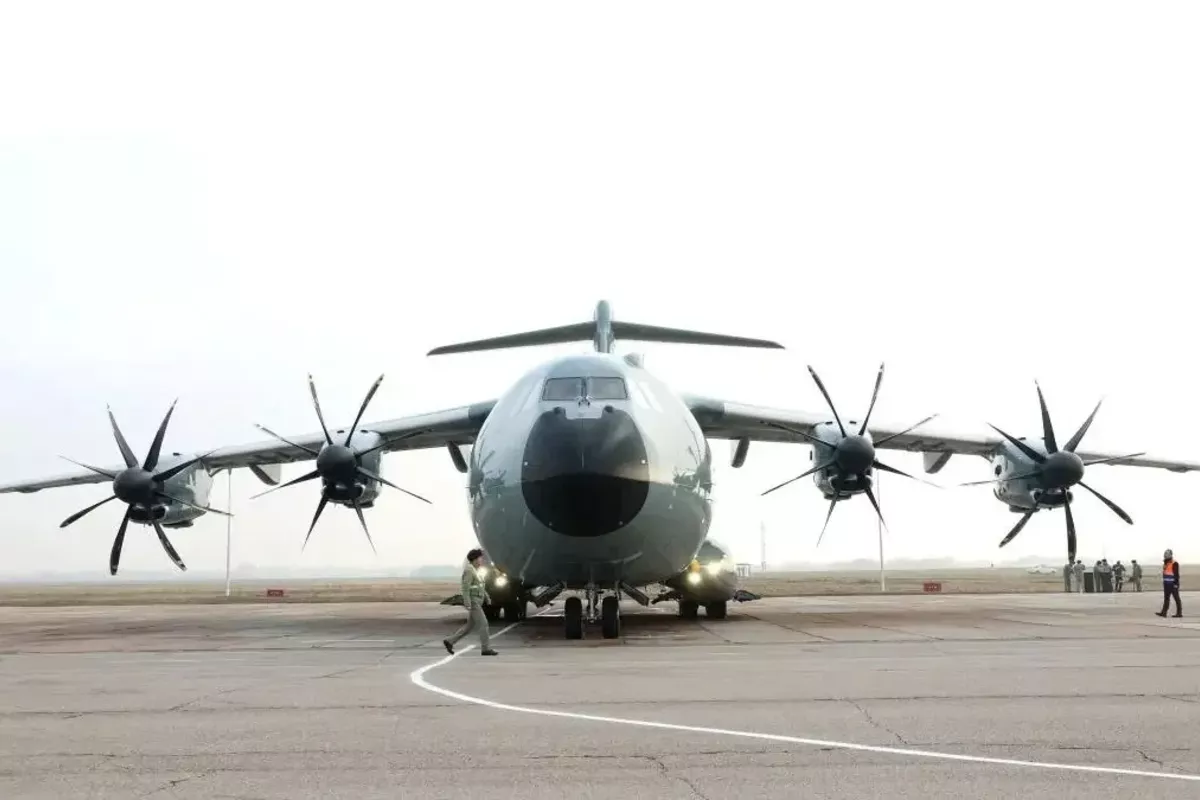
The ratified agreement defines the procedures and legal conditions for military transit flights between Kazakhstan and Türkiye. According to Kazakh officials, military aircraft transporting personnel, equipment, humanitarian cargo, or official delegations will require prior authorization through diplomatic channels. Transit can be approved either through annual diplomatic permits or one-time authorizations for specific flights.
The agreement also establishes important control and security mechanisms. Both governments retain the right to deny, suspend, or revoke transit permissions if they believe a shipment violates the terms of the agreement or threatens national security. Kazakhstan’s authorities emphasized that every transit request will be reviewed carefully, including details about aircraft type, cargo tonnage, and the number of personnel on board.
Kazakh lawmakers stressed that the agreement complies fully with national legislation governing security and foreign military transit. Under Kazakhstan’s laws, foreign military transit is only permitted through ratified international treaties.
Officials from both sides also underlined that the agreement would not require additional state budget expenditures. Instead, it is intended to improve coordination and efficiency in military transportation and international operations.
Importantly, the deal is not limited solely to military combat operations. Kazakhstan’s Senate noted that the framework could support peacekeeping missions under the auspices of the United Nations, humanitarian operations, and diplomatic transport activities.
Why the Agreement Matters
The significance of the agreement goes far beyond technical aviation procedures. It reflects a broader transformation in Kazakhstan-Türkiye relations and highlights the increasing geopolitical importance of Central Asia.
First, the agreement strengthens the emerging strategic partnership between Ankara and Astana. In recent years, Türkiye has actively expanded political, economic, military, and cultural cooperation with Central Asian states, especially members of the Organization of Turkic States. Kazakhstan has become one of Türkiye’s closest regional partners within this framework. Previous agreements between the two countries already covered military intelligence cooperation, defense industry projects, drone production, and joint military exercises.
Second, the agreement improves logistical connectivity between Central Asia and Türkiye at a time when transport corridors are becoming strategically critical. Since the outbreak of the Russia-Ukraine war and disruptions in traditional Eurasian trade routes, countries in the region have increasingly focused on alternative transit networks, especially the so-called Middle Corridor linking China, Central Asia, the Caspian region, the South Caucasus, and Türkiye.
Military transit arrangements complement this broader geopolitical trend. By facilitating quicker and more predictable air transit, Kazakhstan and Türkiye are effectively improving their strategic mobility across Eurasia.
Third, the agreement demonstrates Kazakhstan’s multi-vector foreign policy approach. Astana has traditionally balanced relations with major powers including Russia, China, the West, and regional partners. Expanding military cooperation with Türkiye allows Kazakhstan to diversify its strategic partnerships without formally aligning against any major actor.
For Türkiye, meanwhile, the agreement reinforces Ankara’s ambition to become a leading security and logistical actor across the Turkic world. Turkish defense diplomacy in Central Asia has intensified over recent years through military training, drone exports, defense industry cooperation, and intelligence-sharing agreements. Kazakhstan’s growing openness to such cooperation indicates increasing trust between the two governments.
The agreement may also have symbolic importance. Türkiye and Kazakhstan frequently emphasize their shared historical, linguistic, and cultural ties. Security cooperation therefore carries political value beyond purely military considerations.
The Main Objective of the Agreement
The core objective of the agreement is to establish a reliable, legally regulated mechanism for the transit of military equipment and personnel through the airspace of both countries while ensuring full national control over security procedures.
In practical terms, the deal aims to simplify and standardize authorization procedures for military flights. Instead of negotiating transit arrangements on an ad hoc basis, both governments now have a formal framework that clearly defines responsibilities, procedures, and limitations.
Another major objective is improving operational flexibility for international missions. Kazakhstan specifically noted that the agreement could facilitate participation in UN peacekeeping operations by enabling smoother transport of troops and equipment through Turkish airspace.
The agreement also serves broader strategic goals related to defense cooperation. By increasing interoperability and coordination between their military structures, Kazakhstan and Türkiye are gradually building stronger institutional ties in the defense sphere.
At the same time, the agreement carefully preserves national sovereignty. Both countries maintain the right to refuse any transit request they consider problematic. This is especially important for Kazakhstan, which seeks to avoid becoming entangled in external geopolitical conflicts while still developing strategic partnerships.
The agreement therefore reflects a balancing act: enhancing military cooperation without crossing into the territory of a formal military alliance.
A Broader Geopolitical Signal
The ratification of the military transit agreement sends an important geopolitical signal across Eurasia. It highlights Türkiye’s expanding influence in Central Asia and Kazakhstan’s willingness to strengthen ties with fellow Turkic states while maintaining its traditional multi-vector diplomacy.
The development also reflects how regional states are adapting to a rapidly changing security environment. Growing uncertainty in Eurasia, disruptions to traditional transport routes, and rising geopolitical fragmentation are pushing countries to create new logistical and security partnerships.
For Kazakhstan, cooperation with Türkiye offers strategic diversification, technological opportunities, and enhanced international connectivity. For Türkiye, the agreement advances its long-term vision of deeper integration with Central Asia and greater geopolitical influence across the Turkic world.
While the agreement itself is technical in nature, its political and strategic implications are much wider. It illustrates how defense cooperation between Kazakhstan and Türkiye is evolving from symbolic partnership into a more structured and operational relationship.
As regional dynamics continue to shift, the agreement could become one of several building blocks shaping a new security and transport architecture linking Central Asia, the Caucasus, and Türkiye.