Azerbaijan's Potential in Green Energy Development
Although Azerbaijan has long been recognized as an oil-dependent nation, the global shift in energy systems and the rising importance of the climate agenda have opened up opportunities for strategic realignment. Reducing reliance on hydrocarbon exports and transitioning toward green energy industries is not only an environmental imperative but also a key step in geopolitical and macroeconomic diversification, The Caspian Post reports, citing Think Tank Platforms.
Analysis of the current energy structure: technical parameters of green energy potential
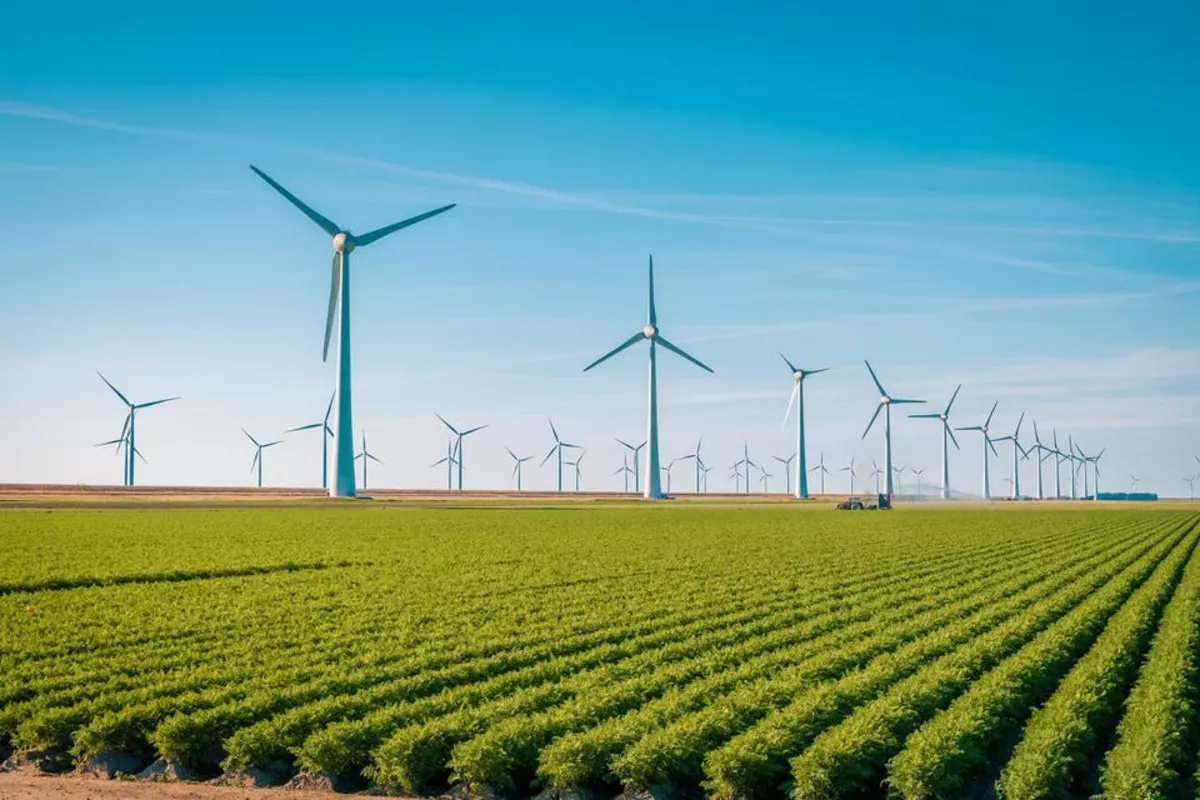
Azerbaijan’s geographic location and natural conditions provide substantial renewable energy resources. Wind power potential is estimated at around 3,000 MW, while solar capacity may reach up to 23,000 MW. Average wind speeds on the Absheron Peninsula range from 8 to 10 m/s, and the Nakhchivan and Karabakh regions record between 270 and 300 sunny days per year. Hydropower resources, particularly small-scale plants, add a further 520 MW to this potential.
Prospects for economic diversification
The expansion of the green energy sector can generate multifaceted benefits for the national economy. First, it supports job creation: international experience indicates that renewable energy generates roughly three times more employment than fossil fuels. Second, it facilitates technology transfer and export diversification. The production of green hydrogen, in particular, positions Azerbaijan in a new capacity within European energy markets.
The green energy corridor agreement signed between Azerbaijan and Georgia in 2021, together with the country’s role as host of COP29 in 2024, signals an ambition to assume a leading role in international cooperation in this field. SOCAR’s planned investment of 2 billion US dollars in renewable energy further points to growing state-private sector synergy.
Geopolitical dimension: reconfiguring energy diplomacy
The energy transition strengthens Azerbaijan’s instruments of regional and global influence. By exporting green energy and green hydrogen to the European Union, the country can consolidate its position as an indispensable component of the emerging energy architecture.
Europe plans to import up to 10 million tons of green hydrogen by 2030. Securing a strategic place within this framework would further reinforce Azerbaijan’s standing in this domain.
Investment climate requirements and structural reforms
Green energy projects require substantial upfront capital, while long-term operating costs remain relatively low. Agreements and joint ventures with Masdar (UAE), BP, and other international companies are helping to stimulate investment inflows.
The reconstruction of the liberated territories gives Azerbaijan the opportunity to build green cities from the ground up. Smart grids, solar installations, and energy-efficient buildings could turn Karabakh into a pilot region for green energy technologies. This would function both as a domestic testing ground and as an international showcase.
Azerbaijan’s green energy transition serves a threefold objective: economic diversification, the preservation of geopolitical relevance, and environmental sustainability.