photo: Report
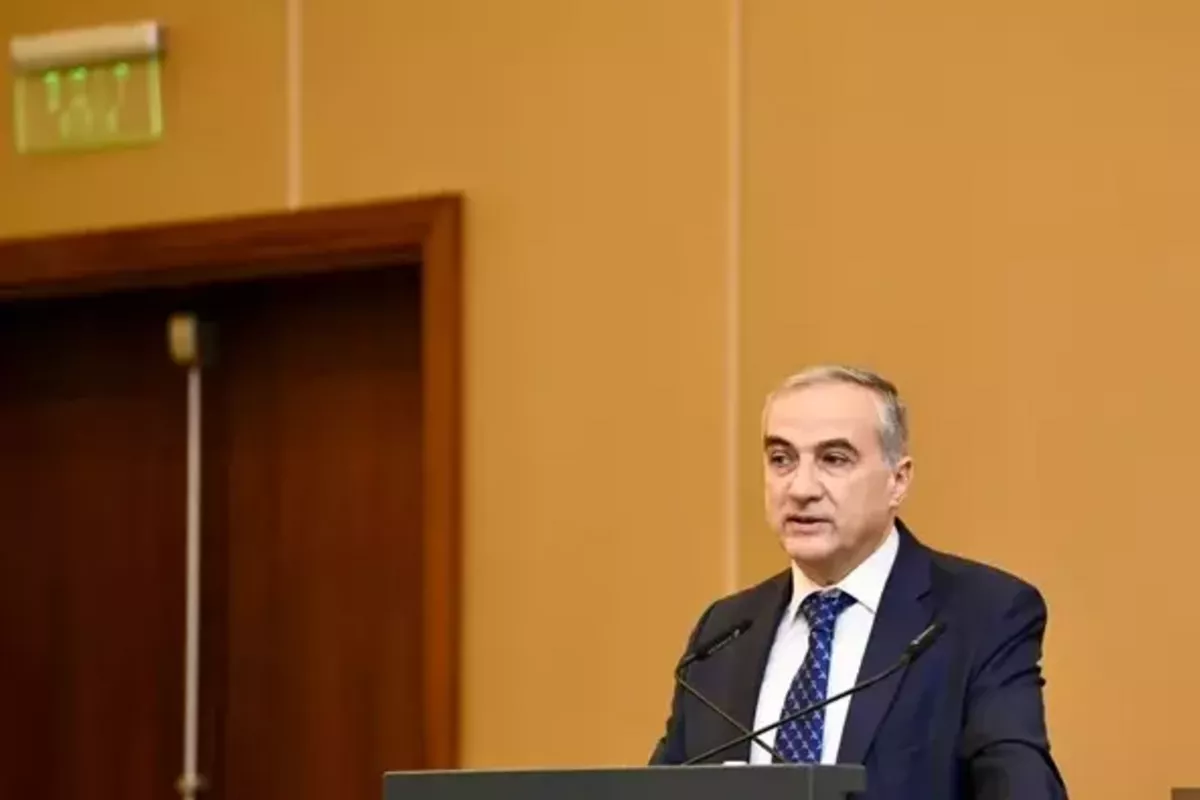
Chairman of the Baku-based Center of Analysis of International Relations Farid Shafiyev said that over the past six years, Azerbaijan has shaped its foreign policy around connectivity, diversification, and regional cooperation.
Speaking at the opening of the international conference “C6: One Region, Shared Future - Enhancing Strategic Dialogue,” Shafiyev said shifting geopolitical realities have reinforced the importance of resilient partnerships.
Connectivity as a Strategic Shield
“Conflicts have a serious impact on energy and transport routes, as well as supply and subcontracting chains,” Shafiyev noted. “These processes remind our region that connectivity, diversification, and regional cooperation based on shared interests are key elements of strategic resilience.”
He emphasized that Azerbaijan’s approach is designed to reduce vulnerability to external shocks while strengthening its role as a reliable regional partner.
Strengthening the Eastern Vector
By expanding engagement with Asian institutions and building broader strategic alliances, Azerbaijan has reinforced the eastern dimension of its foreign policy-while continuing constructive cooperation with the United States and the European Union.
“In this context, Central Asia is not just our neighbor, but a strategic partner,” Shafiyev stressed.
As Eurasia’s geopolitical landscape continues to evolve, Baku’s connectivity-driven strategy positions the country at the center of emerging regional frameworks such as C6, aimed at deepening dialogue and practical cooperation across the Caspian basin.
Share on social media