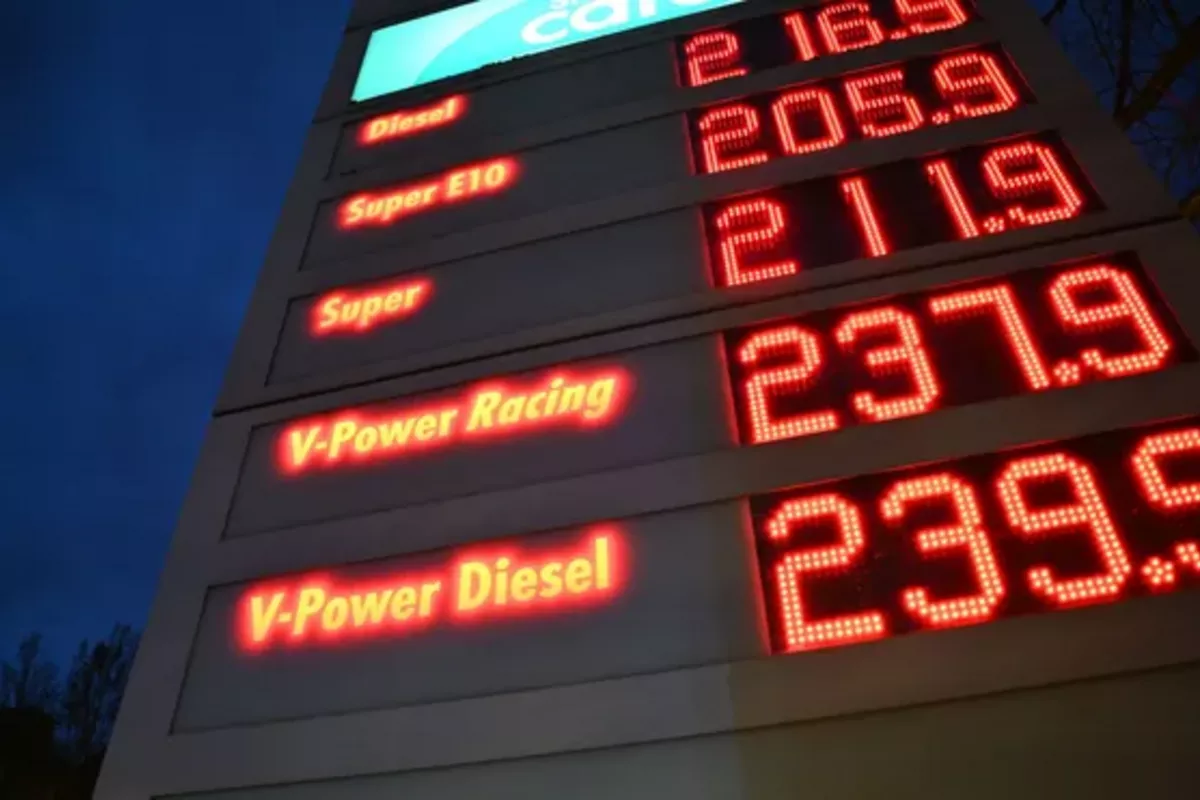
Data released on Thursday indicate that the energy shock from the Iran war is increasingly impacting the European economy, creating a dilemma for policymakers as it slows growth while driving up prices.
While most economists say this still cannot be compared to the outright "stagflation" mix of high inflation and stagnant growth that accompanied the energy shocks of the 1970s, it will exacerbate the cost of living crisis that followed the COVID-19 pandemic and which millions of households are still facing, The Caspian Post reports, citing Reuters.
That in turn is complicating central bank decisions about interest rate moves and what kind of support the region's governments offer to consumers facing higher fuel costs.
Activity in the euro zone shrank at its sharpest rate in over two-and-a-half years in May as a surge in living costs hammered demand in the dominant services sector and pushed input price inflation to its highest in three-and-a-half years, a closely followed S&P Global survey showed on Thursday.
Separately, the European Commission downgraded its growth projections for the euro zone economy and acknowledged they could fall further if the disruption meant that energy prices only reached their peak by the end of this year.
Share on social media