Russia’s New Gas Payment Rules: What It Means for Buyers
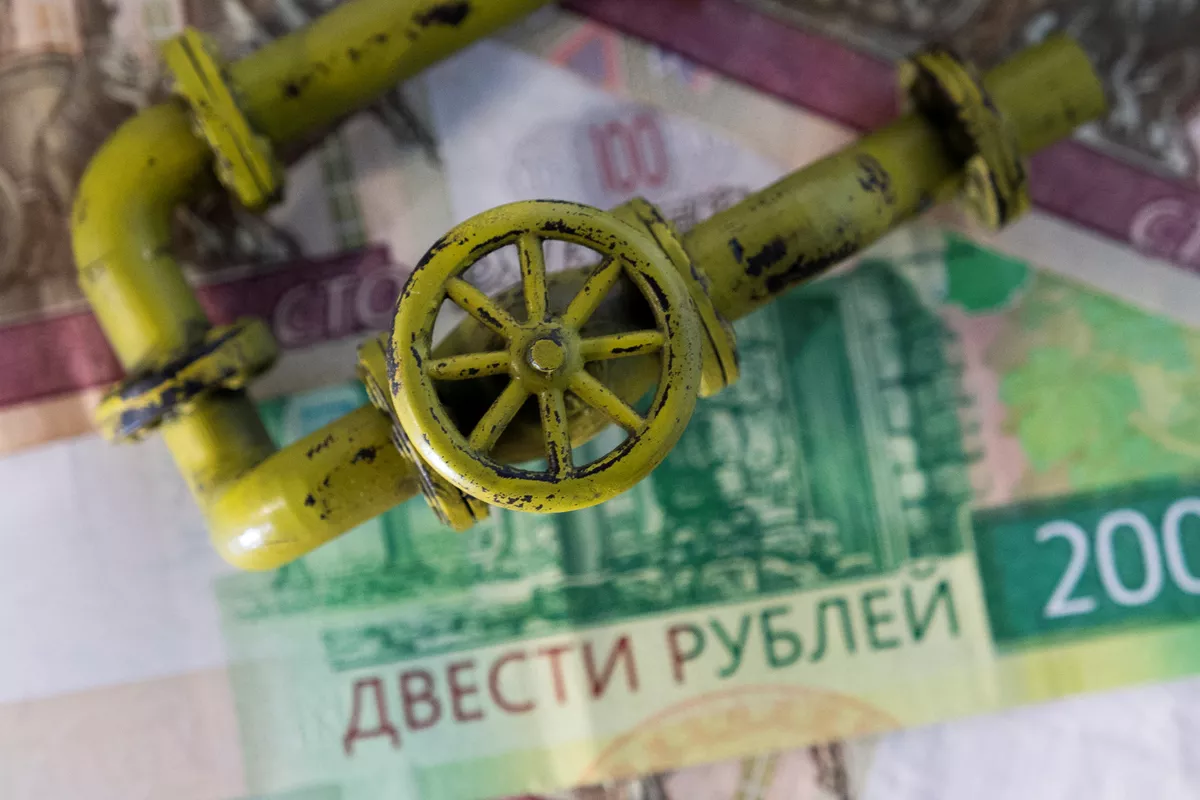
Russian President Vladimir Putin on Tuesday signed a decree extending the permission for foreign buyers of Russian gas to pay in rubles until July 1.
The decree, published on the official government portal, allows transactions to be processed through Gazprombank as well as several other Russian financial institutions, The Caspian Post reports.
The measure, effective immediately, provides continuity for foreign buyers amid ongoing geopolitical tensions and Western sanctions targeting Russia’s banking sector.
This extension follows a previous authorization issued on December 8, 2025, which had been valid until April 1, 2026. Russia’s energy export sector has increasingly adapted to sanctions-related challenges, and the extension reflects Moscow’s efforts to stabilize gas trade with foreign partners while ensuring the ruble’s role in international settlements.
The payment procedure for Russian gas has undergone several updates over the past two years, largely in response to US and European sanctions targeting Gazprombank. Under earlier arrangements, foreign buyers were required to convert their currency through other Russian banks before transferring rubles to a Russian gas supplier’s account at Gazprombank. This method was seen as cumbersome and restrictive for companies relying on Russian gas for energy supply, particularly in Europe and Asia.
In December 2024, the Russian government revised the process to allow foreign companies to pay for gas directly by crediting funds to a Russian supplier’s ruble account via third-party intermediaries. This adjustment simplified transactions for buyers and provided Russia with more predictable revenue streams in its domestic currency. Gazprombank, the state-owned bank responsible for managing the ruble-based settlements, was also authorized to open ruble and foreign currency accounts for domestic gas sellers. Special “K” accounts were introduced specifically for foreign companies to facilitate payments while navigating the sanctions landscape.
Despite these adaptations, settlements through “K” accounts remain suspended. The Russian government has stated that these accounts will not be operational until US sanctions on Gazprombank are lifted and a new presidential decree formally resumes their use. Analysts note that this reflects Moscow’s strategic approach to balancing the need for secure revenue with the practical challenges imposed by international financial restrictions.
The decree highlights several broader trends in Russia’s energy and financial policies. First, it underscores Moscow’s commitment to maintaining ruble-based payments as a means of reinforcing the national currency in global trade. By requiring foreign buyers to transact in rubles, Russia aims to reduce its exposure to volatile foreign exchange rates and mitigate the impact of sanctions that restrict access to US dollars and euros. Second, it provides a measure of predictability for international buyers, many of whom depend on uninterrupted gas deliveries for industrial and residential energy needs.
Experts suggest that the extension of ruble-based payments may also serve as a signal to foreign investors and partners that Russia is capable of maintaining trade flows despite the pressures of sanctions. By continuing to offer structured payment mechanisms, the Kremlin seeks to reassure buyers that Russian gas exports remain a reliable component of global energy supply.
From an economic perspective, the decree also demonstrates Russia’s ability to adapt its financial infrastructure to changing geopolitical circumstances. The use of Gazprombank and selected partner banks ensures that transactions remain traceable and controlled within Russia’s financial system. At the same time, foreign buyers benefit from flexible options for converting their funds, reducing the risk of disruptions to gas imports.
The policy has implications beyond immediate energy trade. Observers note that promoting ruble-based settlements reinforces Russia’s strategic objective of reducing dependence on Western currencies in international transactions. By creating alternatives for foreign buyers, Moscow strengthens the ruble’s role as a medium of exchange and challenges the dominance of the dollar in energy markets.
Russia’s approach also reflects lessons learned from previous sanctions cycles. By streamlining payments and introducing “K” accounts, the government has created a framework that can be scaled or adjusted depending on the evolving geopolitical environment. Analysts argue that such measures make Russia’s energy sector more resilient to financial pressures and demonstrate a proactive response to external risks.
The decree’s timing is significant. With global energy markets still recovering from geopolitical shocks and sanctions-driven disruptions, extending ruble-based payments ensures continuity for long-term contracts and prevents interruptions in supply chains. Companies that rely on Russian gas for heating, industrial production, and electricity generation can continue planning their operations with greater certainty, even as sanctions remain in effect.
Overall, the extension of ruble payments for Russian gas until July 1 reflects a carefully calibrated policy balancing domestic financial control, international trade obligations, and sanctions resilience. By maintaining flexibility for foreign buyers while protecting national interests, Moscow reinforces the strategic importance of its energy sector in global markets.