The global aviation industry is once again facing a severe cost challenge as jet fuel prices surge amid geopolitical tensions and supply disruptions. According to the International Air Transport Association (IATA), many airlines have been heavily exposed to volatility in the jet fuel market, particularly those lacking sophisticated fuel-hedging mechanisms. The situation has become even more acute following disruptions in the Middle East, the world's most important jet fuel-exporting region.
For Central Asian air carriers, the implications could be significant. Airlines in Kazakhstan, Uzbekistan, Kyrgyzstan, Tajikistan, and Turkmenistan have spent recent years expanding international connectivity, modernizing fleets, and positioning the region as a growing transit corridor between Europe and Asia. However, soaring fuel costs threaten to undermine these ambitions at a time when passenger demand remains strong but profit margins remain relatively thin.
Fuel Costs: The Largest Threat to Airline Profitability
Fuel has traditionally been one of the largest operating expenses for airlines, often accounting for between 25% and 35% of total costs. When jet fuel prices rise sharply, airlines face immediate pressure on profitability because fuel consumption cannot easily be reduced without cutting flights or altering operations.
The latest spike has been driven not only by higher crude oil prices but also by an unprecedented increase in jet fuel refining margins, known as crack spreads. According to market data cited by industry experts, jet fuel crack spreads in Northwest Europe surged to more than $121 per barrel in March 2026, compared with approximately $30 per barrel before the outbreak of conflict involving Iran in late February.
This development is particularly concerning because it reflects a shortage of refined jet fuel rather than simply expensive crude oil. Even if oil prices stabilize, airlines may continue paying elevated prices for aviation fuel if refining capacity remains constrained.
Central Asian carriers are especially vulnerable because most lack the scale and financial sophistication of major global airlines. While some international carriers use extensive fuel-hedging programs to lock in prices months or years in advance, many airlines in the region have limited access to such financial instruments or choose not to use them due to cost and complexity.
As IATA's Head of Fuel Daniel Chereau noted, airlines without hedging protection are being hit hardest by the current market conditions.
Why Central Asia Faces Unique Risks
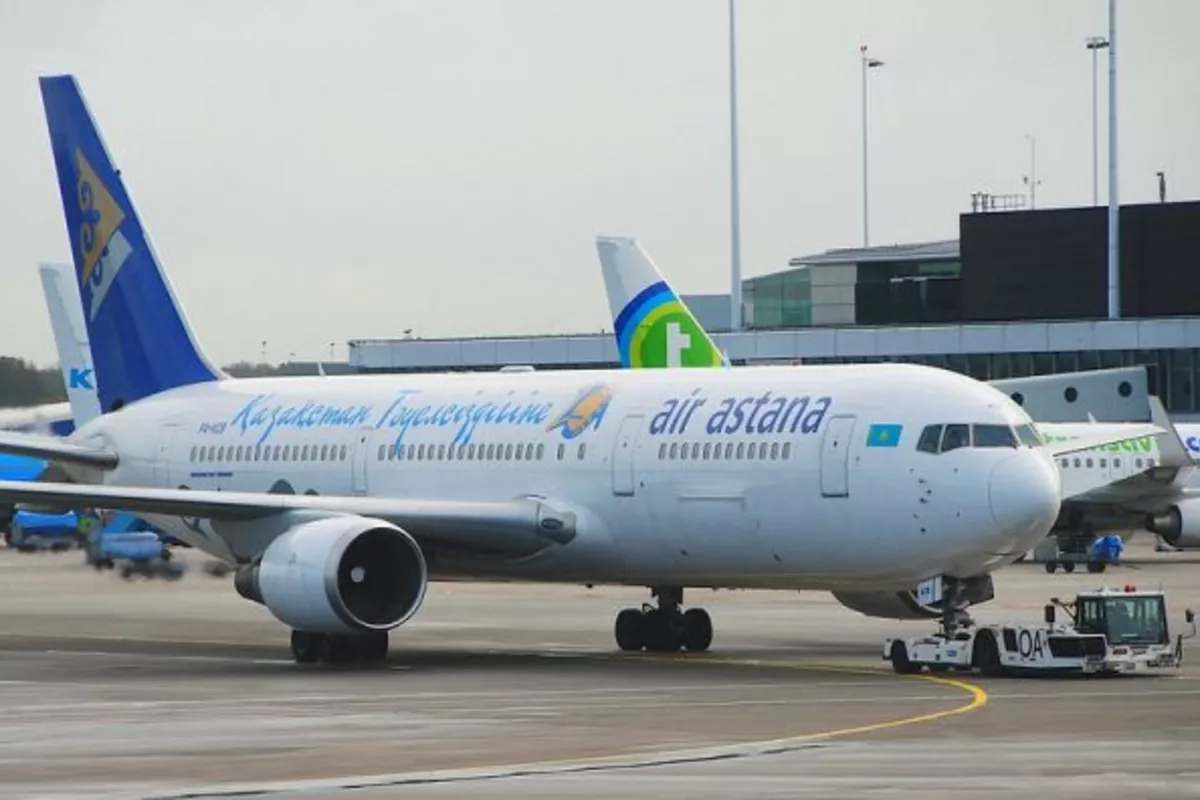
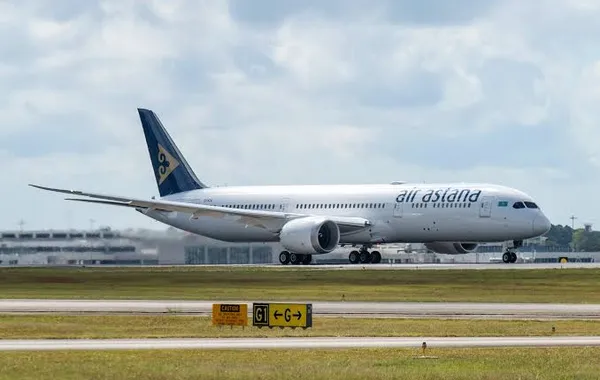
The aviation sector in Central Asia has undergone rapid transformation in recent years. Airlines such as Air Astana, Uzbekistan Airways, and FlyArystan have expanded routes, increased fleet capacity, and sought to capitalize on growing regional tourism and trade.
Yet the region's geography creates a unique challenge: Central Asia is heavily dependent on air transportation. Vast distances, limited rail connectivity across some international corridors, and landlocked geography make aviation an essential component of economic integration.
Higher fuel costs could affect airlines in several ways:
- Increased ticket prices for passengers;
- Reduced route profitability;
- Delayed fleet expansion plans;
- Lower frequencies on marginal routes;
- Reduced competitiveness against larger international carriers.
Many Central Asian airlines operate relatively young fleets, which improves fuel efficiency. However, even modern aircraft cannot fully offset a sudden increase in fuel expenses of the magnitude currently being observed.
The situation is further complicated by the closure of important regional airspaces and longer flight paths caused by geopolitical instability. Aircraft may need to fly longer routes to avoid conflict zones, increasing fuel consumption and operating costs simultaneously.
Impact on Growth Plans and Regional Connectivity
The timing of the fuel shock is particularly unfortunate because 2026 was expected to be a year of continued aviation growth across Central Asia.
Kazakhstan has been developing its position as a transit hub linking Europe and Asia. Uzbekistan has pursued an ambitious tourism strategy supported by expanding air connections. Meanwhile, smaller markets such as Kyrgyzstan and Tajikistan have sought to increase direct international services to reduce reliance on foreign carriers.
Rising fuel prices could slow these ambitions.
Low-cost carriers are likely to face the greatest pressure because their business models depend on maintaining very low operating costs. Even a modest increase in fuel expenses can significantly reduce margins on budget routes. Airlines may respond by introducing fuel surcharges, increasing baggage fees, or reducing promotional fares.
Business travel could remain relatively resilient, but leisure travel is more sensitive to price increases. If ticket prices rise substantially during the peak summer and winter travel seasons, passenger growth rates may weaken.
Cargo operations may also be affected. Central Asia has increasingly positioned itself as an alternative logistics corridor connecting China, Europe, and the Middle East. Higher aviation fuel costs increase air freight rates, potentially reducing the competitiveness of time-sensitive cargo services.
Another concern involves fleet modernization programs. Airlines across the region have invested heavily in new-generation aircraft such as the Airbus A320neo and Boeing 787 Dreamliner. If profitability declines, carriers may postpone future aircraft deliveries or financing arrangements, slowing modernization efforts.
Adapting to a New Energy Reality
Despite the challenges, Central Asian airlines are not without options.
The current crisis may accelerate efforts to improve fuel efficiency, optimize route planning, and invest in digital technologies that reduce operational costs. Airlines could also deepen cooperation through codeshare agreements and regional partnerships to maintain connectivity while limiting expenses.
Governments may play a role as well. Some countries could consider temporary support measures for strategically important routes or review airport and navigation fees to ease pressure on carriers. However, broad subsidies are unlikely to be sustainable if high fuel prices persist.
The longer-term lesson may be the importance of energy diversification and supply security within aviation. The current crisis demonstrates how dependent global airlines remain on a relatively concentrated network of jet fuel producers and refining centers. Disruptions in the Middle East, particularly around the Strait of Hormuz, can rapidly affect airlines thousands of kilometers away, including those operating in Central Asia.
Looking ahead, much will depend on geopolitical developments and the restoration of normal fuel supply chains. If tensions ease and refining margins return closer to historical averages, the impact on Central Asian carriers may be manageable. However, if elevated jet fuel prices persist throughout 2026, airlines across the region could face one of their most significant financial challenges since the pandemic era.
For Central Asia's aviation industry, the current fuel shock is more than a temporary cost increase. It is a test of resilience, financial discipline, and strategic planning. The carriers that successfully navigate this period will likely emerge stronger and more competitive, while those with limited financial flexibility may find their growth ambitions grounded by the realities of an increasingly volatile global energy market.